
DO Conca de Barberà
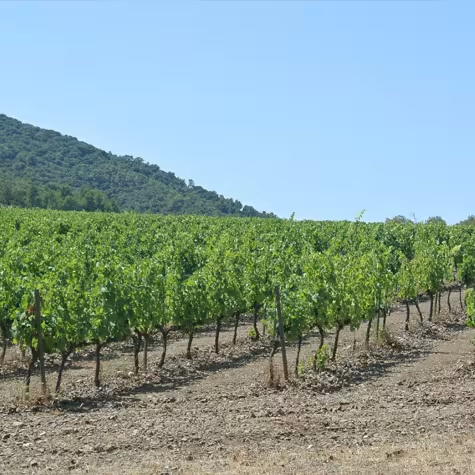
Why is it special?
The winemaking tradition of the region takes you back to the twelfth century, when the Cistercian monks of the abbey of Santa Maria de Poblet and the Templars of Barberà de la Conca passed on their knowledge and experiences on the cultivation of vines and winemaking to farmers. Today, the Monastery of Poblet, declared a World Heritage Site by UNESCO, continues to play a prominent role in various aspects such as its commitment to sustainability and wine tourism, along with the Ruta del Cister. The Vinum Conca brand to market wines and cavas produced in the area is more fashionable than ever!
What can be done about it?
A route through the DO must include the modernist wineries of the cooperatives of Barberà de la Conca, l'Espluga de Francolí, Montblanc, Pira, Rocafort de Queralt and Sarral. The capital of the region, Montblanc, is a medieval town that preserves a spectacular wall where the Regulatory Council of the DO is located, in one of the towers, which proposes the Route of the Wineries of the Conca de Barberà to enjoy the architecture, the vineyards and the wines of its wineries and, at the same time, discover various places of interest, such as the Monastery of Poblet, the Museum of Rural Life of L'Espluga, the cave of the Font Major de l'Espluga, the Templar castle of Barberà de la Conca and numerous villages, churches and hermitages.
Grapes with DNA :
DO Conca de Barberà
If we talk about the D.O. Conca de Barberà, we have to do it with the trepat, the native grape variety that is grown in the valleys of the Corb river, the Baixa Segarra and the Conca del Tremp. Trepat gives us light and fruity wines and exceptional rosé cavas.
REGULATORY COUNCIL OF THE CONCA DE BARBERÀ DESIGNATION OF ORIGIN
Torre del Portal de Sant Antoni - C/ de la Volta, 2
CP 43400, Montblanc (Comarca Conca de Barberà)
Tel. 977926905 Fax: 977926906
info@doconcadebarbera.com
www.doconcadebarbera.com
This winery produces wines of the Conca de Barberá DOC Denomination of Origin. Visits in Catalan, Spanish, English, French and Italian. Maximum 50 people per group. Visits from October to March must…
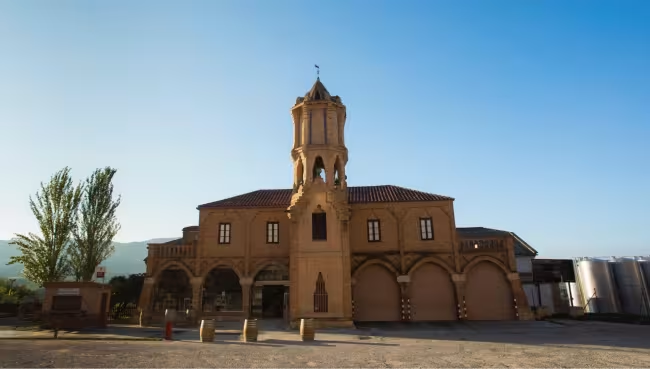
Pioneers and inspirers. The origin of our agricultural cooperativism. In the town that saw the birth of the first cooperative winery experience in all of Spain, Cèsar Martinell built the building…
The wine cellar of the L'Espluga de Francolí cooperative was designed by Lluís Domènech i Montaner, but the building was built by his son Pere Domènech i Roure in 1913. The Catalan writer christened…
This winery produces wine and cava under the Conca de Barberà Designation of Origin and the Cava Designation of Origin. Visits in Catalan, Spanish, English, French and German. Maximum 20 people per…
This winery produces wines of the Conca de Barberá DOC Denomination of Origin. Visits in Catalan, Spanish, English and French. Maximum 20 people per group. Visits must be arranged in advance.
This winery produces wines of the Conca de Barberá DOC Denomination of Origin. Visits in Catalan, Spanish, English, French and Italian. Maximum 20 people per group.
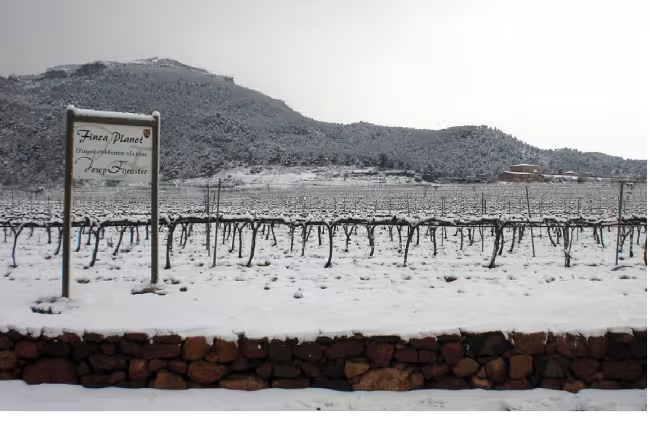
This winery produces wines of the Conca de Barberá DOC Denomination of Origin. Visits in Catalan, Spanish, English and French. Maximum 20 people per group.
This winery produces wines of the Conca de Barberá DOC Denomination of Origin. Visits in Catalan, Spanish and English. Maximum 30 people per group.
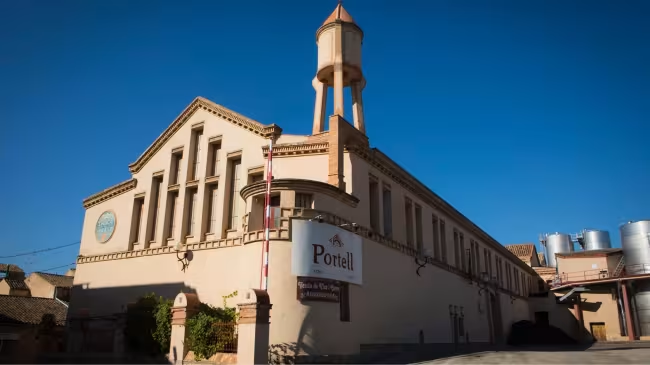
Designed by the illustrious architect Pere Domènech i Roura and built in 1914, the winery is the fruit of the local farmers' collective effort to raise a rational building of great architectural…
This winery produces wines of the Conca de Barberá DOC Denomination of Origin. Visits in Catalan, Spanish and English. Maximum 20 people per group.
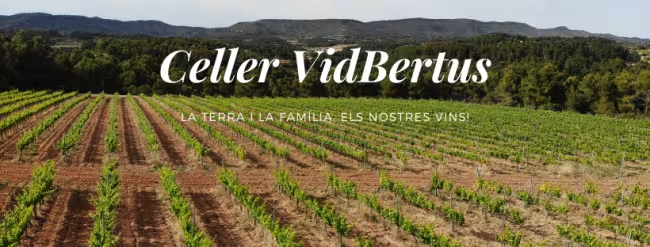
This winery produces wine under the Conca de Barberà Designation of Origin. Visits in Catalan, Spanish and English. Minimum 2 people. Advance booking required.
This winery produces wines of Cava DOC Denomination of Origin. Visits in Catalan and Spanish. Maximum 50 people per group. Visits must always be arranged in advance.
This winery produces wines of the Conca de Barberá DOC Denomination of Origin. Visits in Catalan, Spanish and English. Maximum 10 people per group. Visits must be arranged in advance. It is located…
This winery produces wines of the Conca de Barberá DOC Denomination of Origin. Visits in Catalan, Spanish and English. Maximum 20 people per group.
This winery produces wines of the Conca de Barberá DOC Denomination of Origin. Visits in Catalan, Spanish and English. There is no maximum of people per group. Visits must be arranged in advanced.
This winery produces wines of the Conca de Barberá DOC Denomination of Origin. Visits in Catalan, Spanish, English and French. Maximum 10 people per group.
This winery produces wines of the Conca de Barberá DOC Denomination of Origin. Visits in Catalan, Spanish and English. Maximum 20 people per group.
This winery produces wines of the Conca de Barberá DOC Denomination of Origin. Visits in Catalan and Spanish. Maximum 20 people per group. Visits must be arranged in advance.
This winery produces wines of the Conca de Barberá DOC Denomination of Origin. Visits in Catalan, Spanish and English. Maximum 8 people per group. Visits must be arranged in advance.
This winery produces wines of the Conca de Barberá DOC Denomination of Origin. Visits in Catalan, Spanish, English and French. Maximum 15 people per group. Visits must be arranged in advance.
This winery produces wine and cava under the Conca de Barberà Designation of Origin and the Cava Designation of Origin. Visits in Catalan, Spanish and English. Maximum 60 people per group.
This winery produces wine and cava under the Conca de Barberà Designation of Origin and the Cava Designation of Origin. Visits in Catalan, Spanish and English. Maximum 15 people per group.