
Museums and interpretation centres
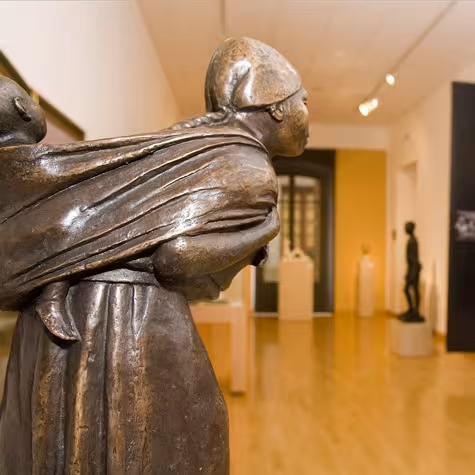
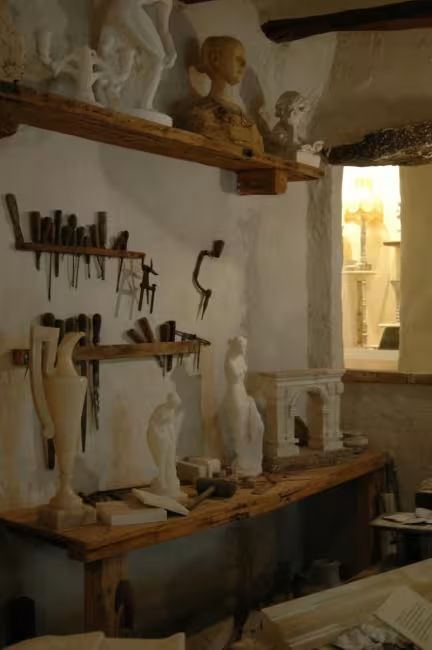
The Alabaster Museum has several spaces through which visitors will come to understand the craft of the alabaster sculptor, alabaster being a mineral linked to the town of Sarral, where several…
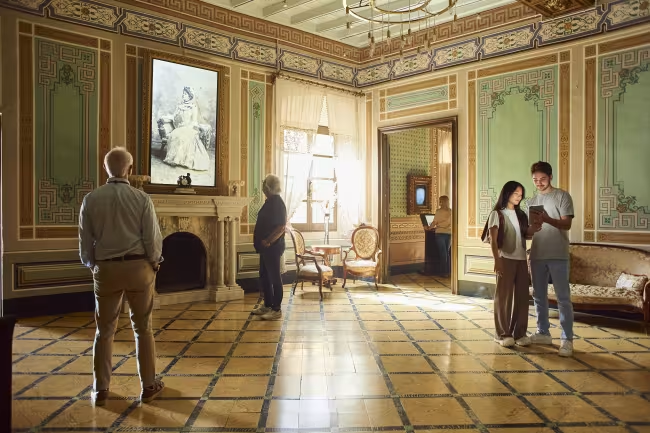
The museum is housed in the manor house of Ca Batistó, in the middle of the old town among gateways and narrow lanes. In the grander rooms you can take a journey into the private life of a bourgeois…
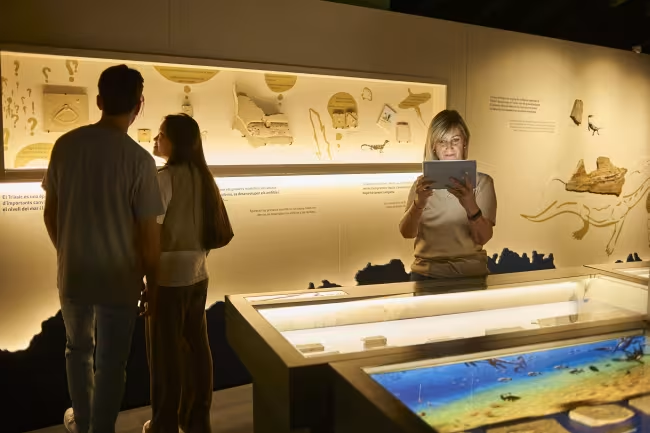
Guided tour of the Museum's exhibitions: Triassic: An Explosion of Life and Ca Batistó: Bourgeois Modernity The exhibition Triassic: An Explosion of Life interprets all the fossil remains from the…
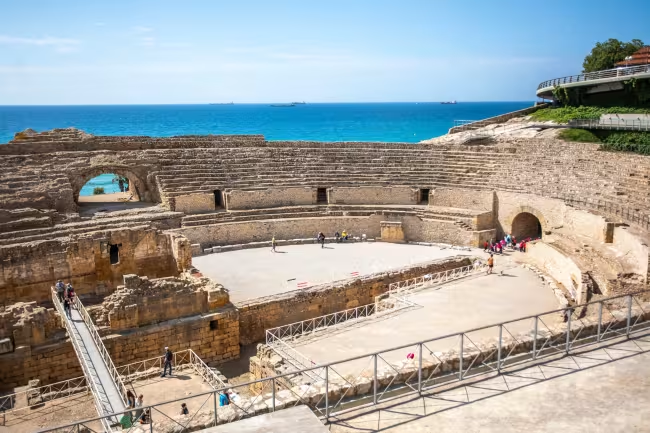
An elliptical building constructed in the 2nd century AD, where gladiator fights and wild beast hunts were staged and where those condemned to death were executed.
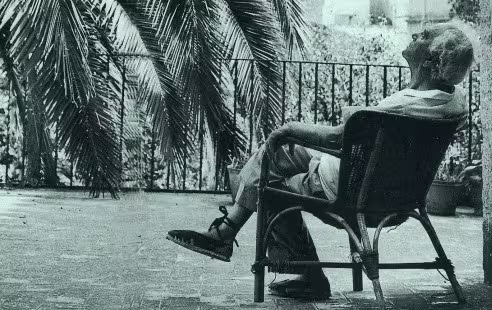
The Apel·les Fenosa Foundation presents original sculptures in terracotta and plaster and a selection of the artist's monumental bronzes.
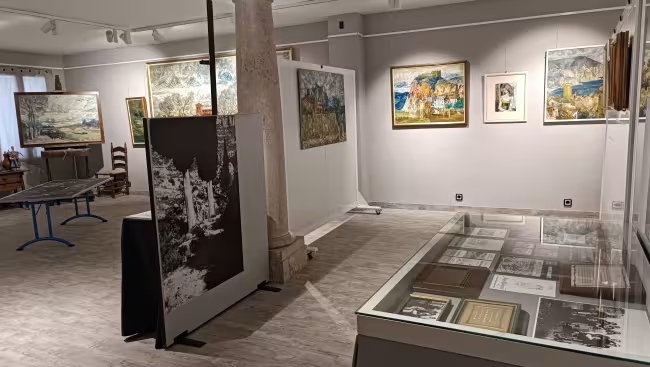
The Morató Aragonès Archive (AMA), a recognised site of cultural interest in the Priorat region opened in 2016, is the reference centre for the study of the work of the painter Josep Maria Morató…
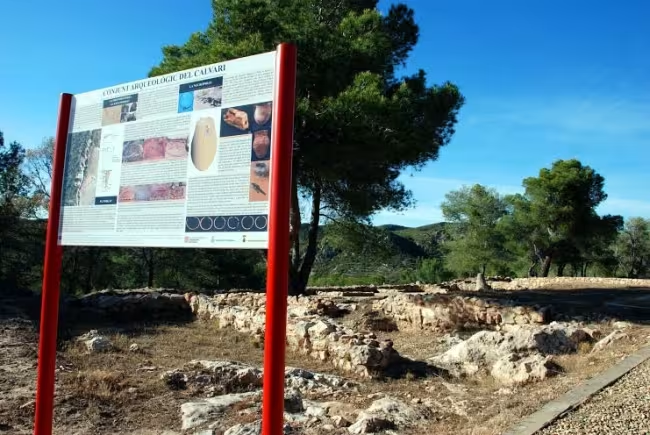
The El Calvari site (7th-6th centuries BC) is very close to the village of El Molar, on a small rise that gives good control of its surroundings. Some of its structures are still hidden, as it has…
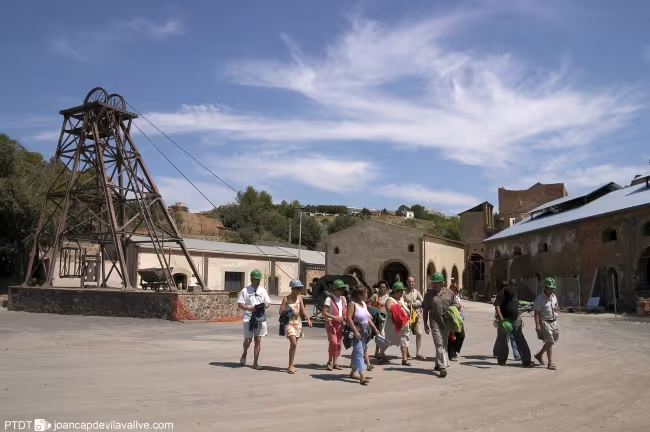
The Bellmunt del Priorat Mining Museum is an interpretation centre for lead mining, whose aim is to preserve and promote heritage elements related to mining. The museum is located in the Eugènia…
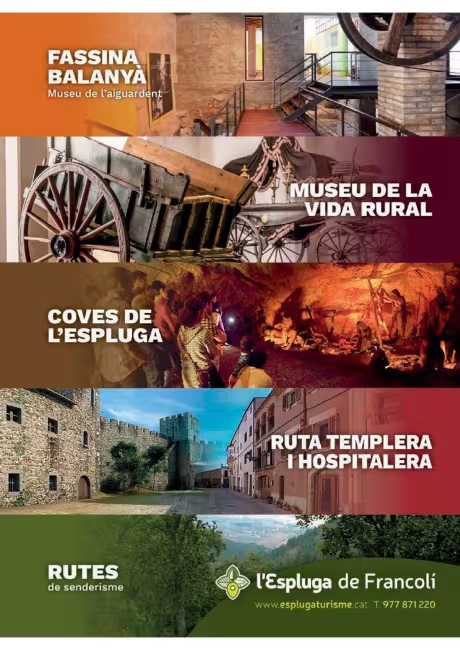
To make the most of your visits in L'Espluga de Francolí, take advantage of the combined ticket that lets you visit the Fassina Balanyà Museum and the Terra Museum for €6. If you prefer, you can also…
The Iberian Citadel of Calafell is one of the most unique archaeological sites in our country. Its in situ reconstruction makes it an ideal place to learn about and understand how the Iberians lived.…
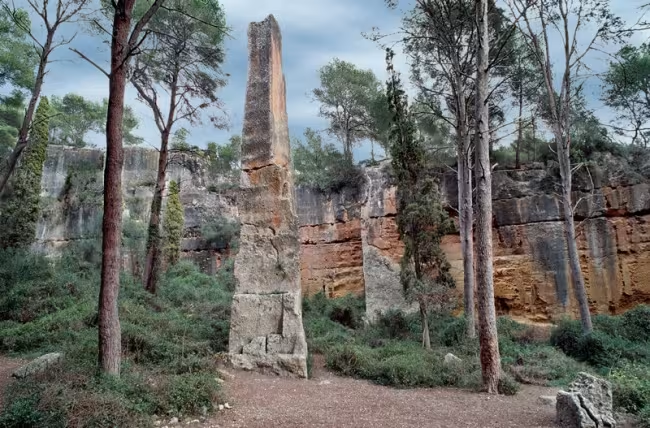
Thanks to its size, the Mèdol Quarry is the most important of the ten or so quarries around Tarraco, and an estimated 50,000 cubic metres of stone were extracted from it for the construction of…
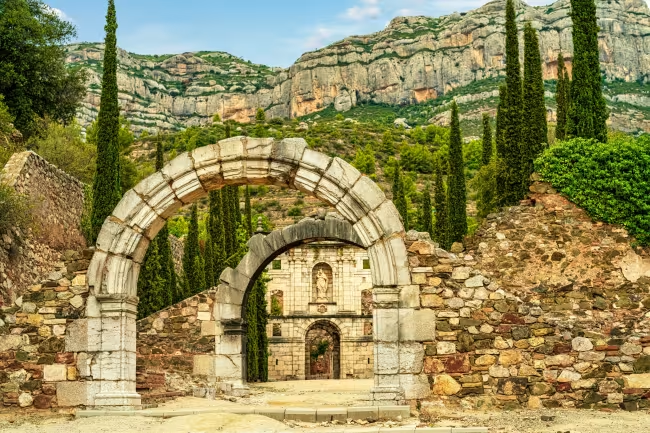
The Escaladei Charterhouse was founded in 1194 when King Alfonso I granted these lands to the Carthusian order, given the need to repopulate the territory. The order gained importance and even…
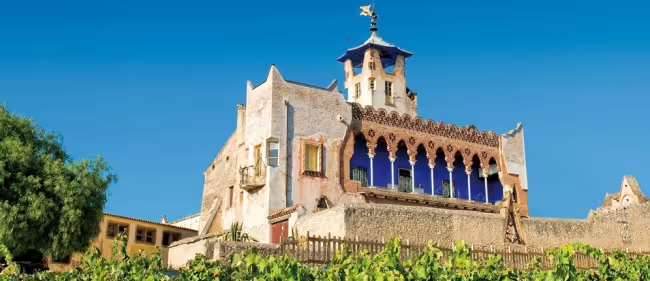
The Bofarull House is a stately home built before the 15th century and renovated between 1913 and 1933 by Josep M. Jujol, the Catalan draughtsman, designer, painter and outstanding Modernist…
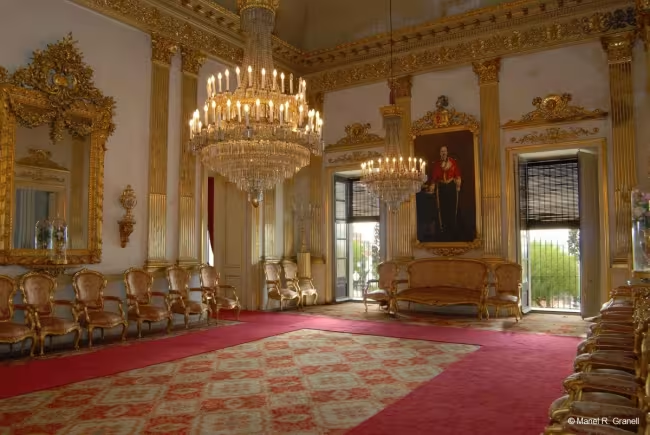
This was the stately home of the Canals, a family with noble titles related to other distinguished families in the city. The first reference to them as owners of the house is linked to the…
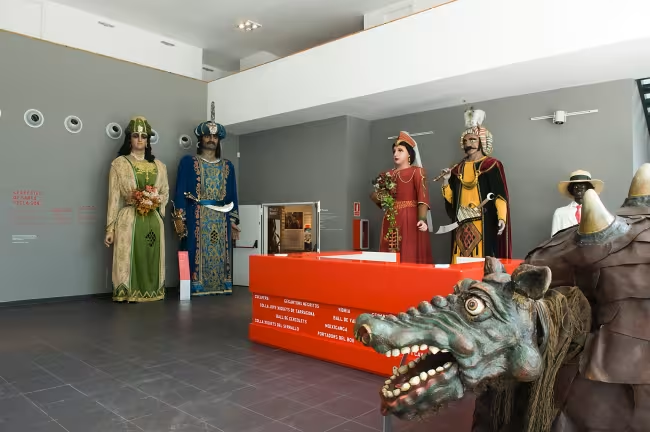
Tarragona’s Casa de la Festa is a cultural facility housing the heritage figures of the city’s folklore and festivals. The ritual sequence of the Santa Tecla Festival is also explained.
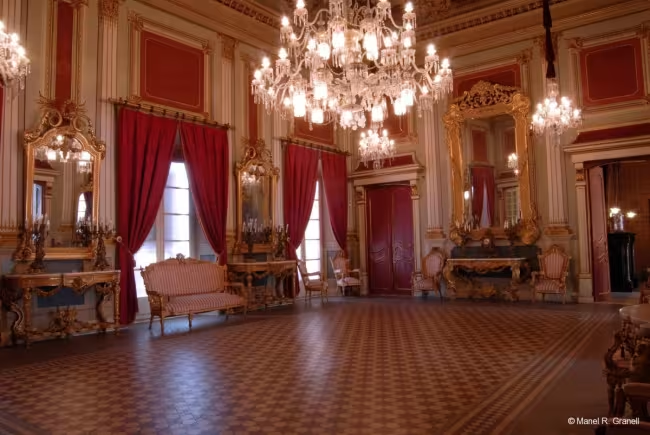
The house of the Castellarnau family, one of the most influential families in the city in the Middle Ages. It was built in the 15th century and has been altered several times since. It is now…
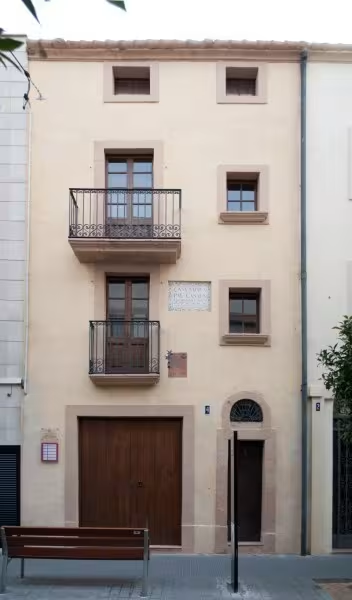
Pau Casals (1876-1973) is acknowledged as one of the greatest cellists of all time and a magnificent conductor, always active in defence of peace and the freedom of peoples.
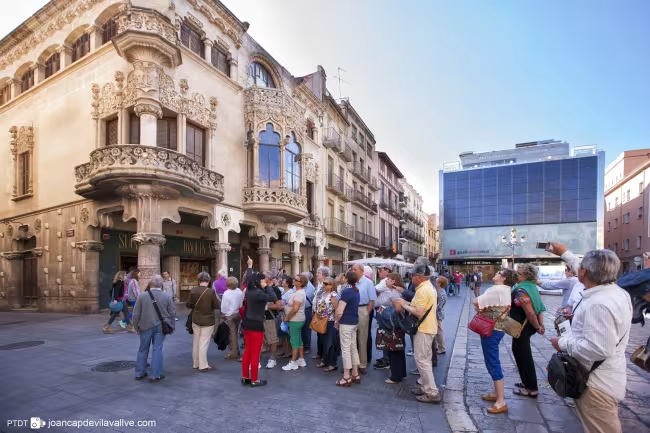
Designed by the architect Lluís Domènech i Montaner, Casa Navàs is, for its uniqueness, one of the finest examples of Modernisme at European level.
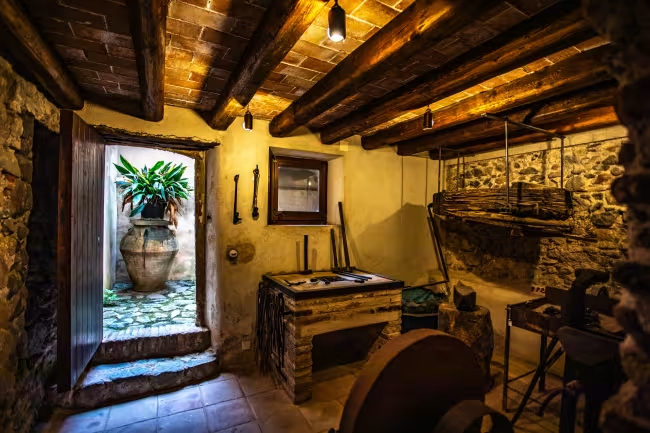
This ancestral home was built in the 17th century and has been restored in the style of the period so that visitors can discover the origins of Gaudí's family. Gaudí was one of the greatest…
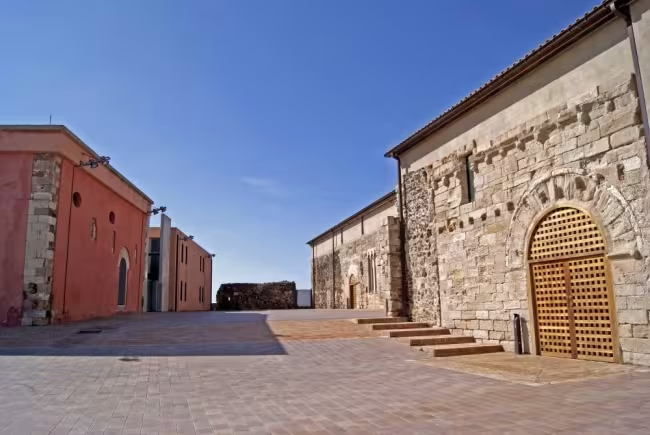
The Regional Museum of Falset Castle is a new museum space where visitors can discover the history and culture of the region in an entertaining, immersive and interactive way. A carefully curated…
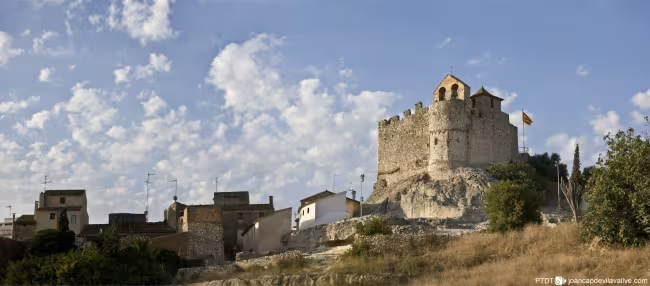
This walled castle was built in the first half of the 11th century as a symbol of the ousting of the Saracens from these lands. Around the middle of the 17th century part of the walls and the manor…
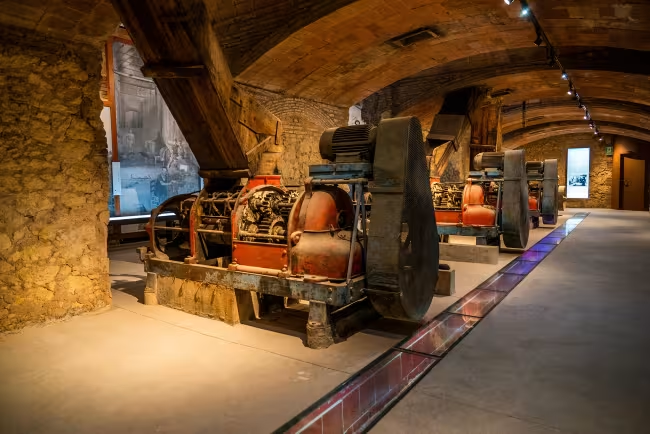
The new Celler (winery) is a 3,150 m2 space that reflects the history of the town and its surroundings, with Noucentista architecture as its main feature. It has several spaces that make it highly…
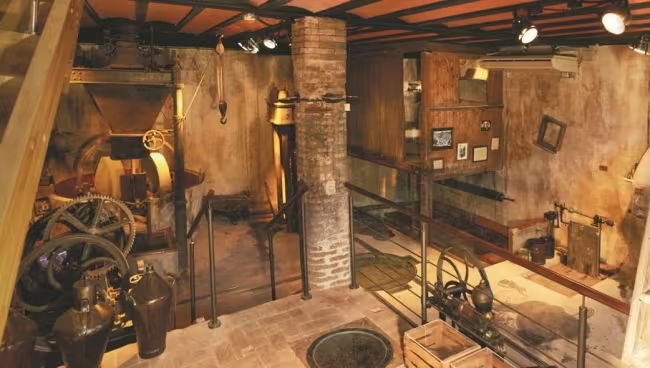
An interpretation centre for discovering the natural heritage and the culture of olive oil. On the upper floor are the Montsant Natural Park information point, a working olive-washing machine and a…
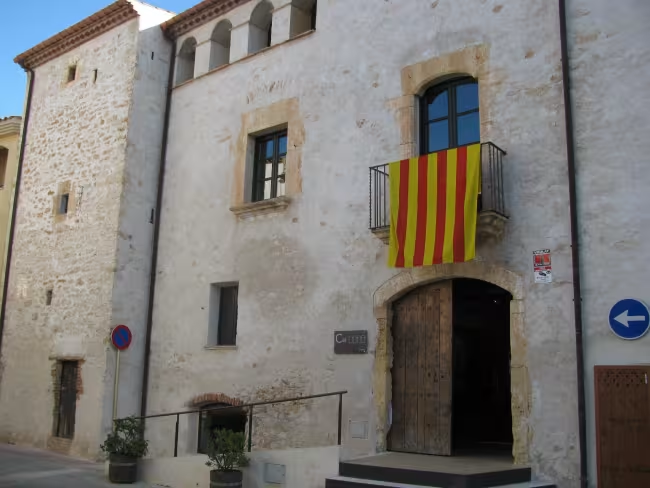
The Creixell Interpretation Centre is in an old 14th-century watchtower, rectangular in plan and 15 metres high, attached to the surrounding houses and known as Cal Cabaler. Now restored, it also…
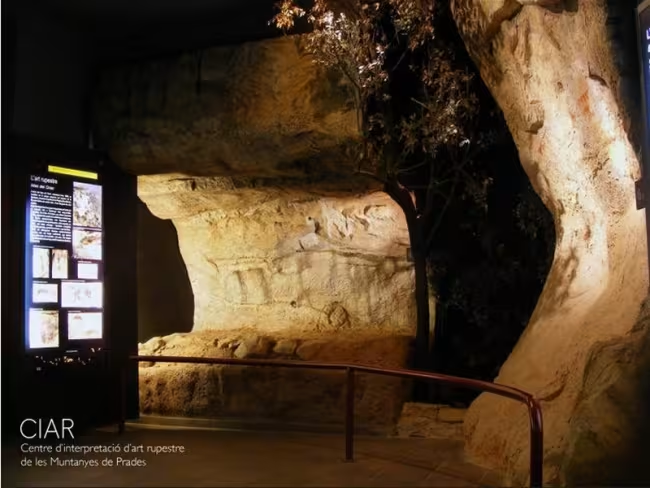
This interpretation centre lets you discover and understand the rock art of the Muntanyes de Prades area. The set of paintings, of which life-size reproductions can be seen, dates from the end of…
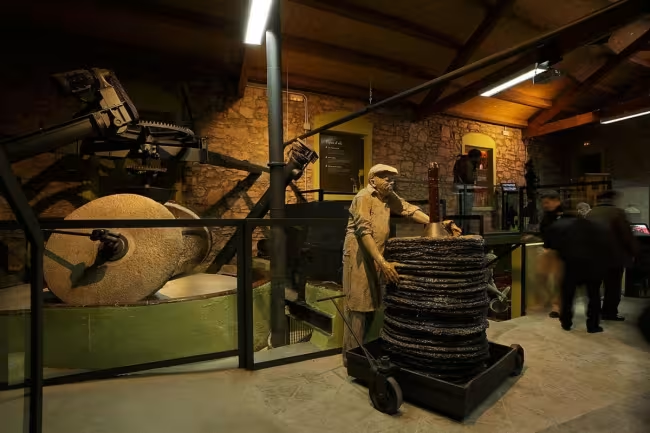
The old mill of Vandellòs has been restored and turned into an interpretation centre devoted to olive oil, a space that reveals the world of oil through audiovisual panels, hyper-realistic resin…
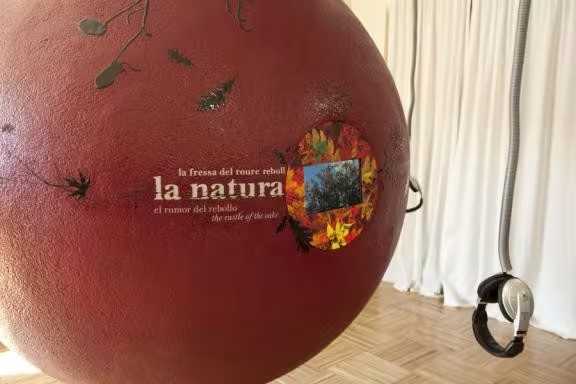
Through audiovisuals and interactive elements, and always with all 5 senses on alert, visitors can get to know the Muntanyes de Prades natural area, a landscape full of enchanting corners to…
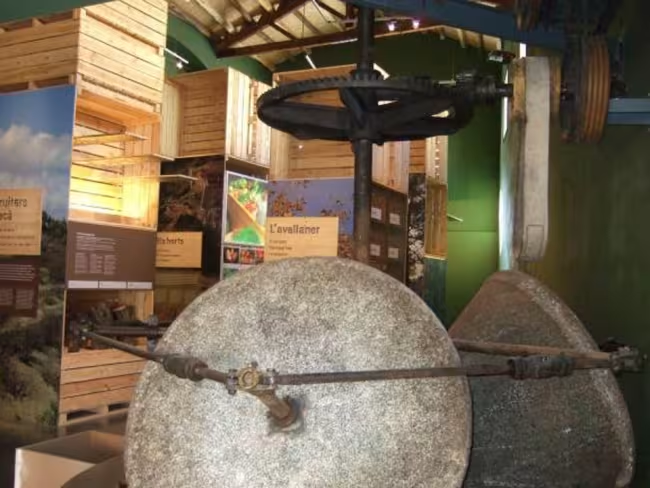
The Interpretation Centre of the Fruits of the Landscape is housed in the town's old cooperative building and mill. A visit lets you discover the landscape, history and traditions of the people of…
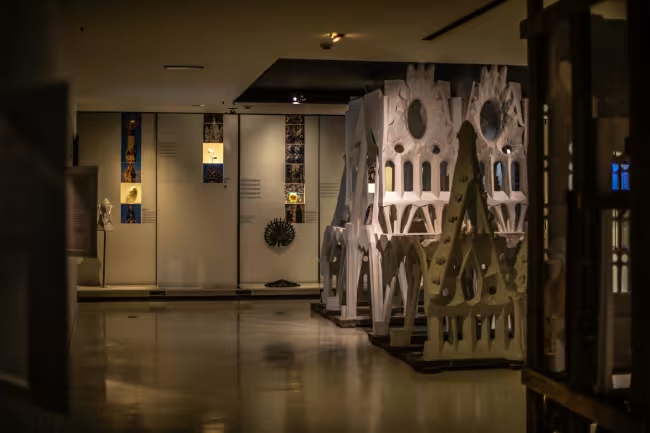
The Gaudí Centre is Reus's tribute to its most universal son and the only interpretation centre on the life and work of Gaudí.
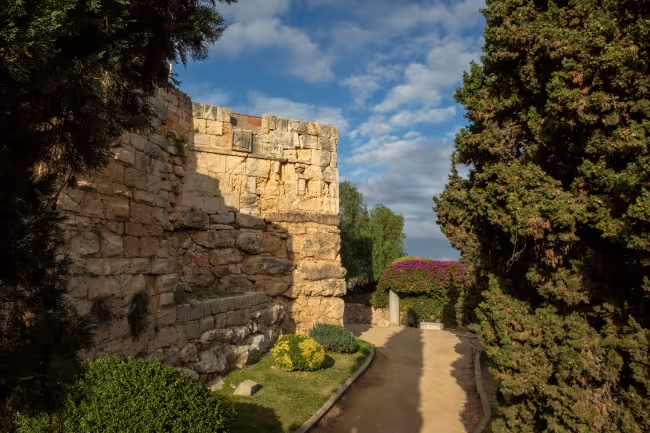
Originally made of wood, the stone wall was built in the 2nd century BC and was the first great architectural work of Tarraco. It is now the oldest Roman-built structure preserved outside Italy.
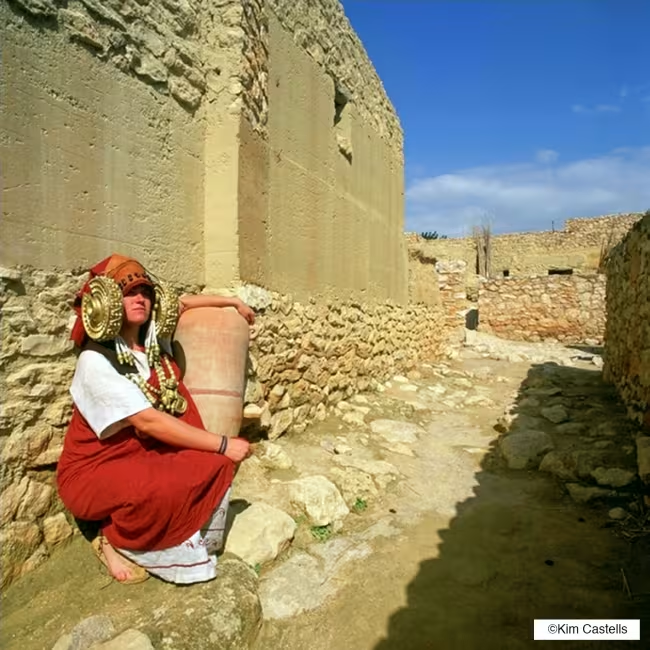
The Iberian Citadel is the name given to the site of the Iberian settlement that thrived in Calafell between the 4th century BC and the 1st century BC. At that time the settlement, which lived from…
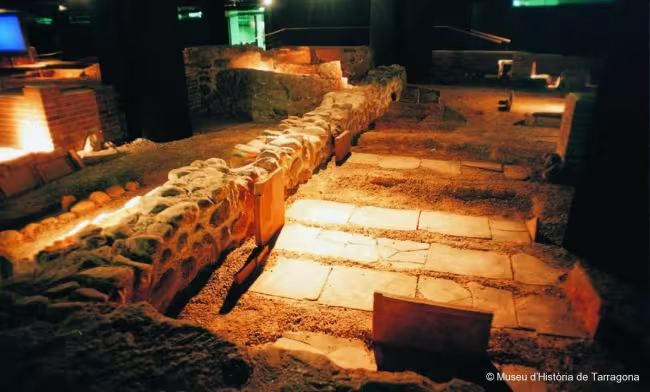
Work on the construction of a new shopping centre revealed the remains of a 4th-century suburban villa and a 5th-century Christian basilica with more than 160 tombs. Archaeologists believe it was the…
To bring children and young people closer to country life, this museum has more than 5,000 pieces divided into three spaces: a wine museum, a cart museum and an olive oil museum.
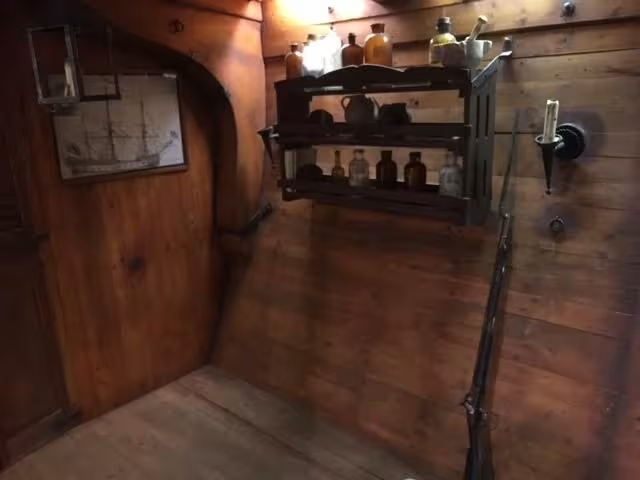
A museum devoted to Doctor Pere Virgili (1699-1776), born in the town and considered the father of surgery in Spain. It also houses the municipal archive and a collection of 18th-century farm tools…
Right on the seafront, the Pau Casals Villa Museum, part of the Landscape of Geniuses Route, takes us through audiovisuals and music into the home, life and work of Pau Casals. The museum offers a…
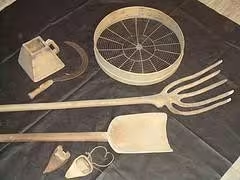
The “Grandfather Museum” in Duesaigües is a private collection of farming implements with an explanation of how country people lived and how they worked from sunrise to sunset until not very long…
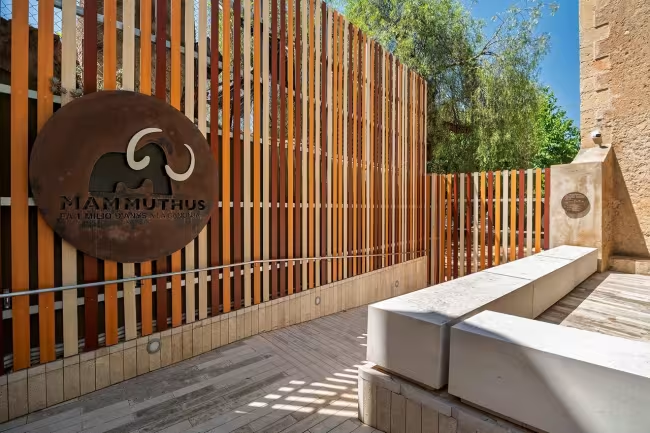
Mammuthus is an archaeological interpretation center at the Barranc de la Boella Site. It is a cultural and interactive experience where you can learn about the heritage of La Canonja. An important…
Here visitors can discover how building techniques and tools have evolved over the years from the traditional rural dry stone structures to the most modern architecture. The visit includes an…
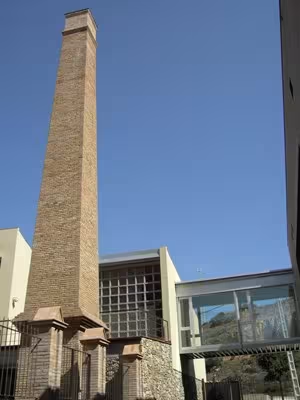
Fassina Balanyà was a family-run distillery that began making brandy in the 1830s. During the visit you will learn about the production process, the different products they made and how they were…
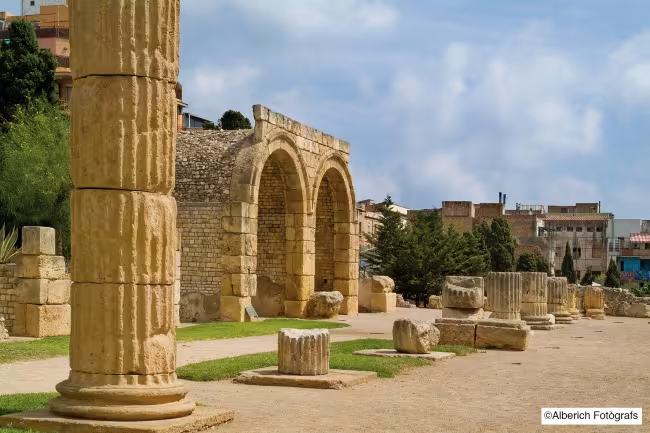
The Local Forum or Forum of the Colonia was the religious and social centre of the city built around 30 BC. Only part of its basilica and the remains of some streets and houses have been preserved.…
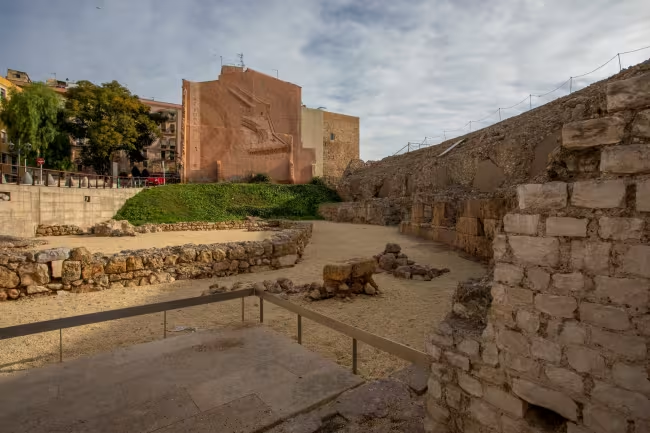
The Roman Circus of Tarragona was built in the 1st century for chariot and horse racing and is estimated to have held some 30,000 spectators. It was built inside the city, between the Via Augusta and…
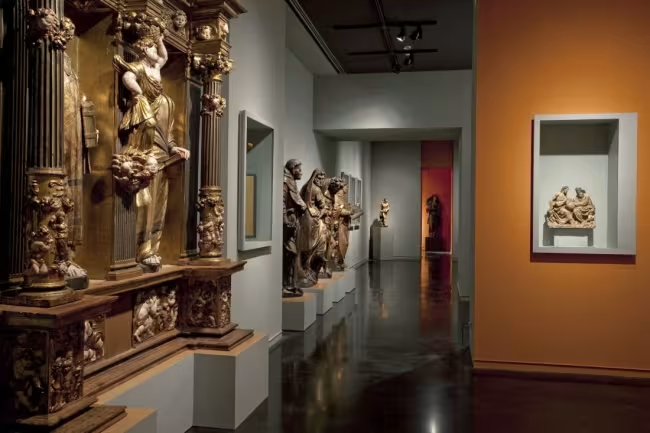
An exhibition of the religious-themed paintings and sculptures donated by the sculptor and collector Frederic Marès (1893-1991) and other works from the Conca de Barberà region. This space belongs to…
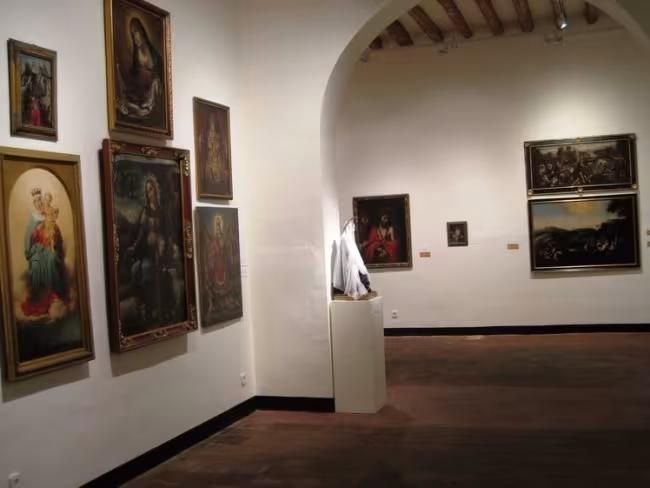
Exhibited in a restored 19th-century nunnery, the collection consists of religious paintings from the 17th, 18th and 19th centuries.
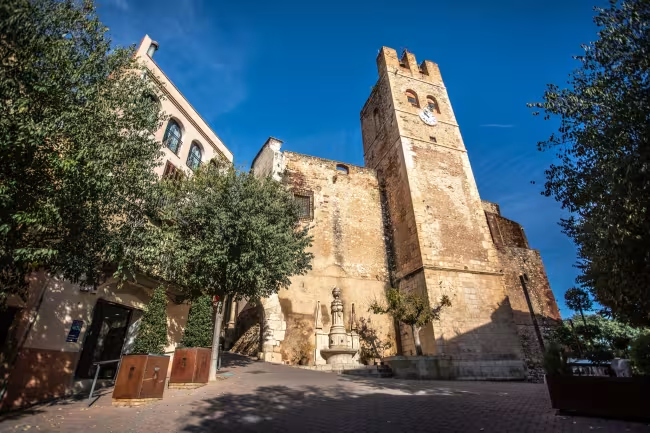
Become an artist for a day and discover, through the eyes of Joan Miró, the history of Mont-roig and the mark the village left on his work, through reproductions of his paintings and the discovery of…
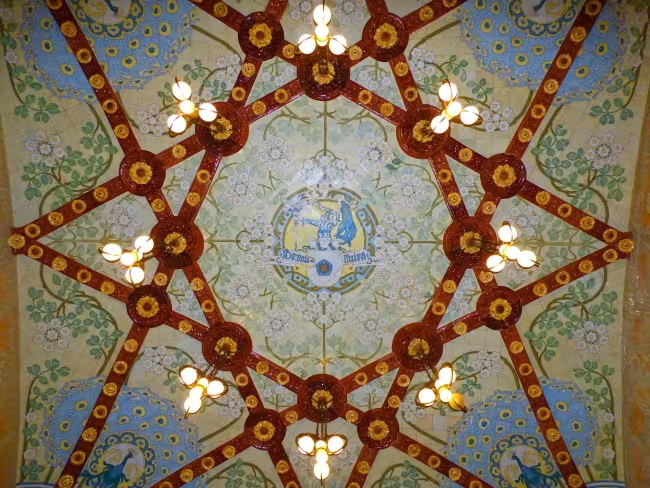
In 1898 construction began on the Pere Mata psychiatric institute, one of the great projects of the architect Lluís Domènech i Montaner, which marked the start of the brilliant Modernista period that…
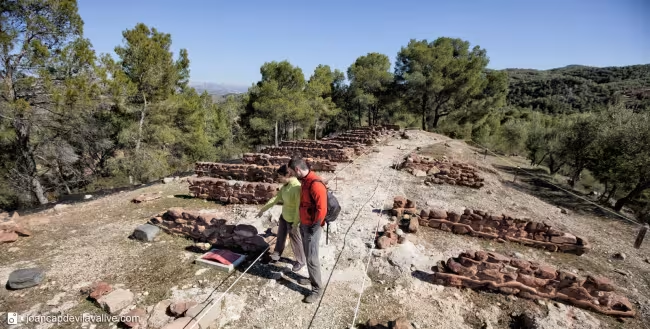
Puig Roig is an archaeological site within the municipality of El Masroig, standing on a strategic hill in the middle of the forest with views over the River Siurana and Montsant. The site, dated…
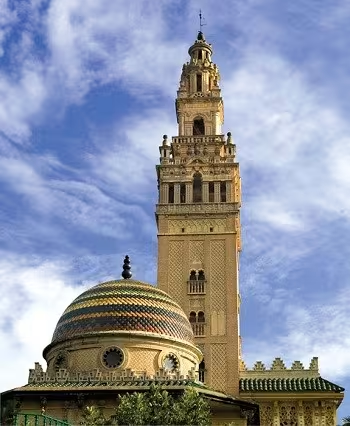
Joan Roquer i Marí and Candelaria Negravernis were so enamoured of the caliphate architecture they saw on their honeymoon in Andalusia that they decided to reproduce it in their hometown of L'Arboç.…
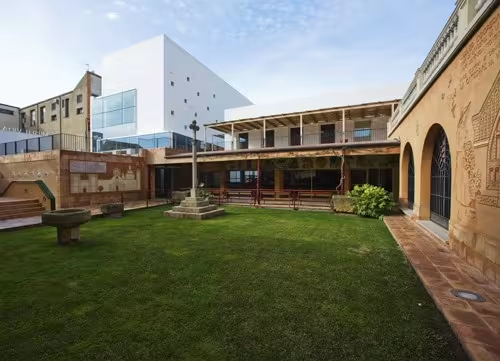
The Terra Museum tells you about the traditional way of life in the villages of Catalonia and especially that of the country folk who lived in the rural areas. The museum’s exhibits are related to…
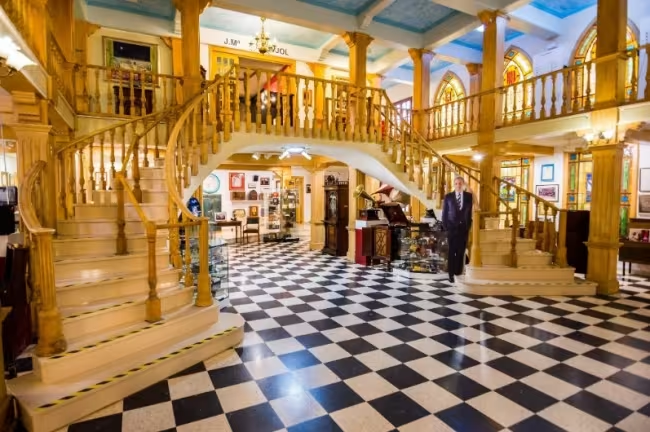
The "Luis del Olmo" Radio Museum is housed in the Roca Foradada Civic Centre, on the Roc de Sant Gaietà. The Roca Foradada building was originally built as a yacht club, but over time, to prevent its…
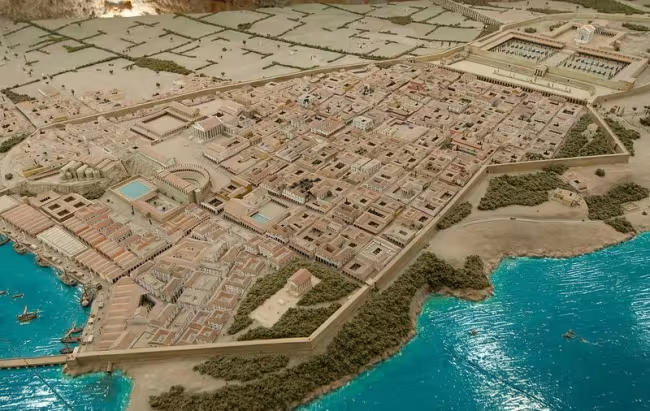
A magnificent scale model of Tarraco in the 2nd century BC, its period of maximum splendour. The model belongs to the Tarragona Museum of History.
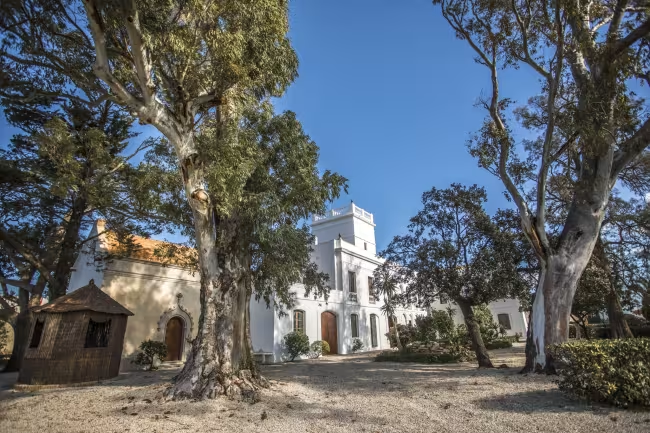
The first time Joan Miró stayed at Mas Miró, in Mont-roig del Camp, he was 18 and had gone there to recover from an illness. From that stay on, the Catalan genius forged an artistic and emotional…
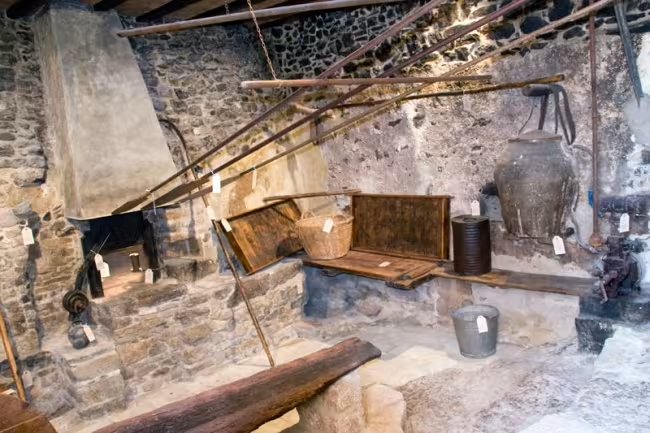
Located on the ground floor of the Town Hall, the communal oven of Capafonts was part of a larger complex built in the 13th century. It still preserves the structure and elements used until it closed…
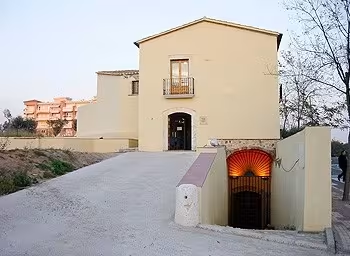
The Molí de les Tres Eres, once a water-powered flour mill, is now the main branch of the Cambrils Museum of History. Its permanent exhibitions can be visited all year round: “Ancient Settlement in…
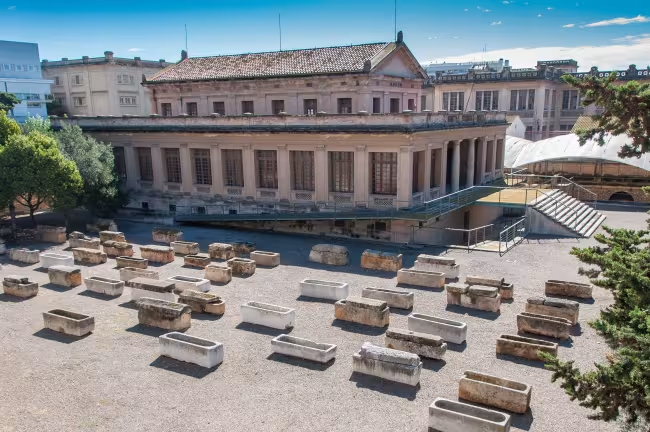
The Paleochristian Necropolis of Tarragona is a late Roman burial complex dating from the mid-3rd century AD, which remained in use until the 5th century and was discovered in 1923 during the…
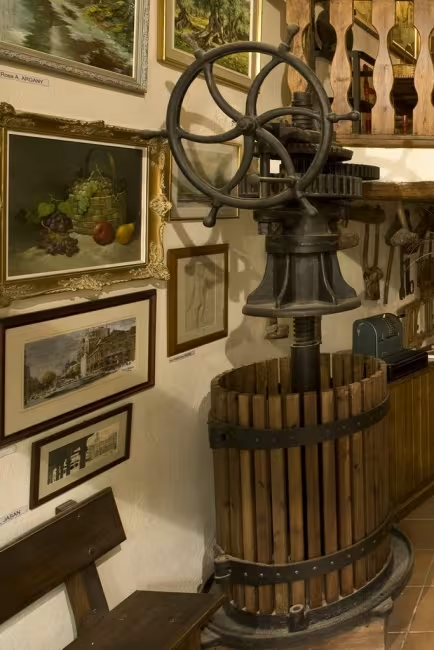
This museum houses the collection of objects of all kinds that the Peris-Aragonès couple gathered during their travels around the world.
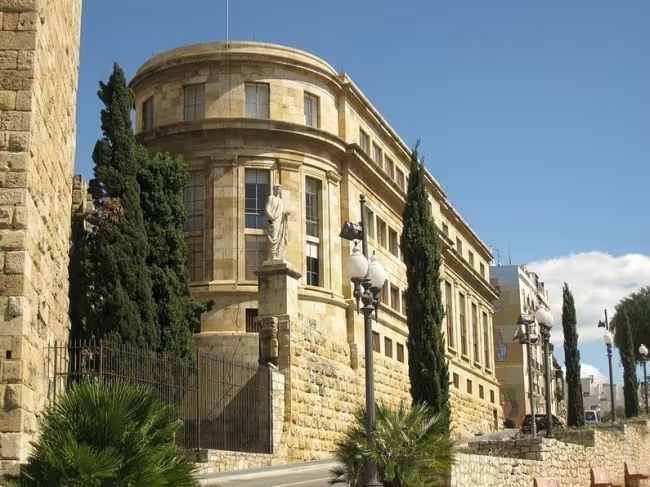
The Museum houses many of the Roman-era objects and furnishings recovered over the last 150 years as a result of the building of the modern port and the extraordinary urban growth of the city of…
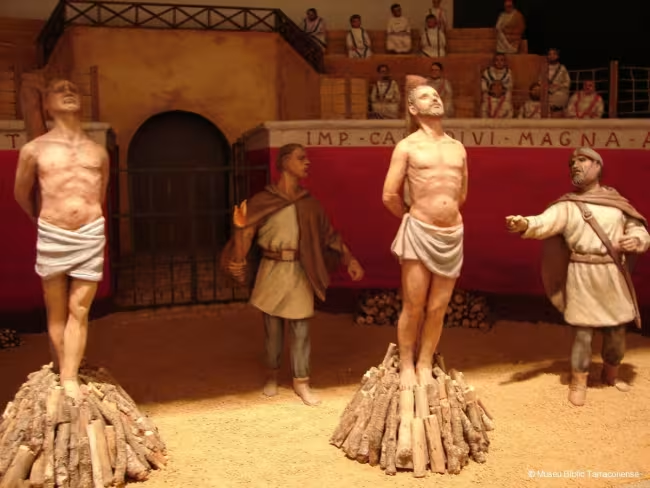
The Tarragona Biblical Museum was founded in 1930 by Dr Josep Vallés and consisted of archaeological pieces, maps, reproductions and religious objects related to the world of the Bible that he…
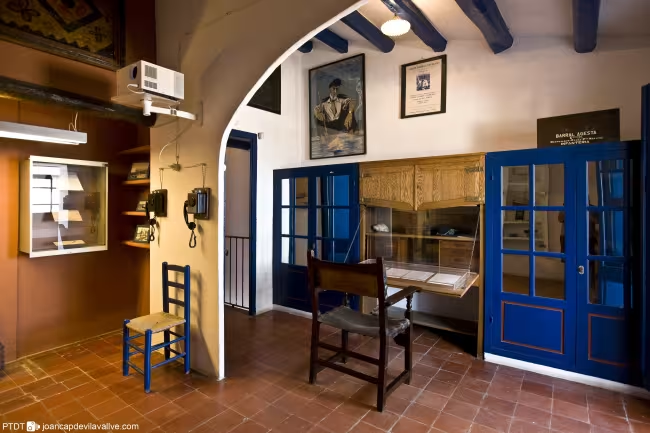
The Casa Barral Museum is an early 20th-century fisherman’s house in which the publisher, writer and politician Carlos Barral (Barcelona 1928-1989) lived. Visitors can see Barral’s documental and…
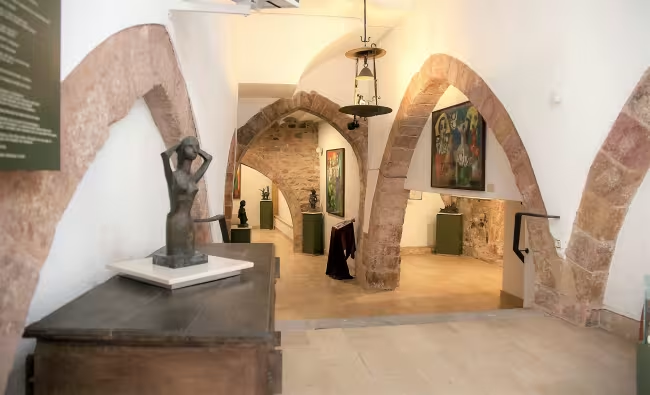
The exhibition consists mainly of the most important pictorial, ceramic and sculptural works of the artist Maties Palau Ferré (1921-2000), as well as some sketches from his early period and Indian…
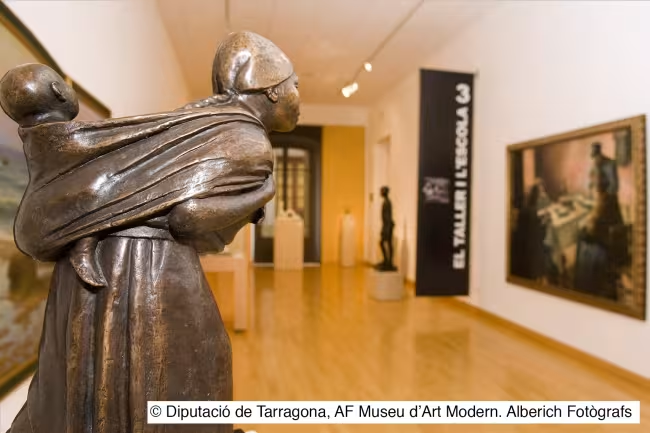
The Museum of Modern Art was established by the Tarragona Provincial Government to promote modern and contemporary art and preserve and exhibit its own artistic heritage. The facilities include an…
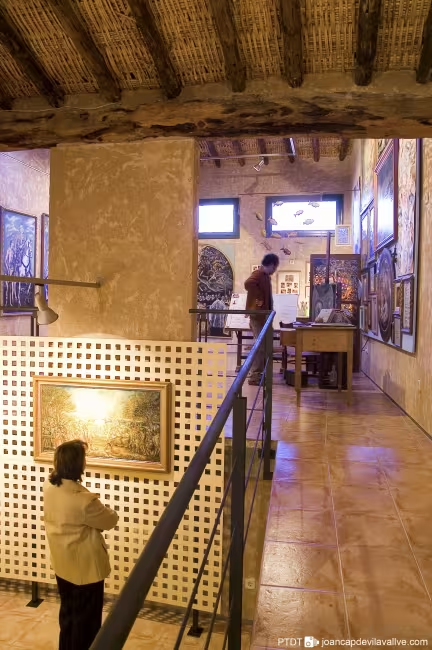
The exhibition contains original works by Miquel Montagud Borja (1897-1984), an artist who retired to this village in the beautiful countryside of Priorat county where he continued to paint. There…
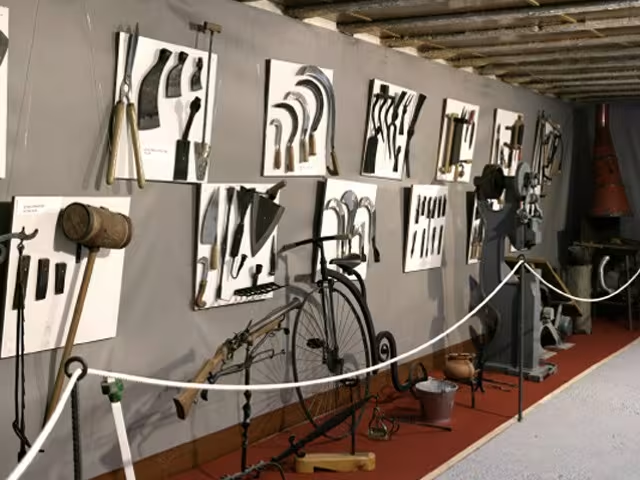
The museum takes you on a journey through the history of working the land during the last century. The different areas have more than 5,000 exhibits including examples of the tools, implements and…
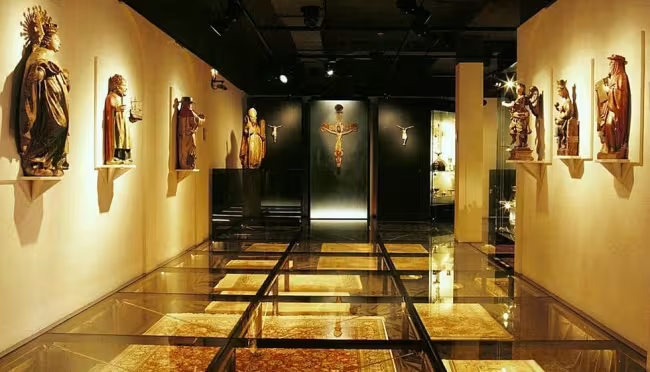
The Deu Museum exhibits the private art collection built up by the notary Antoni Deu Font during his lifetime. It contains more than 2,800 pieces, including carvings, carpets, sculptures, paintings…
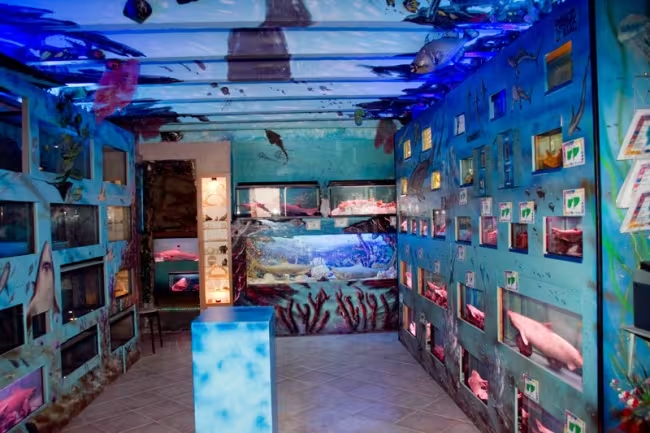
A thematic museum devoted to sharks showing more than a hundred different species with very varied features from all over the world. The two-metre grey shark caught off Tarragona’s Miracle Beach in…
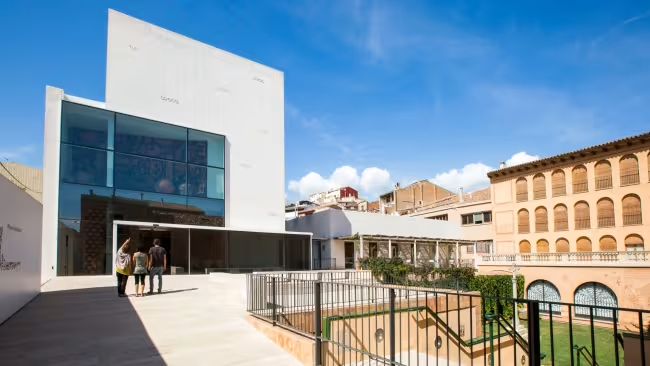
The Terra Museum is a museum space that explores the traditional life of the villages of Catalonia, and in particular that of the farming people who lived in rural areas.
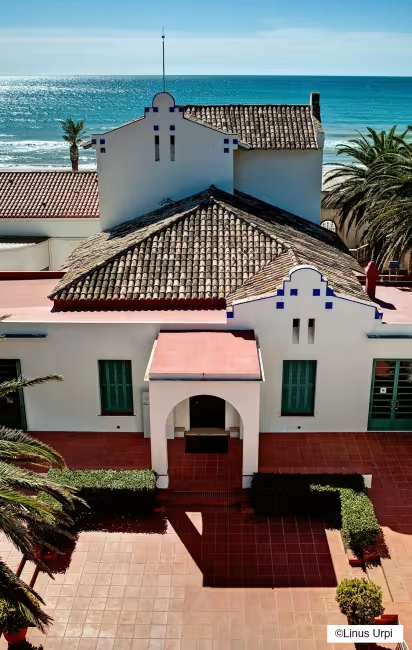
Villa Casals is the summer house that the cellist Pau Casals (1876-1973) had built in 1910 on the seafront at Sant Salvador in El Vendrell, the town where he was born. He spent some summers here and…
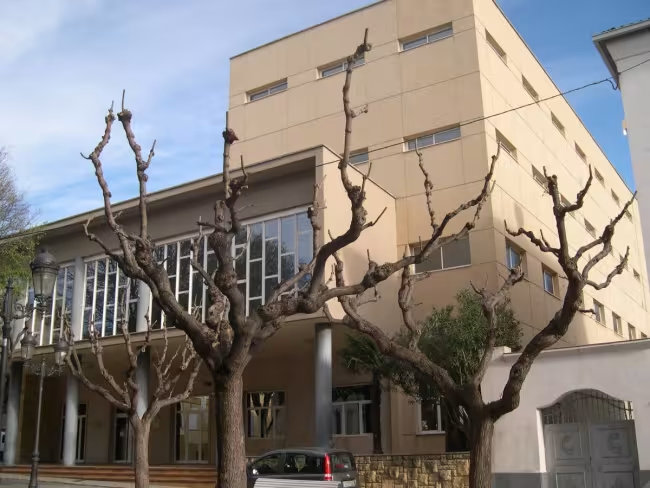
Valls Museum has more than a thousand items, including paintings, sculptures, drawings, engravings, jewellery and photographs, by some of the most important Catalan artists of the past 140 years, as…
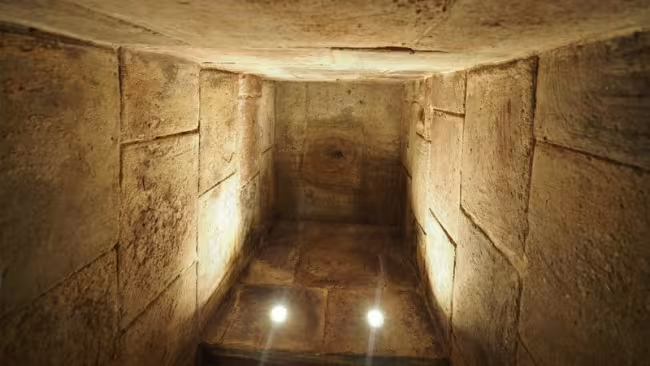
The “Molí de l'Oli Solé” is a museum containing all the items, tools and machinery used by the three previous generations of the olive mill’s owners, the Solé family, to produce olive oil.
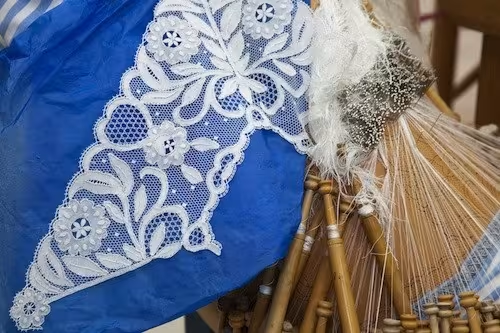
Bobbin lace making is one of the most traditional crafts in the town of L'Arboç. Today the Bobbin Lace Museum has a collection of more than 500 examples of this handicraft, including bedding sets…
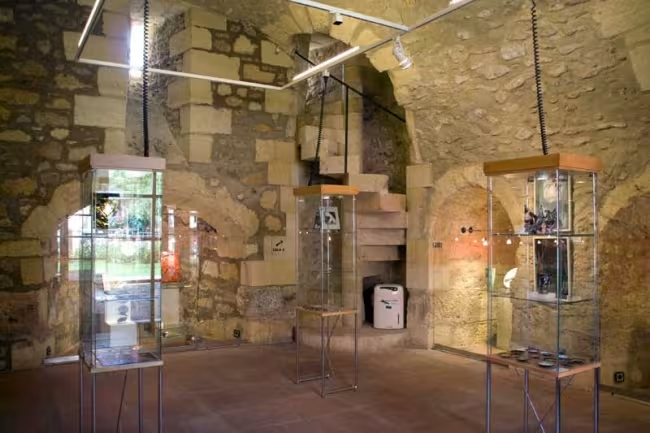
The Contemporary Enamel Museum is housed in the 16th-century watchtower known as the Torre Vella (Old Tower). It has a permanent collection of international contemporary enamel art and also holds…
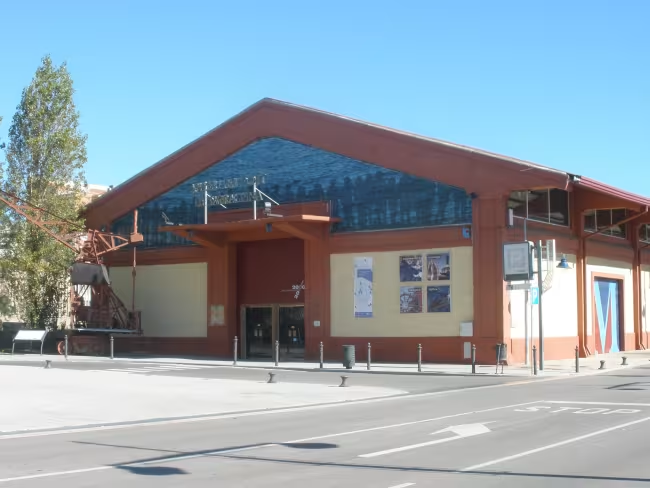
The Port of Tarragona Museum is located in a former port warehouse built during the first three decades of the 20th century. The museum takes you on a journey through the history of the city’s port…
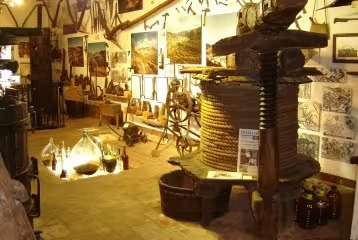
This museum is housed in Can Busquets, the ancestral home of the Busquets family, and is an authentic testimony to the history of farming and wine-making in the town of Montbrió. The museum’s…
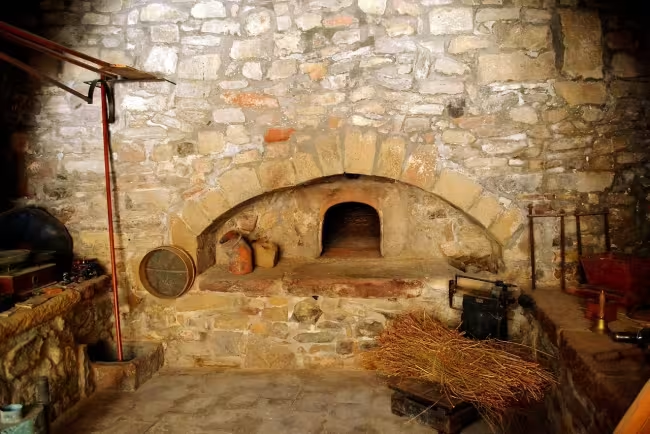
This is Conesa’s old bakery, which is documented as early as 1340. It was in private hands until 1746 when it became communal. It continued to work until 1924. In the 1970s, once the building had…
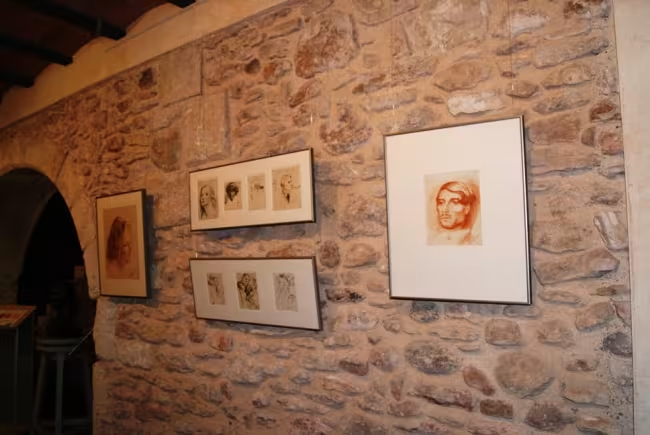
The house in which the artist Josep Cañas (1905-2001) was born is now a museum for his sculptures and drawings. In 1986 he was awarded the Cross of St George by the Catalan Autonomous Regional…
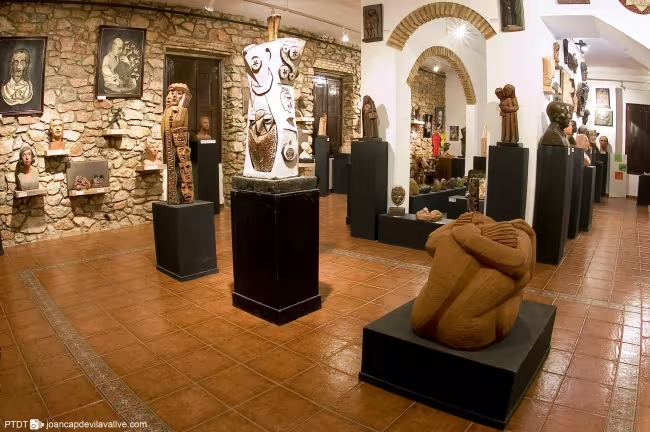
The museum exhibits sculptures and other works by the local artist, Marçellí Giné (1918-2006), and his wife, Lula Pérez. Marçàginé (his artistic name), was a sculptor, sketch artist and ceramicist.…
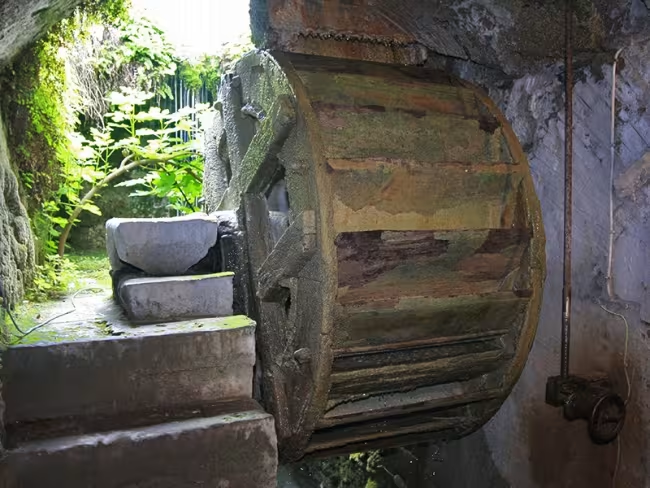
This museum is in the old Volta de Montblanc mill, one of the largest in Catalonia with four millstones. The building has been restored and fitted out using original pieces to tell visitors about the…
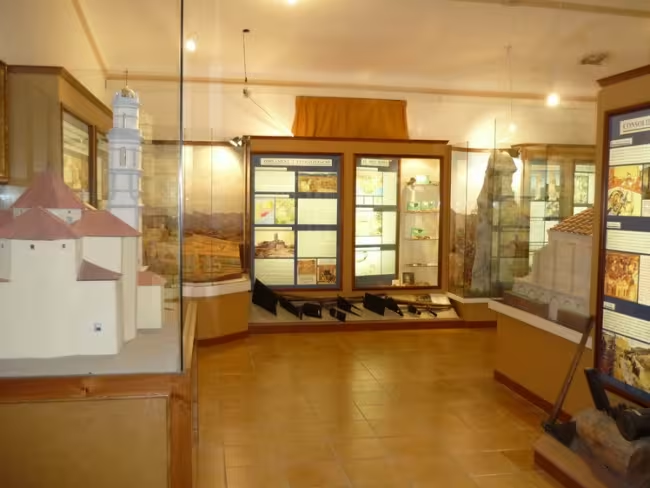
The objective of this museum is to preserve and exhibit Vila-rodona’s cultural heritage and to explain the town’s history from prehistoric times to the present day. It has more than 2,000 items…
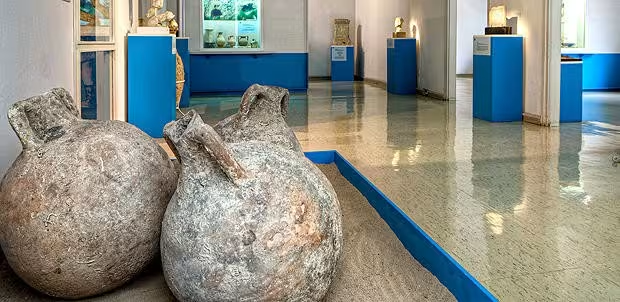
The exhibits in the Reus Museum range from prehistory to the Modern Period and illustrate the history of Catalonia’s southern counties and particularly the evolution of the town of Reus, from its…
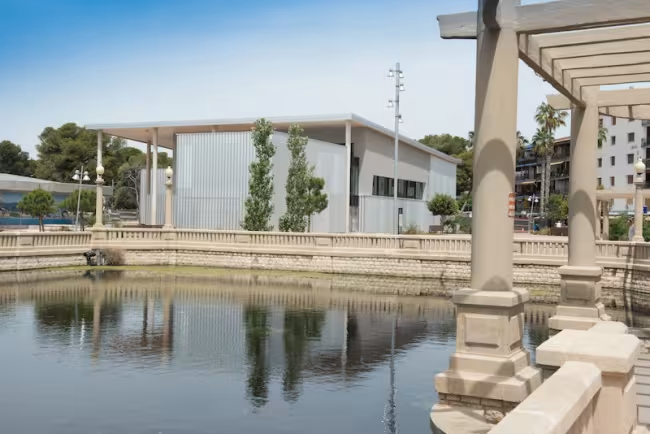
The Tabaris Museum invites us on a stroll through the history of Coma-ruga and the municipality of El Vendrell. It is a museum that holds no collection, but instead shows a reality shared between…
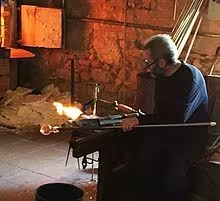
The first glass kiln in the municipality of Vimbodí and Poblet dates from 1188, when the glassmaker Guillem was helping to build the monastery of Poblet. However, it was not until the beginning of…
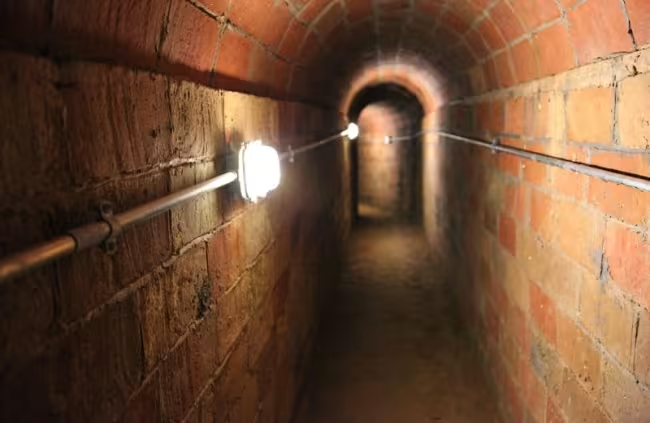
A bomb shelter built in 1938 to protect the population from the aerial bombardments during the Civil War. Now the only remaining public bomb shelter in Cambrils, it has been restored and made…
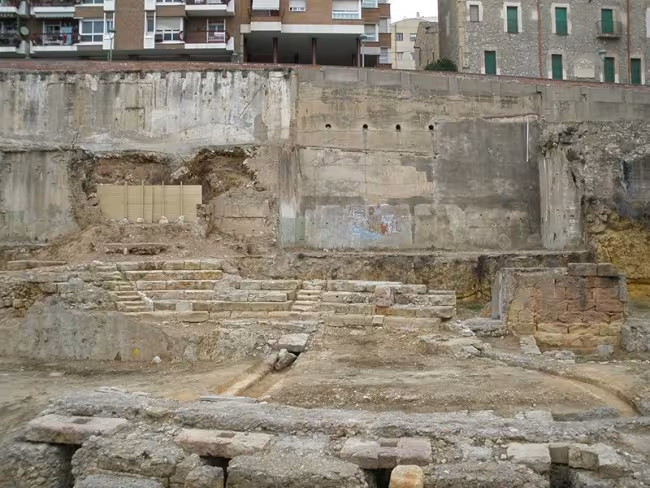
The Roman theatre of Tarraco was built in the time of Emperor Augustus, near the Forum of the Colony and the port area, making use of the slope of the land to house the seating.
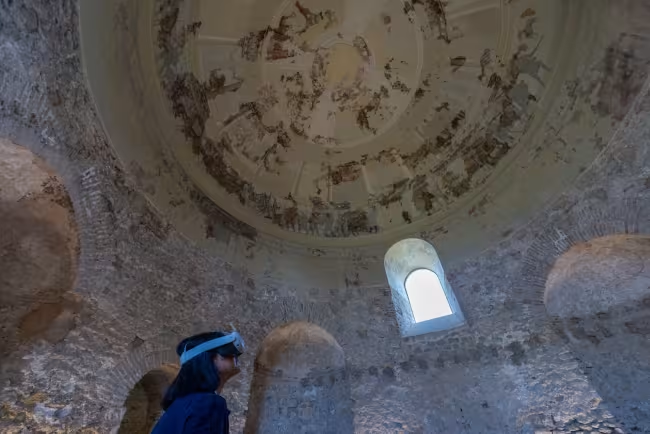
This Roman villa, probably built in the 4th century, has become a key monument of Paleochristian art.
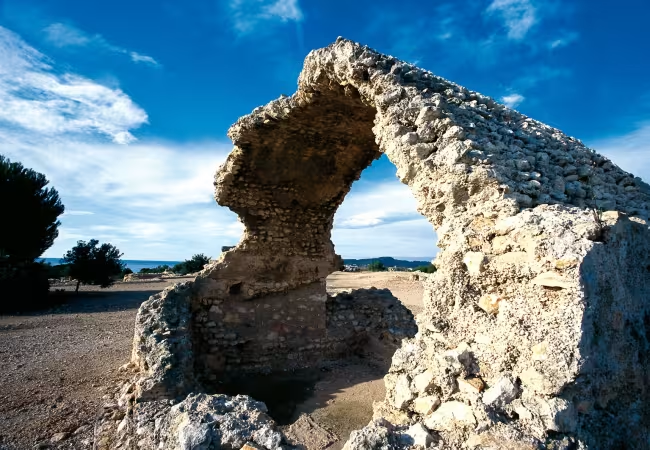
Around the great Roman city of Tarraco, numerous villas devoted to farming and leisure were gradually founded. One of them is the Villa of Els Munts, very close to Altafulla beach and built in the…
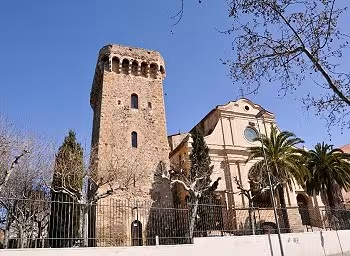
The Torre de l’Ermita (Hermitage Tower) is a mediaeval defensive tower whose 80 steps you can climb for wonderful views of Cambrils. Inside you can see the permanent exhibition entitled “A Place…
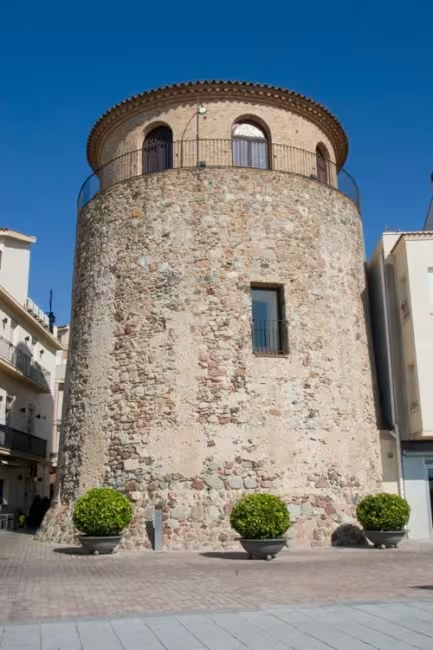
The Port Tower, also known as the Moors’ Tower, is a 17th-century coastal watchtower. Its location in the heart of the port has made it one of Cambrils’ best known landmarks and it has been closely…
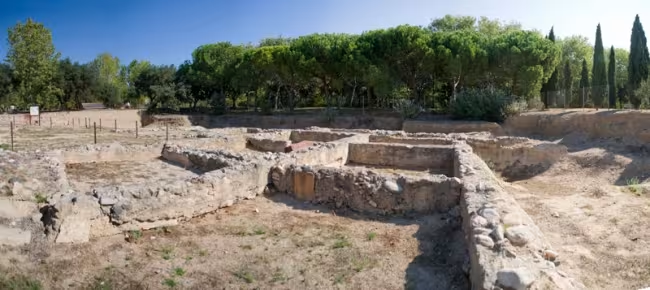
The Roman villa of La Llosa is an archaeological site where visitors can see the preserved remains of a residential villa. It was built in the area of influence of the Roman city of Tarraco…