
Trip ideas
Congost de Fraguerau and the hermitages
Tardor
Cornudella de Montsant, Falset, Margalef, Ulldemolins
Photography
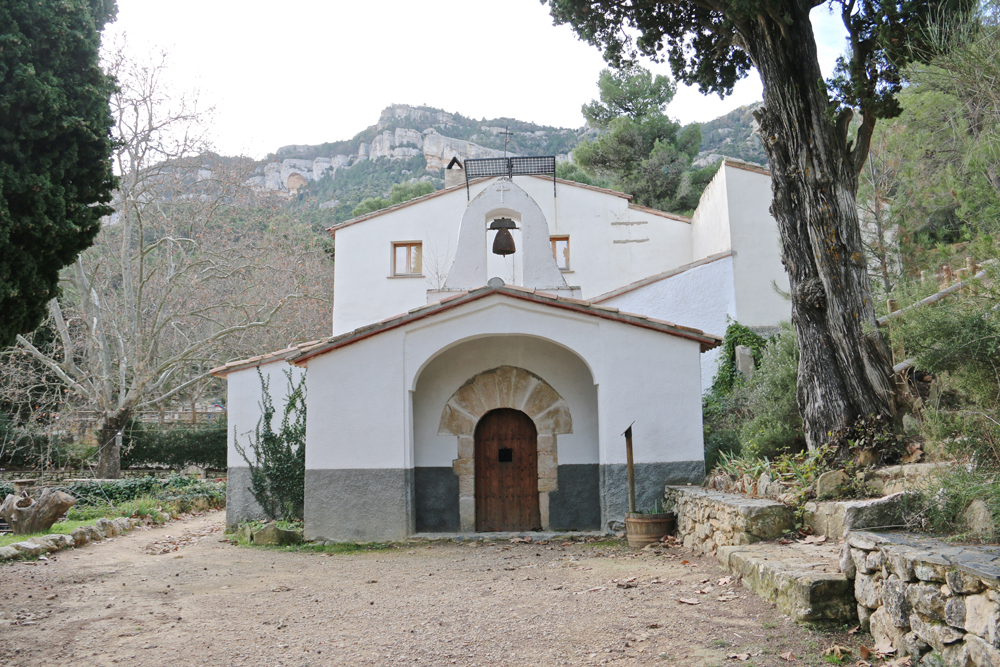
sant_antoni_judit_sabater.jpg
Perhaps one of the most beautiful natural spaces on the Costa Daurada is the Congost de Fraguerau (Fraguerau Gorge). It cuts through the gap left by the Montsant river between the Serra la Llena and the Serra de Montsant. It is also one of the most emblematic places in Serra de Montsant Natural Park. The river makes its way shyly between imposing rocks with rounded shapes, which draw an entrance to the Catalonia of silence. In fact, some call this valley the Valley of Silence, for the calm and peace you breathe there. The Priorat is one of the most rural and tranquil comarques of the Costa Daurada, ideal for getting in touch with the wildest nature and with the spirituality of small hermitages. The gorge owes its name to the anchorite Fra Guerau, who lived in a rock shelter near the river in the Middle Ages, next to which stands the Romanesque hermitage of Sant Bartomeu. Shall we start the hike? Access via the hermitages of Sant Antoni and Santa Magdalena d'Ulldemolins is the easiest way to begin the walk. The entrance to the gorge starts at the Cadolles Fondes, pools carved into the rock shaped by the action of water, which can be seen from a viewpoint. Along the route you will also find sights that will take you back to medieval times, such as a small hanging bridge that you have to cross over the river. We recommend an out-and-back route along the same GR-65-5. The idea is to follow the white and red markings until you reach the Hermitage of Sant Bartomeu. The return is along the same path. You will find several drinking fountains and a landscape that will make you disconnect from the noise and bustle of earthly life. Taking advantage of the mystical side of Montsant, we also suggest discovering the area through its hermitages, the great rural houses of spirituality, where the most revered virgins of the Costa Daurada are preserved. Below, we tell you about some of them, both those that form part of the Congost de Fraguerau itinerary and others you can find very close by, just a few kilometres away. Most can be reached by car, but all can be reached on a hike that will let you get to know the region in its purest state. We recommend some of the most special ones: PHOTO: @pnmontsant_judit_sabater
Hermitage of Sant Antoni and Santa Bàrbara (Ulldemolins)
Hermitage of Sant Salvador (Margalef)
Hermitage of Sant Gregori (Falset)
Hermitage of Sant Joan de Codolar (Cornudella del Montsant)
Do you know what truita en suc is?
Continue reading
See all →
Other TripIdeas
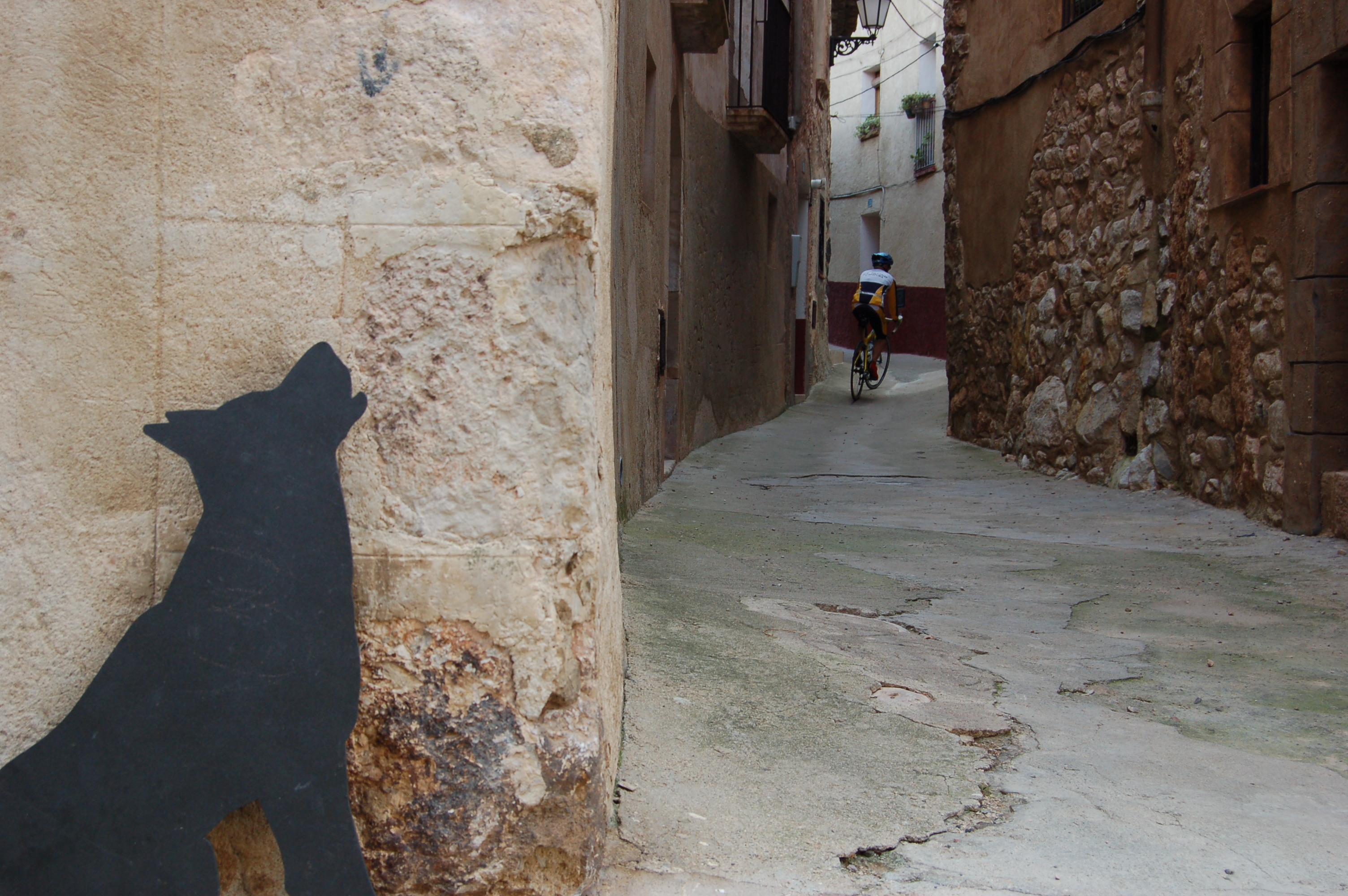
In Search of Pratdip's Diabolical Dips
"A long, long time ago in a village, which the people of the region called El Prat, some mysterious …
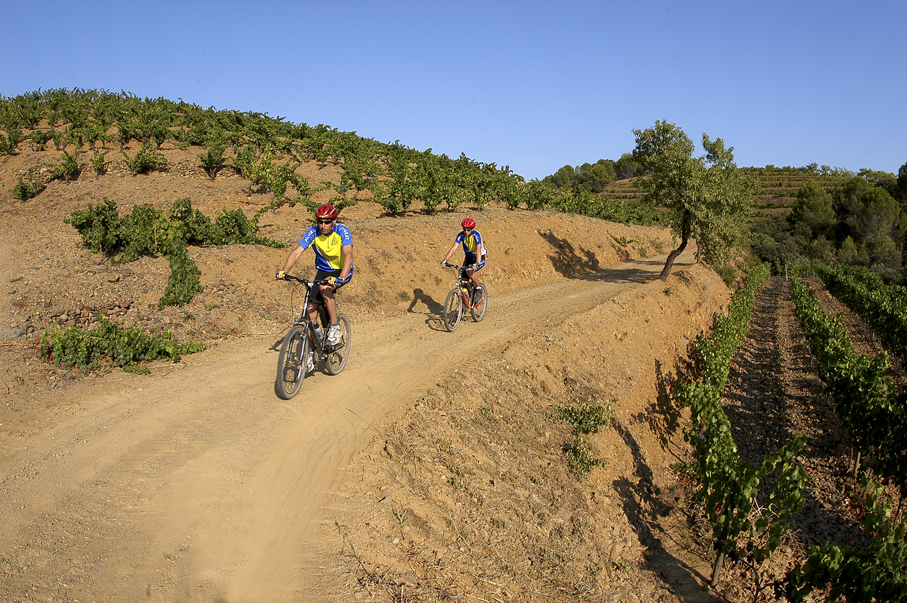
By mountain bike to the beach of Sant Salvador
It's time to put down the engine and trust your legs. The roads, paths and trails of the Costa Daura…
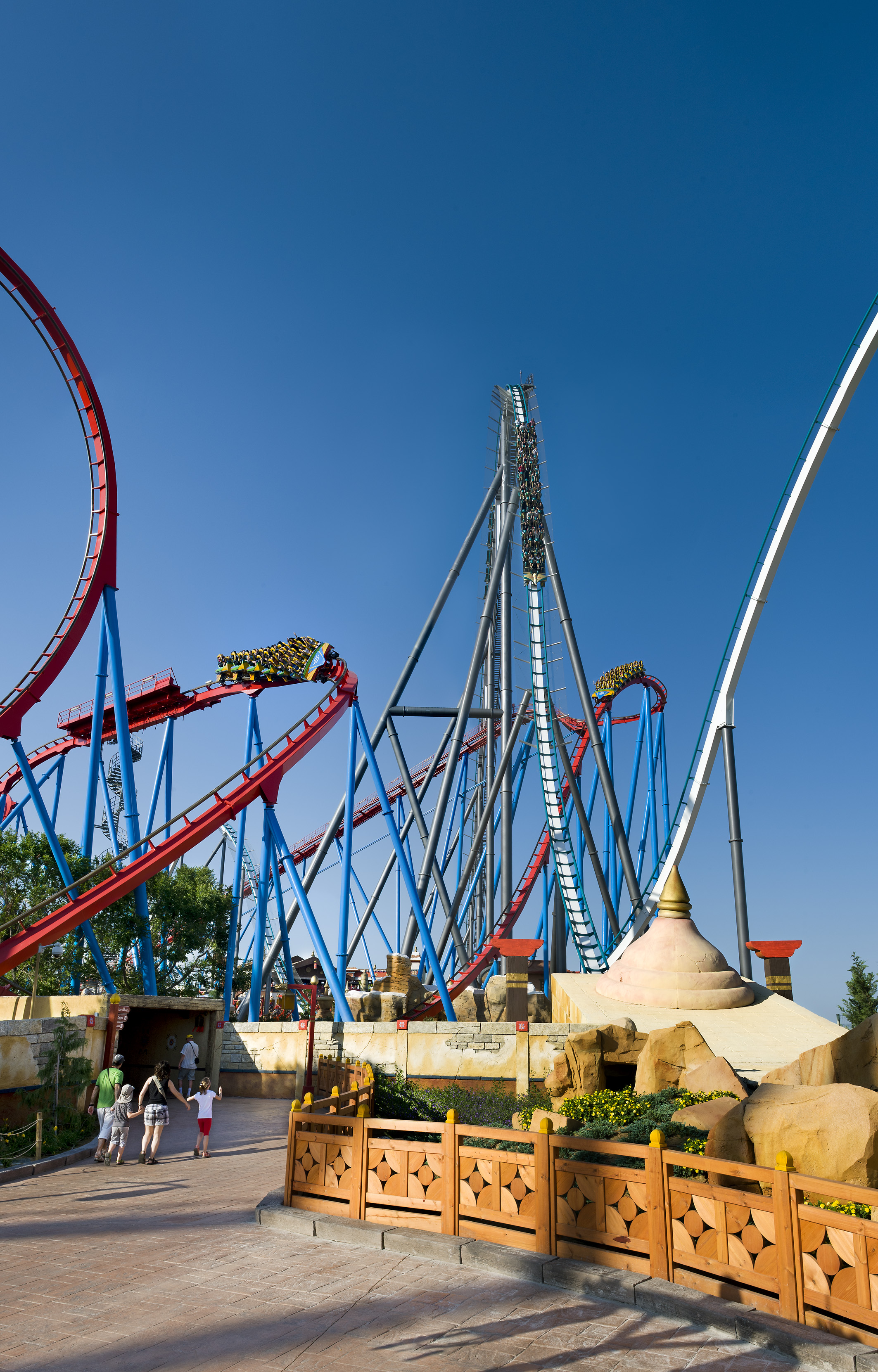
Adrenaline at the Rally Catalunya-Costa Daurada, terror at PortAventura World and bright sunset in Salou
The first time you go rallying it is fascinating to see how the floods of fans look for the best ben…