World heritage in the Priorat
Trip ideas

World heritage in the Priorat

schedulePrimavera placeCapçanes
Photography pedra-seca-priorat.jpg
The geography of the Priorat, with the Montsant and Llaberia ranges and the Muntanyes de Prades, and the rivers and ravines with their rock shelters, is ideal for the survival of many prehistoric remains, such as rock paintings. In fact, Capçanes, very well known as a wine-producing centre, has become one of the new capitals of rock art in the country after the discovery of a cluster of prehistoric paintings, including a unique mural of 27 figures representing a killing or human sacrifice. They can be seen in situ because the guided visits are normally suitable for all audiences. They take place every Saturday morning and are organised by the local company Còdol Educació. The explanations are adapted to all ages, so you will come away well informed and the curiosity of the little ones will have been sparked too. PHOTO @ Rafael López-Monné-consell-comarcal-priorat

Do you know dry stone?

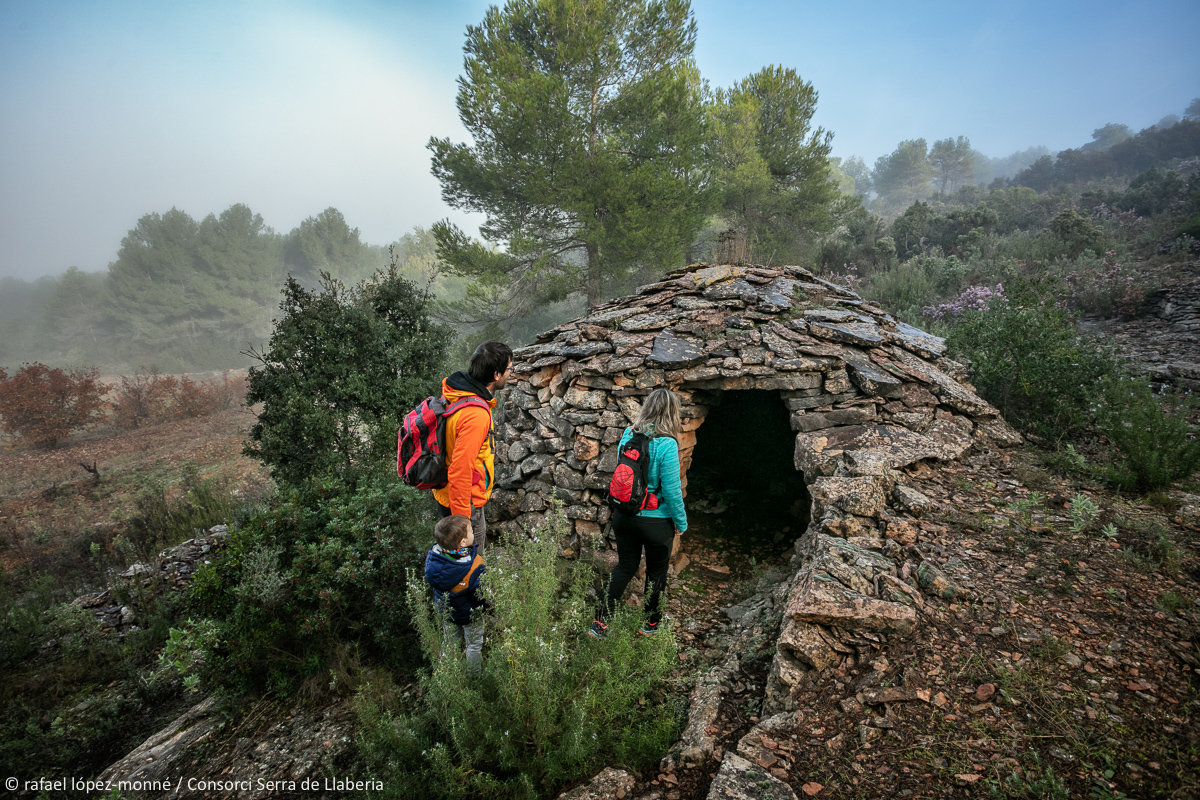
The paths of the Priorat are wild arteries into the Mediterranean landscape, and some of the most common local constructions are those made of dry stone. They are often structures such as walls or small huts, always linked to farming. They are also living proof of centuries of refinement and transmission of knowledge throughout the Mediterranean basin. The beauty of it is that these are pieces of rock, cut or not, that fit together with millimetre precision to build structures without mortar or cement.

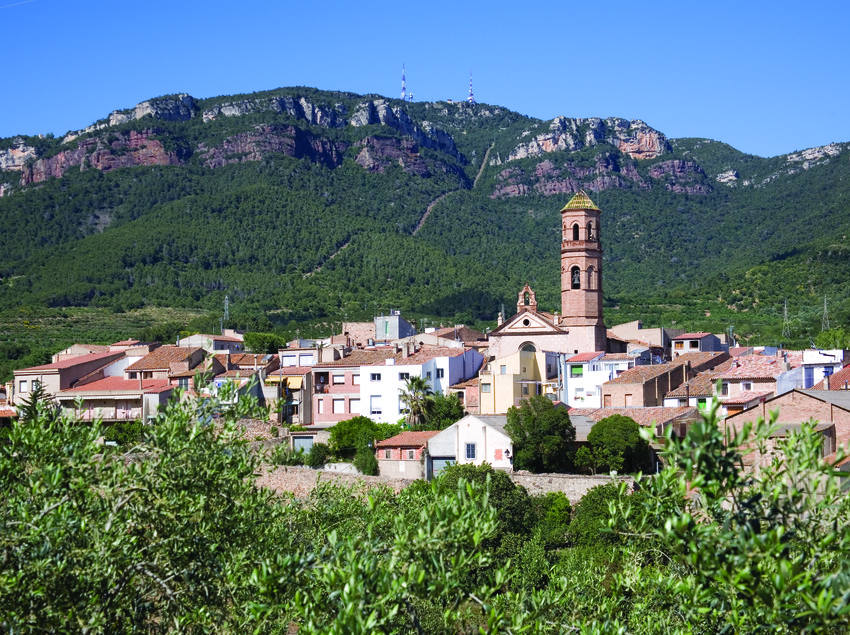
Around Capçanes there are some dry-stone structures that deserve a visit. From the north entrance of the village of Capçanes, if we turn left past the Cooperativa, we enter the barranc de la Vall. There, following the riera de Capçanes upstream, we find cal Ximo de Cama. If we continue along the path we will find several features, among which the Ca l'Arengada complex stands out for the variety of structures it presents. Once we reach the wide track, we continue uphill to visit two features: the hut on the shady side of Mas d'en Francisco and the one at Ca la Marina. We then turn back and follow the path downhill, enjoying splendid views over the village of Capçanes. Towards the end of the route there are two more dry-stone features worth visiting: the shelter at Cal Florit and the lean-to at Ca la Roseta. They are not easy to find, so we advise you to follow the routes on Google Maps or Wikiloc.

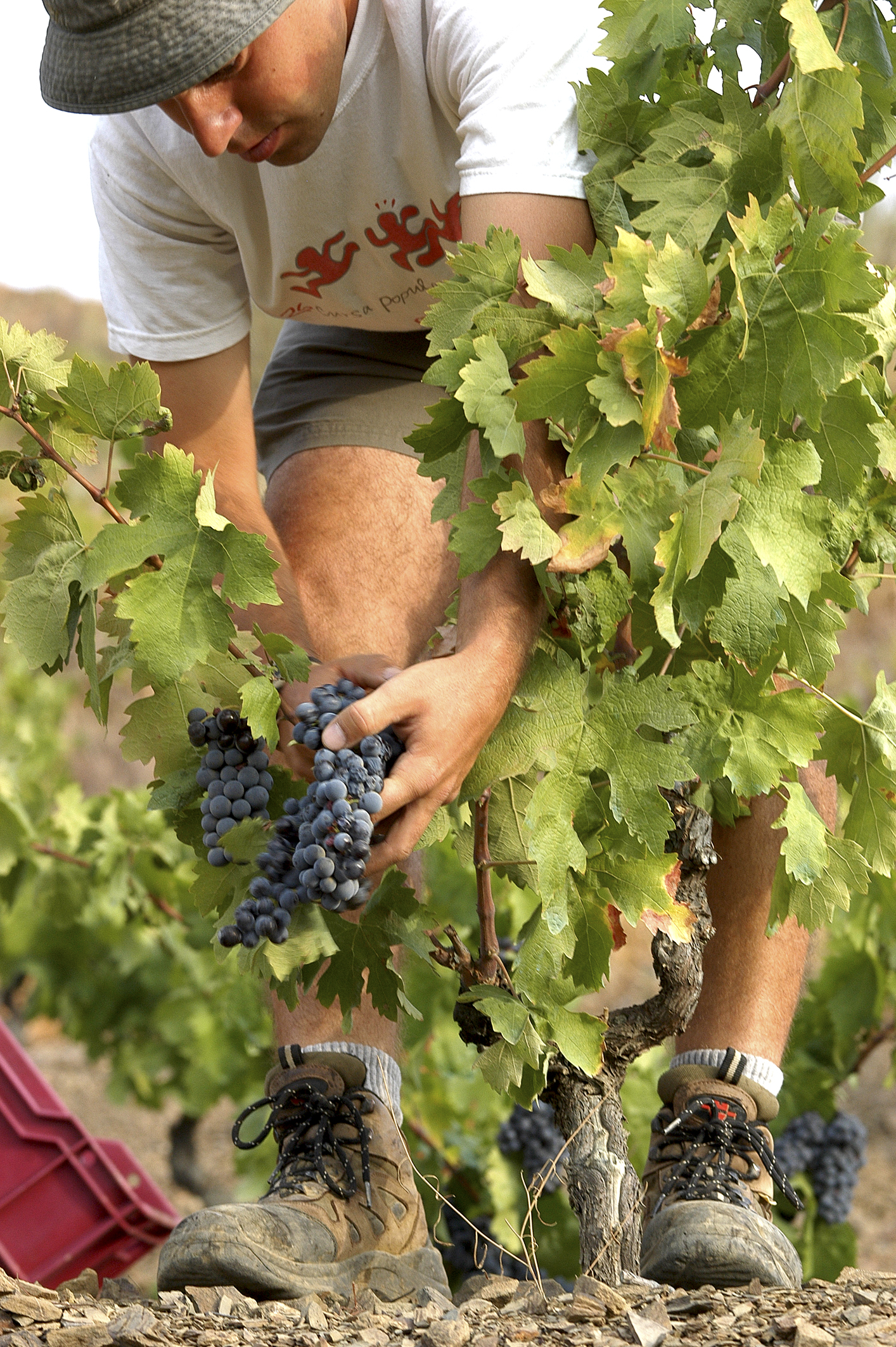
If what you really want is to delve into the world of wine, a visit to the Celler de Capçanes is a must, where you can even take a 4x4 ride through the vineyards. After seeing the heritage, do you fancy a tasting of Kosher wines? Or discovering the surroundings of the Guiamets reservoir? We tell you about both so you can choose or do both.

Do you know what a kosher wine is?

Make a note of this curiosity, because through wine you can reach the heart of Jewish culture. The Celler de Capçanes makes a wine suitable for Jews, and if you go they will explain all the details. How?

Capçanes was a pioneer in making kosher wines in Catalonia, which are special in that they are made exclusively by Jewish people. The wine, and all products containing wine or grape juice, must remain in Jewish hands throughout the whole production and bottling process. And only a Jewish person may open the bottle. In fact, wine represents the sanctity and individuality of the Jewish community.

Routes in the Serra de Llaberia

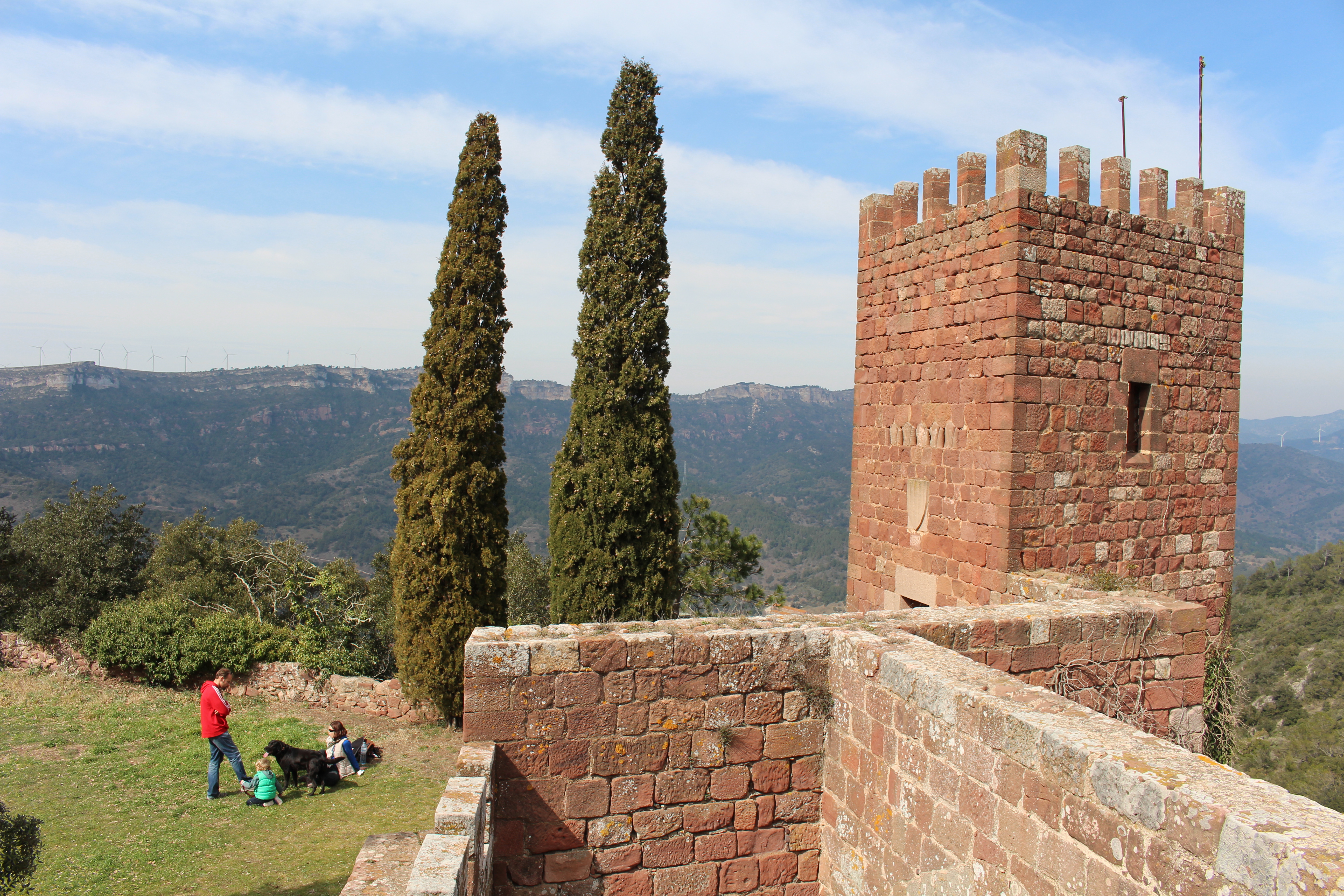
In the Serra de Llaberia there are some interesting hiking routes that follow ancient ancestral paths. We recommend the so-called Ruta del Guerriller Carrasclet (Carrasclet Guerrilla Route), which starts in the Priorat village of Capçanes and crosses the cool depths of the ravines up to the ridges of the Serra de Llaberia. From there we will reach the Forat de la Roca de Llaberia, a privileged lookout over the agricultural plain and the surrounding ranges.

Another route, called the Carrerada de les Teules, is an itinerary that follows an old communication route, built mainly for the passage of livestock. Even today you can see the boundary walls that lined it. Walking along these old communication paths we will reach some isolated farmhouses in the Serra de Llaberia, such as the Caseta de la Vall, still with active vineyards, and the Mas d'en Cosme.