Ruta de la Capona
Trip ideas

Dry-stone architecture, or how to build without cement on the Costa Daurada

scheduleHivern placeEl Pla de Santa Maria, Valls
Photography Ruta de la Capona
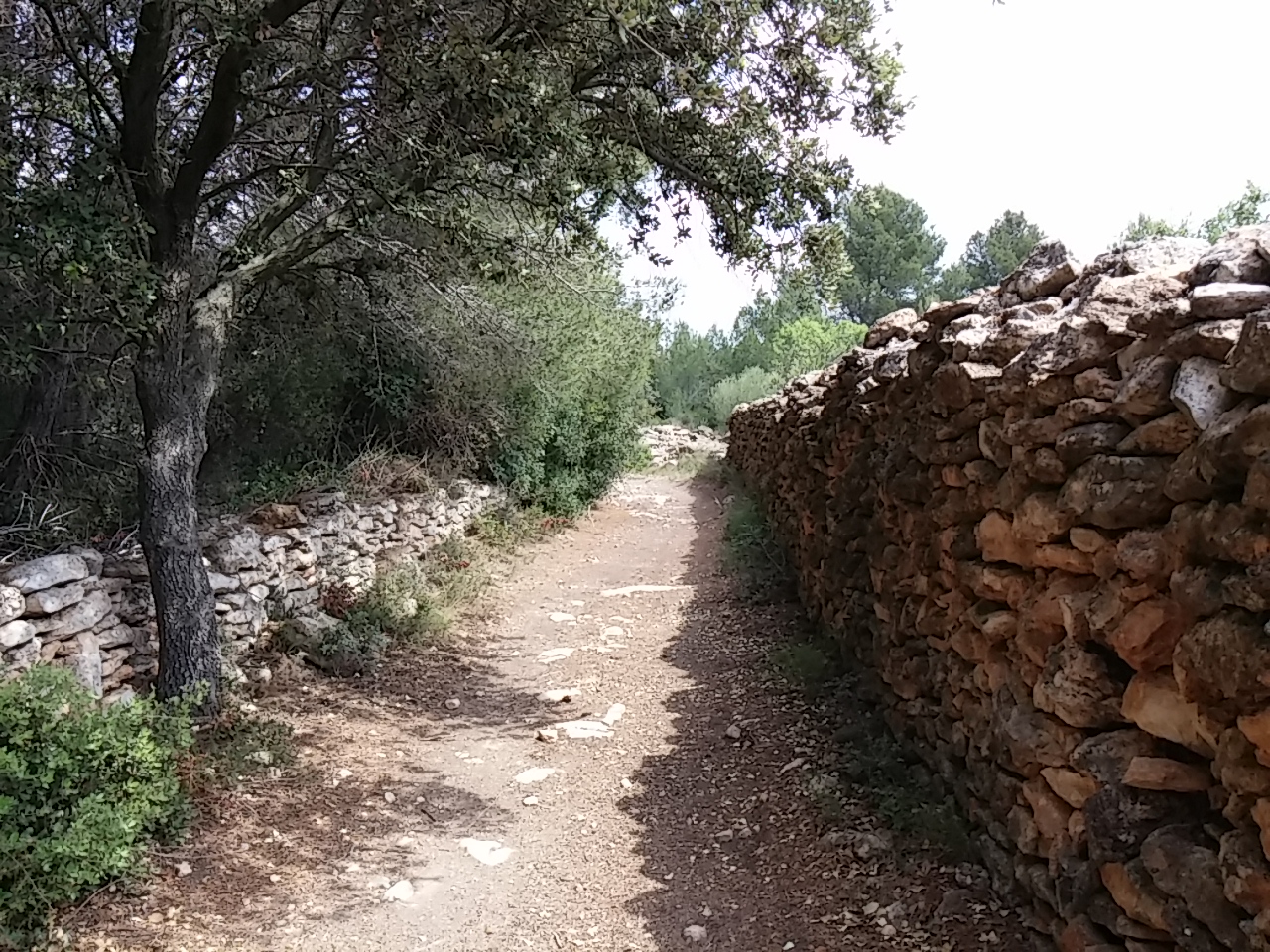
Dry-stone constructions, Intangible Cultural Heritage of Humanity, are rural huts built mainly during the great expansion of vine growing on the Costa Daurada between the 17th and 19th centuries. They were discreetly built by farmers and shepherds who, on the one hand, wanted to clear the fields of stones so they could cultivate or graze them, and, on the other, to have shelter and a store for tools useful for their work. Their great particularity is that they were made without using any cement to join the stones. What magic that they stand upright!

Houses that keep beehives
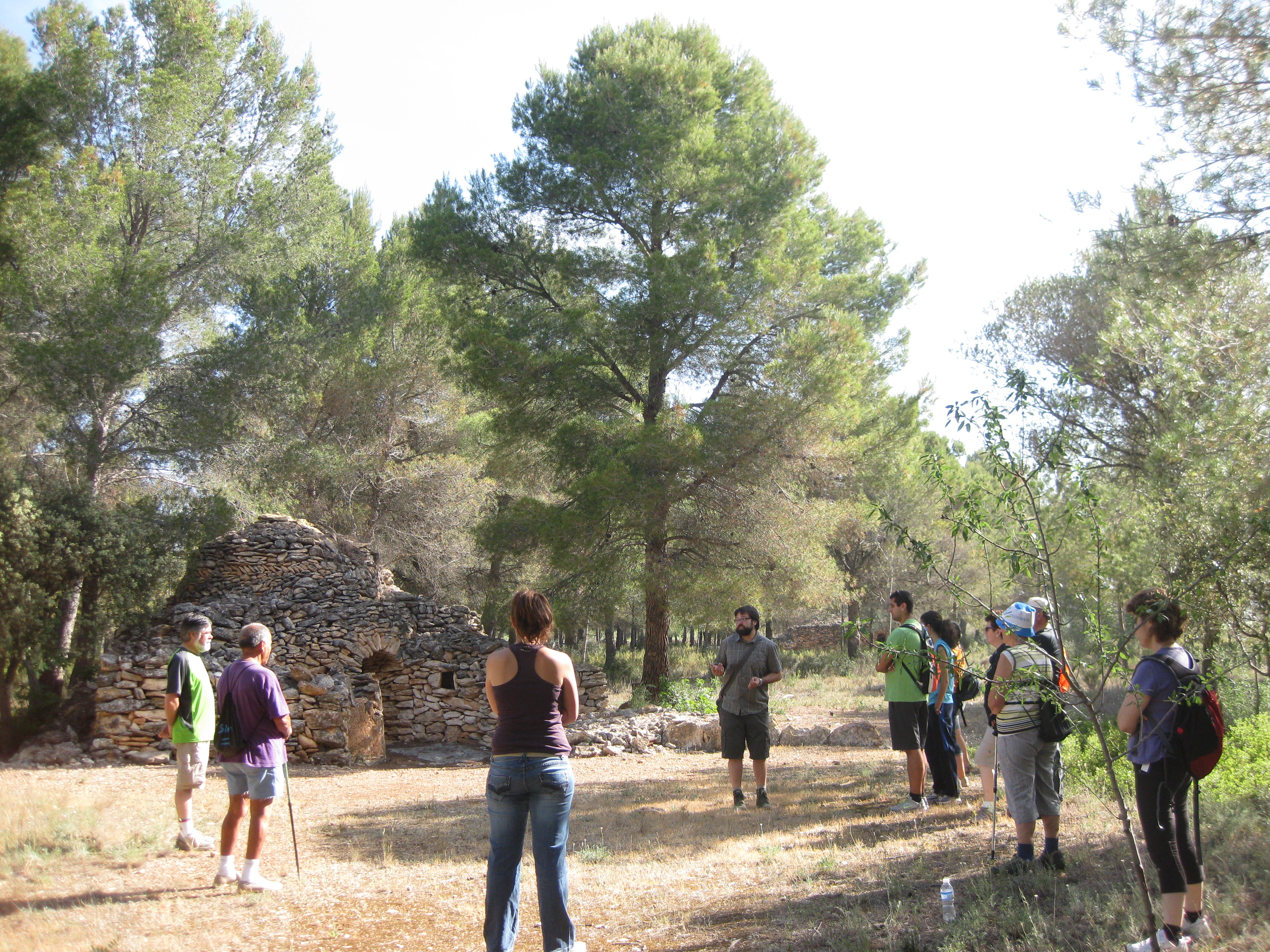
In the Les Planes area, on a plateau on the banks of the River Gaià, between Alió, Vila-rodona, Aiguamúrcia, El Pont d'Armentera and El Pla de Santa Maria there is a fascinating number of dry-stone structures that have miraculously survived to this day. The Ruta de la Capona or Ruta de les Barraques (Huts Route), entirely within the municipality of El Pla de Santa Maria, is a good option for a walk. On a route of about two kilometres you will discover different types of huts. Some have a circular plan, others a large doorway, and some are even built as arneres, devoted exclusively to housing beehives. It is a flat route and is also recommended for children.

Access to the Ruta de les Barraques is from the C-37 road, 2.5 km from El Pla de Santa Maria heading towards El Pont de l'Armentera. It is well signposted at one side of the road and you will find a car park with tables if you want to have a good picnic with the children.

Giant Mazinger Z

One of the area's attractions is the giant statue of Mazinger Z in the Mas del Plata development in Cabra del Camp. Many say it is one of the greatest eccentricities of the Costa Daurada, and they may not be wrong. A ten-metre-tall statue, the biggest in the world dedicated to this cartoon character. It has been there since 1979, when the developer of this housing estate decided to build it to attract children to the area. So if you want to see an unusual attraction, we recommend a visit. Fists out, folks!

Houses that keep beehives

The Gran Festa de la Calçotada in Valls
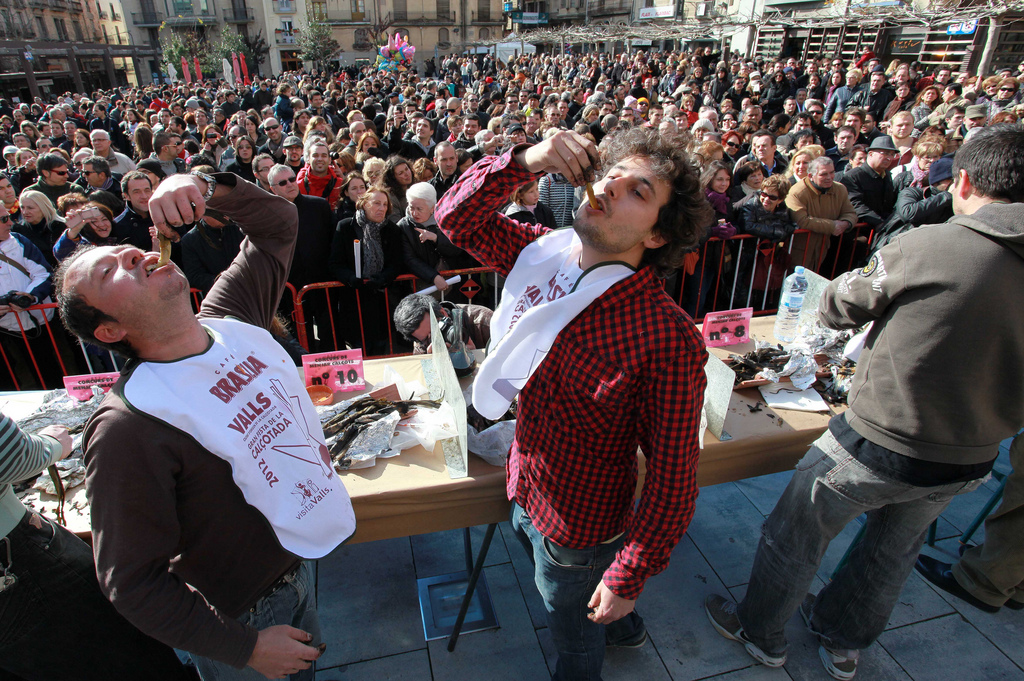
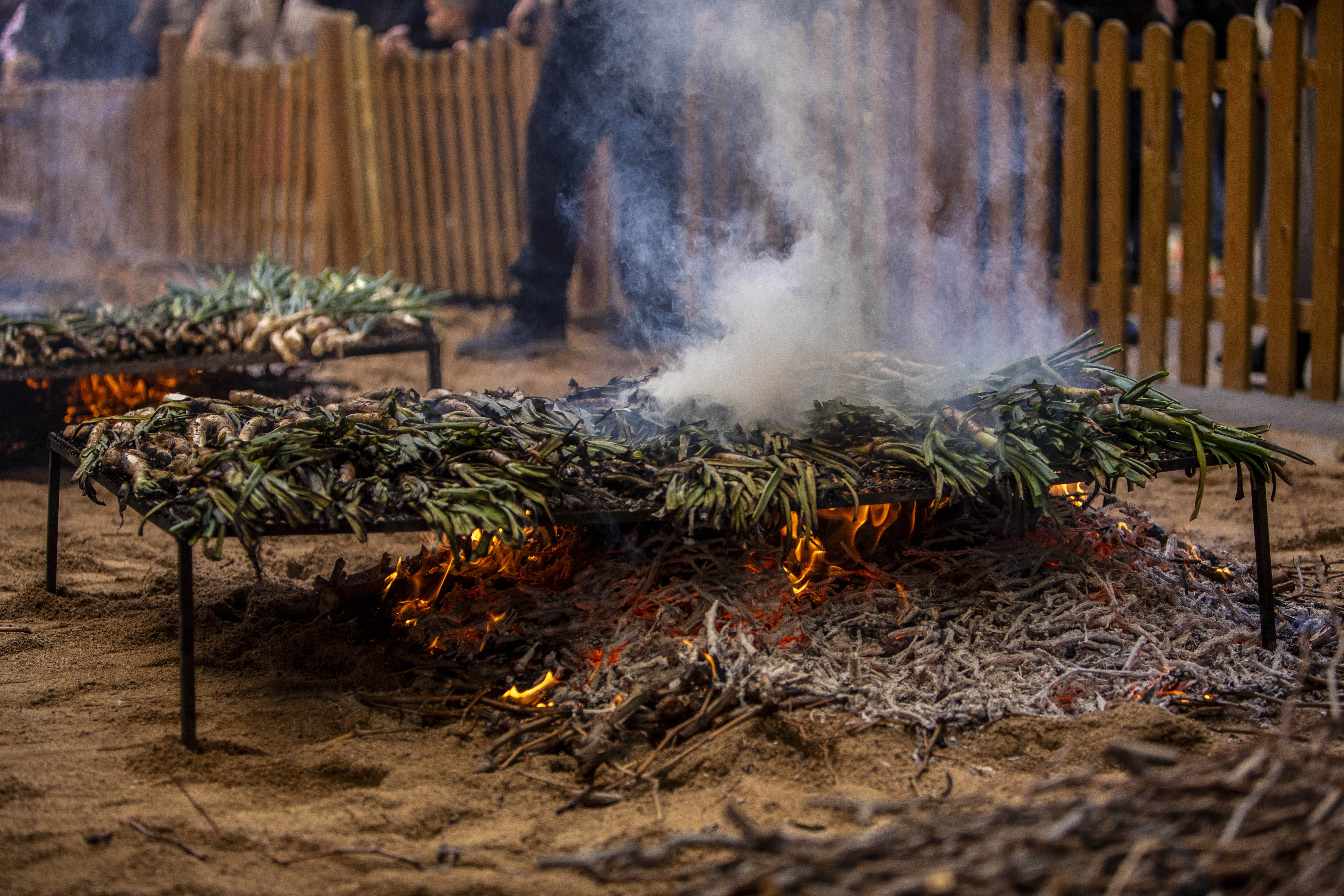
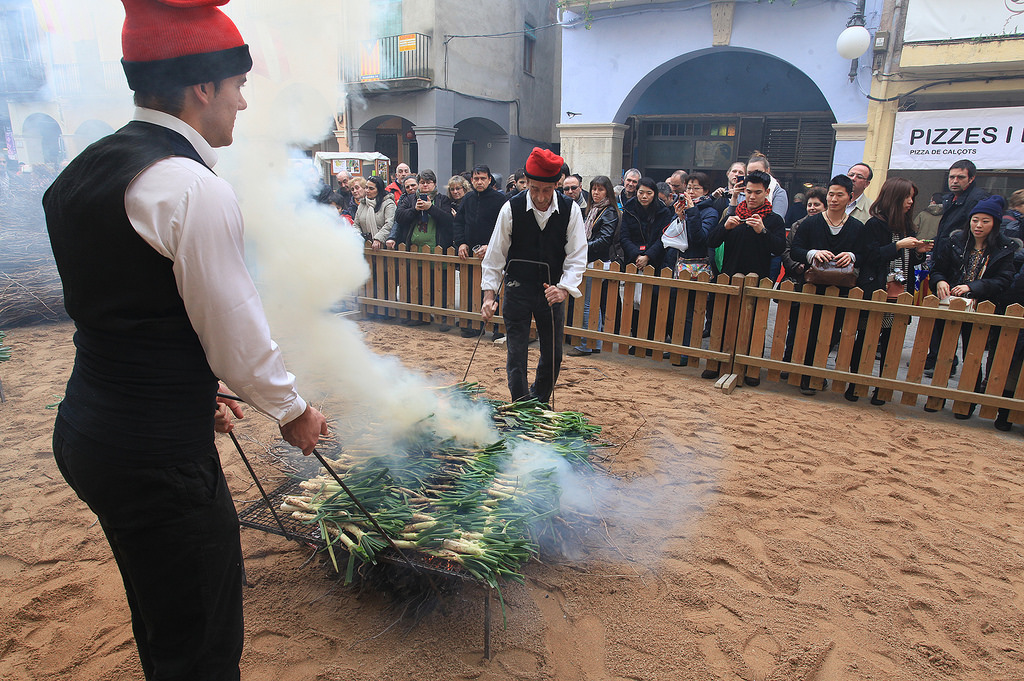
Choose the plumpest onion, peel it with two fingers, dip it by twisting it into the romesco, lift it above your head, and... down the hatch, it goes down easy! Can you imagine a calçotada with thousands of people doing it at the same time? That and much more is the Gran Festa de la Calçotada in Valls, surely one of the great festivals held in Catalonia. It takes place on the last Sunday in January and serves as the capital of the Alt Camp's kick-off to the calçot season. There are contests for calçot growers and calçot eaters, for making romesco... Parades, castellers and music make this event not only a gastronomic spectacle but also a cultural one.

Tradition says that a magical calçotada must have the Serra de Miramar as its backdrop, a Valls farmhouse as its stage and the city of Valls, the cradle of this dish that has crossed borders, as its stalls. If you can't make the great festival, you have until well into April to choose one of the dozens of restaurants that offer Alt Camp calçots and taste them where they belong.

The Gran Festa de la Calçotada in Valls

Valls, land of calçots
If you have lifted your head to swallow calçots, you may have noticed a beautiful bell tower cutting across the sky. The one on the church of Sant Joan de Valls is the tallest in all of Catalonia, at 74 metres, and is one of the key stops on the "Valls, terra de calçots" (Valls, land of calçots) route organised by the tourist office. The itinerary passes through the most emblematic places of the capital of the Alt Camp, such as the plaça del Pati or plaça del Blat, and ends with a visit to the Cooperativa Agrícola, where you learn more about the history of the calçot, its cultivation and the origin of the calçotada.

Valls, land of calçots

The air-raid shelter in the capital of the Alt Camp
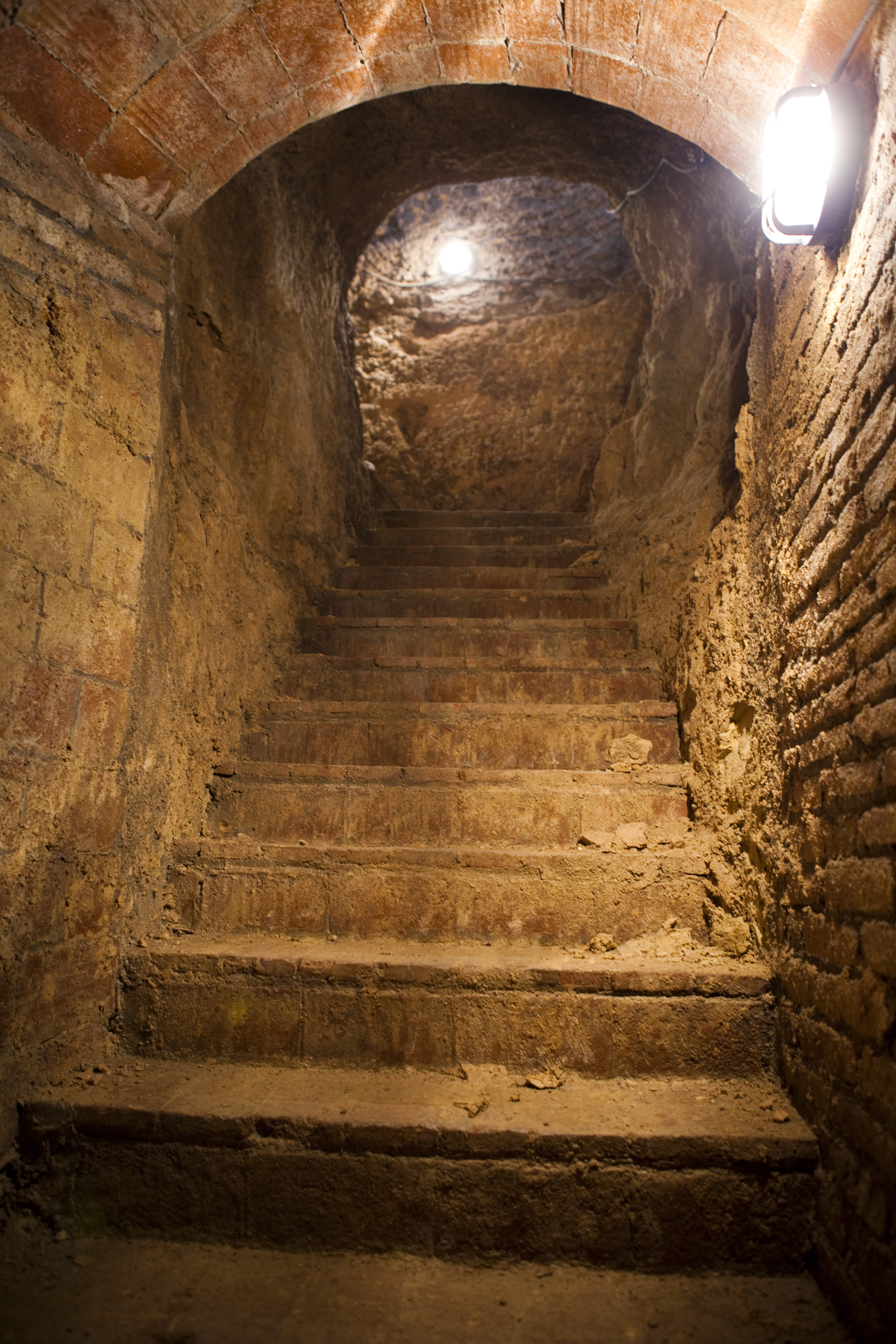
Every Saturday Valls offers a tourist route through the city's main monuments entitled "Descobreix Valls" (Discover Valls), which takes in the Jewish quarter, the city centre and also the depths of the town with a guided visit to the air-raid shelter beneath the plaça del Blat, the largest in the Tarragona province. It was meant to serve during the Civil War so the people of Valls could protect themselves from the devastation of fascist air bombing but, fortunately, the attack never came and the shelter was never used.

The shelter is 8 metres deep, with corridors 1.50 m wide and 1.80 m high. It is entered from the Espai de la Memòria de Ca Segarra, the centre where you can learn more about the history of Valls. Access to the shelter is by guided tour. Once inside, close your eyes and imagine Italian aircraft dropping bombs a few metres above your head... What a real nightmare thousands of Catalans had to endure barely 80 years ago!

The shelter can also be visited on an open visit every Saturday from 11 am to 12 noon for one euro per person, with an audiovisual screening that tells you the whole history of the place!

The air-raid shelter in the capital of the Alt Camp