Amfiteatre
Trip ideas

Tarraco, the great Roman city of the Costa Daurada

scheduleHivern placeTarragona
Photography Amphitheatre
A circus that hosted epic chariot races of bigas and quadrigas, the chariots pulled by two or four horses; an amphitheatre where gladiators fought to the death under a blazing sun; a theatre that staged and mocked life in the empire; forums, the provincial and the local one, that were the administrative heart and commercial soul of the city... What must it have been like to live in ancient Tarraco? Would you like to travel back in time?
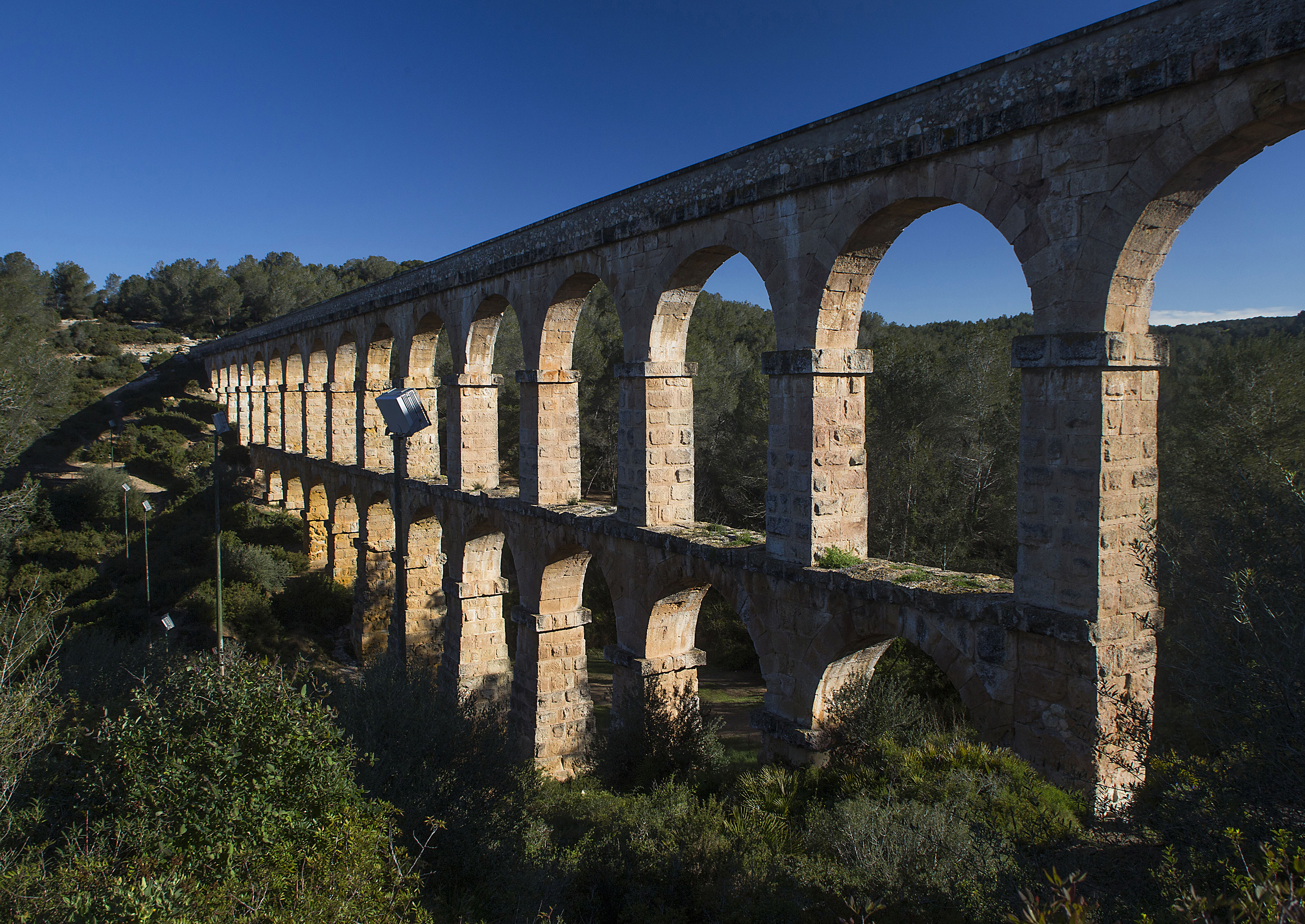
Tarraco, present-day Tarragona, capital of the Costa Daurada, was the first city founded by the Romans outside the Italian peninsula. Did you know that? And as such, it has the privilege of being one of the few cities of the Roman Empire endowed with the facilities that only the great Roman capitals possessed: circus, amphitheatre, theatre, forums, a religious area... A magnificent city also surrounded by great infrastructure, such as the Pont del Diable, which channelled water to the city; the Mèdol quarry, which supplied the stone to build the Roman city; or the Arc de Berà, a monument erected in honour of Emperor Augustus that marked the territorial limits of the capital.

Aqüeducte

Tarragona has always lived alongside Tarraco, but to protect and safeguard its rich heritage ensemble, UNESCO declared it a World Heritage Site in 2000. Today, when you walk through Tarragona it is as if you were strolling along the streets of Tarraco. Plaça de la Font, for example, where the Town Hall stands, did you know it lies right in the middle of the Roman Circus of Tarraco? The square was the site of the spina, the medium-height wall that separated the two directions of the race and allowed the bigas and quadrigas, pulled by powerful horses, to round the elliptical track in search of victory and honour. By the way, Tarraco had its local idols: Eutyches and Fuscvs, two of the great charioteers of the empire, the equivalent today of the best Formula 1 or MotoGP drivers. On either side of the Circus (which could hold 20,000 spectators!), sections of the stands still stand and can be admired, and they are marvellous. And underground, if you enter the History Museum, you can discover the labyrinthine entrails of the Circus.

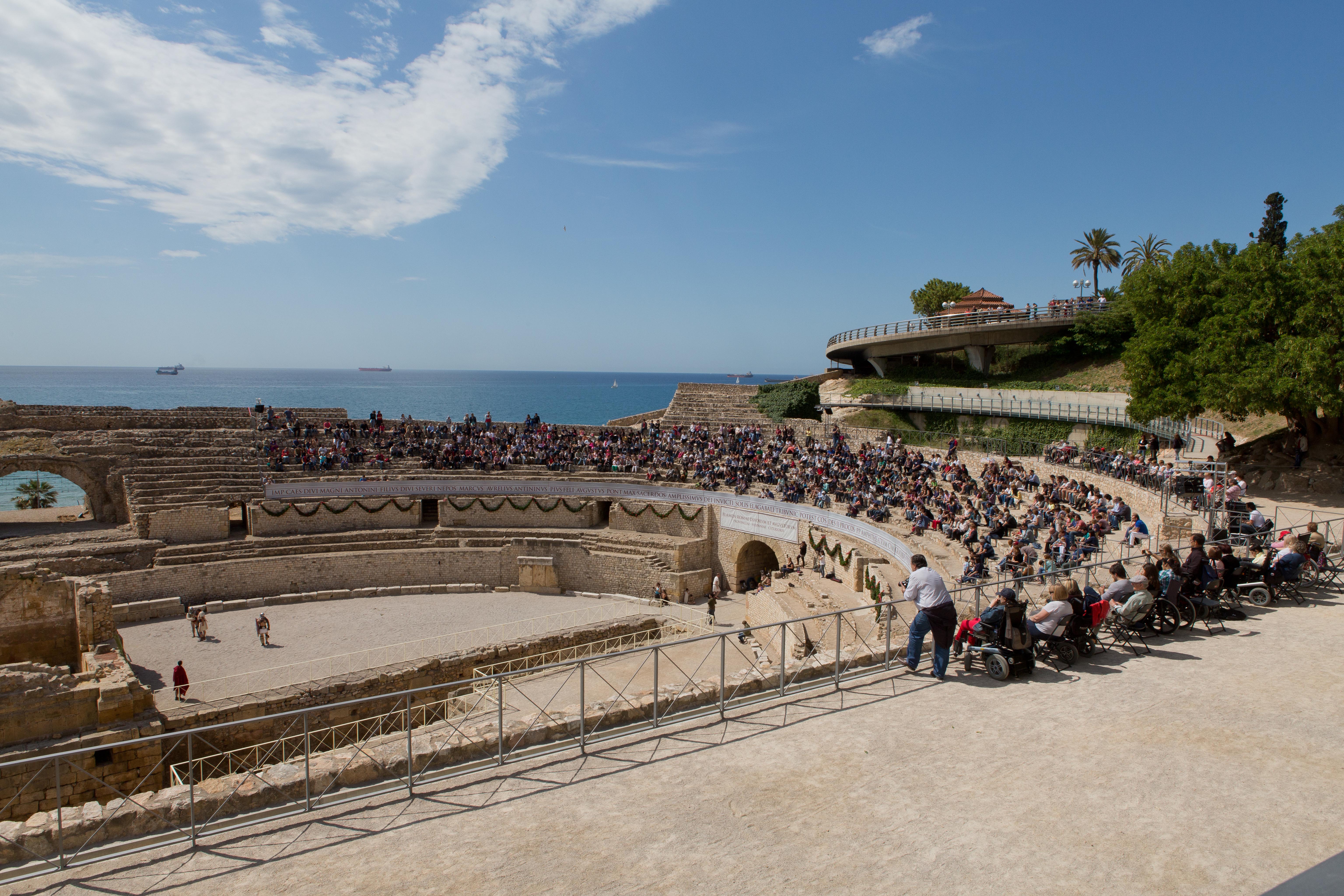
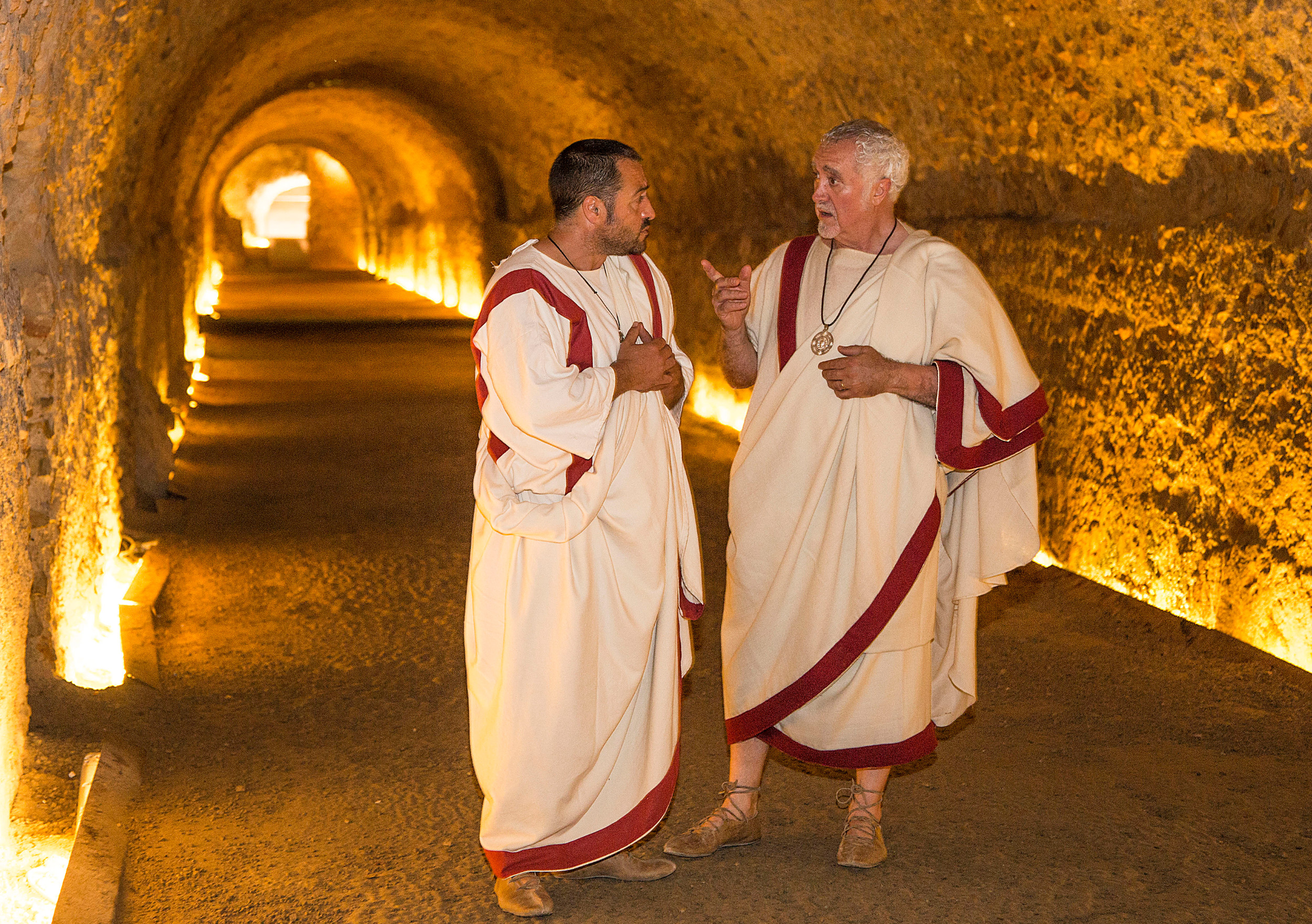
One of the city's iconic images, present on thousands of postcards, is the amphitheatre. Strategically located at the foot of the Mediterranean, the Mare Nostrum, its sand had witnessed the great spectacles it hosted, from naval battles to gladiator fights or the sacrifice of martyrs, such as Bishop Fructuosus and his deacons Eulogius and Augurius, burned alive on 21 January 259. Incidentally, every year between May and June Tarragona hosts the history-outreach event Tarraco Viva, where these and other typical scenes of Roman life are recreated in a unique atmosphere and with exemplary historical rigour. With the Tarraco a Taula days it also revives the typical dishes and stews of the period. We invite you to sit down at the table!

Circ

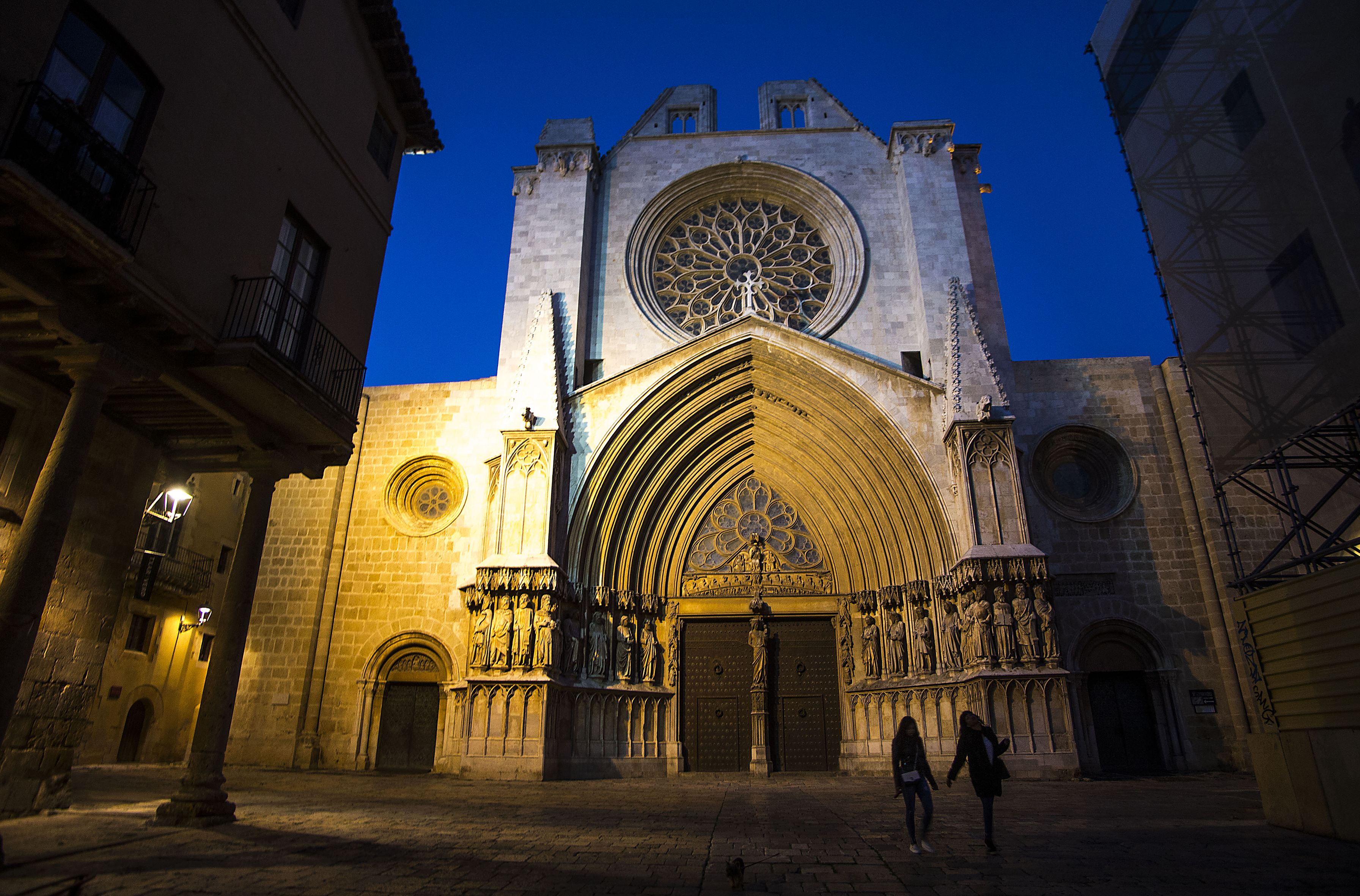
The highest part of the city, known today as the Part Alta, was the area reserved for religious worship. Did you know that beneath the imposing, unfinished Tarragona Cathedral stood the Temple of Augustus, and that the famous Roman emperor lived in the city for two years to recover from a series of illnesses, and ended up granting Tarraco the status of capital? These and other secrets, such as that Augustus was born on 23 September (Santa Tecla) and died on 19 August (Sant Magí), the city's two local festivals, can be discovered by booking a guided visit to the cathedral area.

Finally, we recommend that you enter the Tarragona History Museum, in Plaça del Rei, and climb the Praetorium Tower, one of the city's lookout towers, which offers impressive views. At the Museum you can arrange a visit to the different sites of Roman Tarraco, capital of the empire... and of the Costa Daurada. Ave!


Images © Manel Antolí (RV Edipress)

Catedral