Castell Barberà de la Conca
Trip ideas

Three castles to discover the heritage of the Conca de Barberà

scheduleTardor placeBarberà de la Conca, Santa Coloma de Queralt
Photography Barberà de la Conca Castle
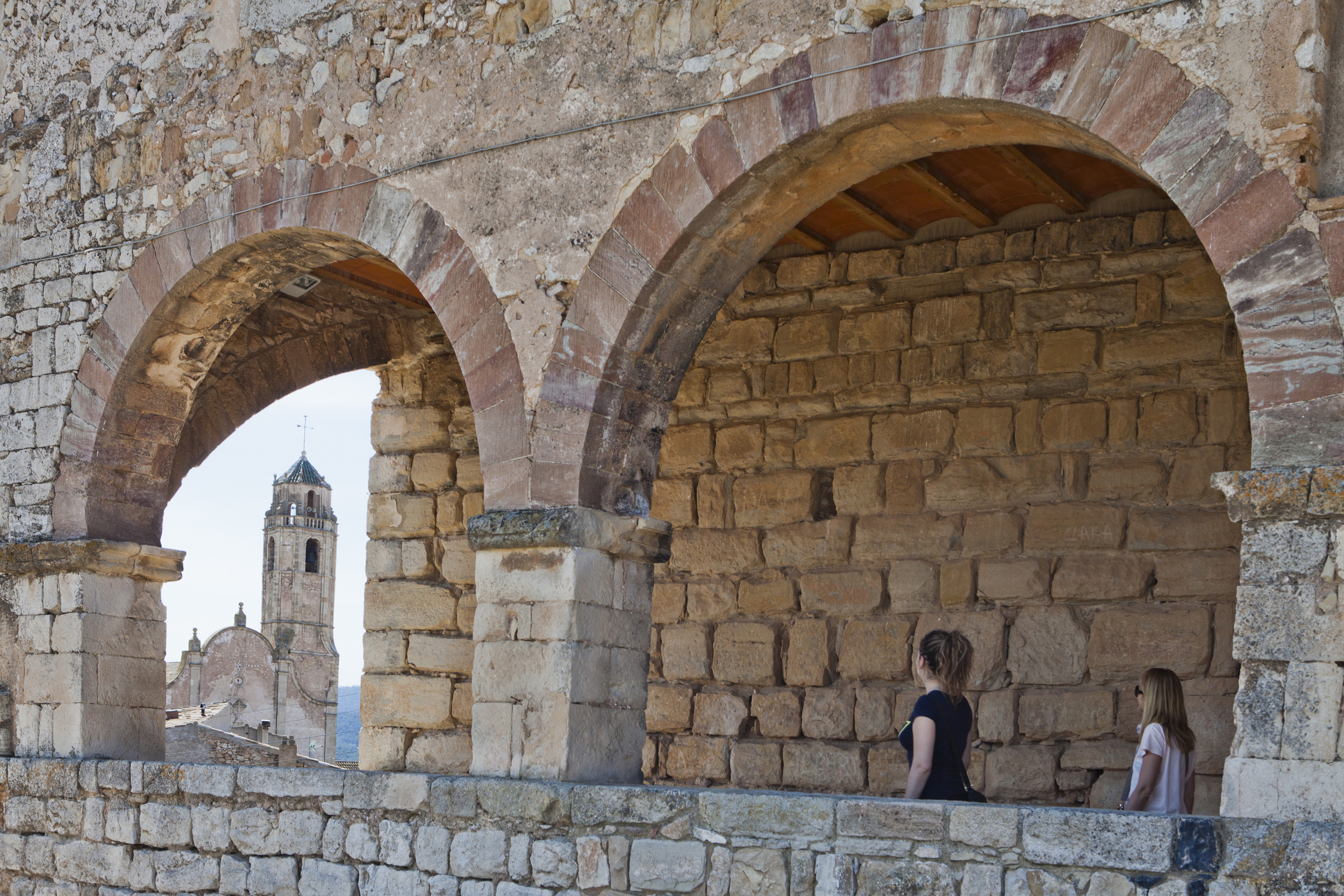
The counts of Barcelona and Urgell established one of the most important fortresses of the Hispanic March in what is now the village of Barberà de la Conca. This was in the 11th century. In the last decades of the 20th century it had survived in ruins, until in the 1990s the Amics del Castell group launched a campaign to restore it. The poet José Agustín Goytisolo, a resident of the village, was especially involved. Today Barberà castle, which was once part of the Templar order, has two buildings open to visitors, the old chapel and the tower. Concerts, lectures, exhibitions, wine tastings, film screenings and more are often held there. The village keeps the rural, community spirit that we like so much today. Set on a 450-metre hill, it offers great views of the comarca. The agricultural cooperative has the honour of being the heir to the first cooperative winery founded in Catalonia, in 1894. You can buy tasty white, red and rosé wines of the Conca de Barberà designation of origin (DO) there. And at the La Marinada leisure area, on the outskirts of the village, you can have lunch as a family and let the kids play football or basketball on the pitches, which are free to use.

The medieval village of windmills
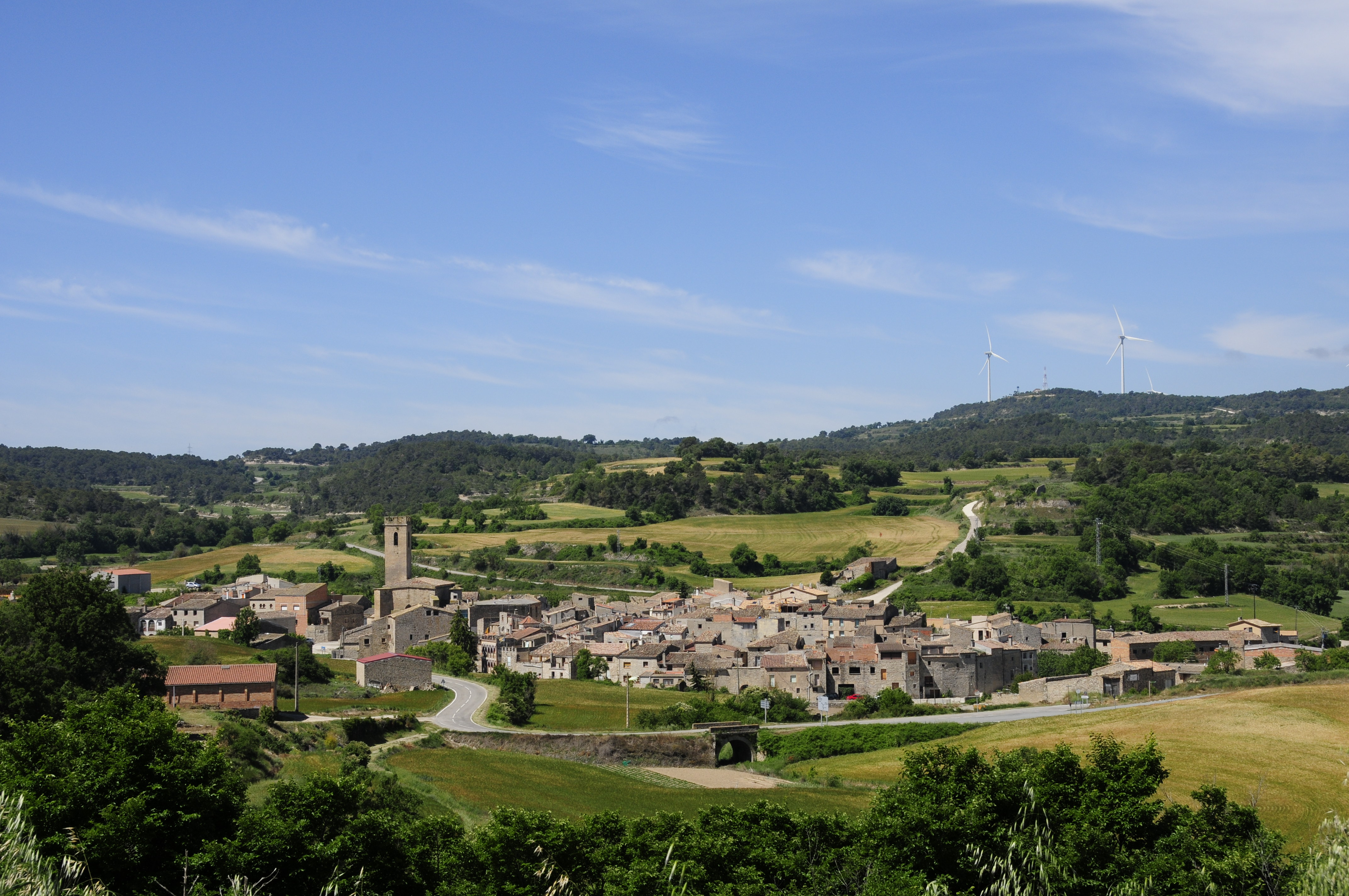
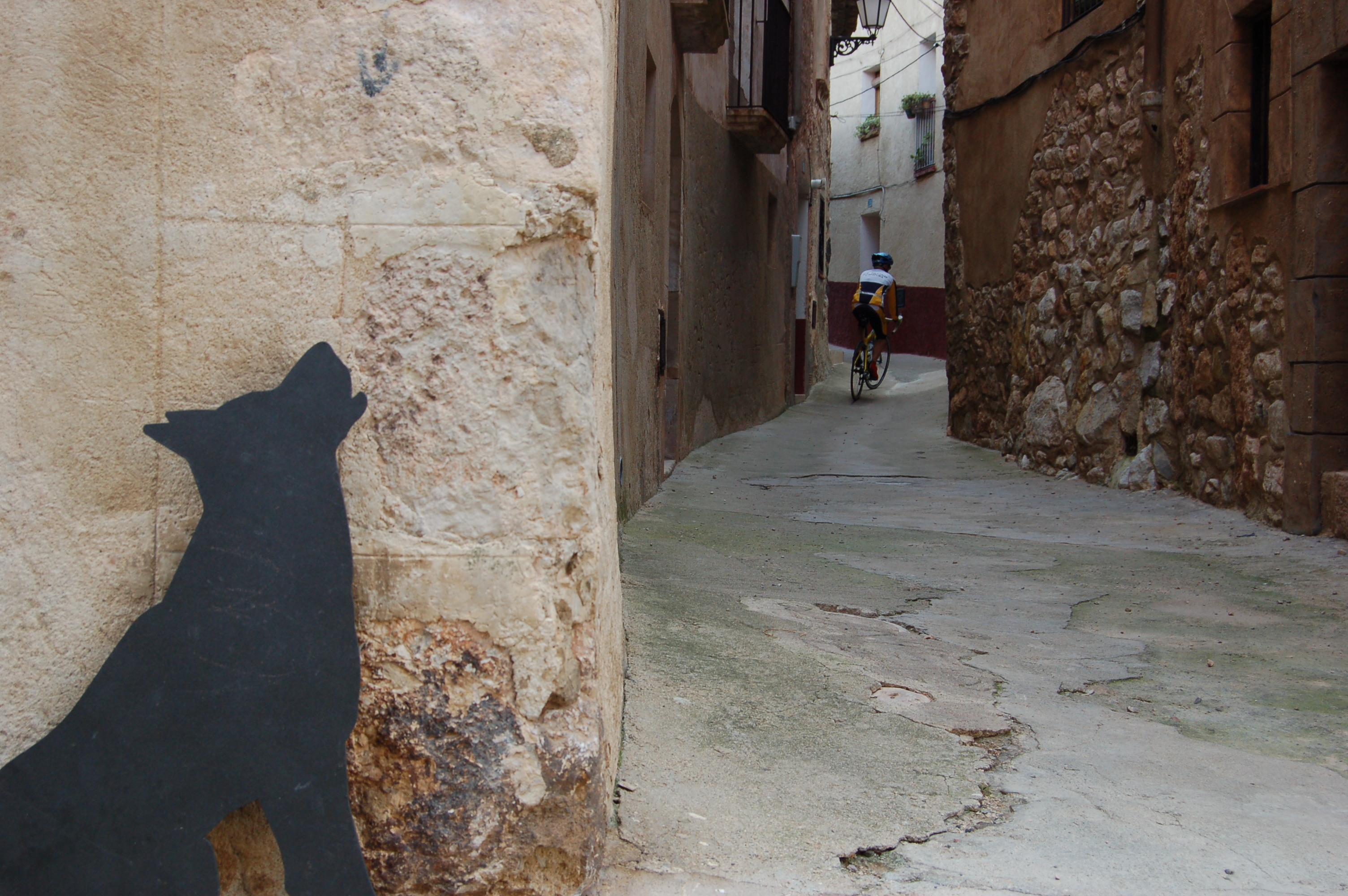
"Conesa, la bellesa" (Conesa, the beauty), say the people of the Conca de Barberà. This village, with barely 100 registered inhabitants, has almost one windmill per resident. In 2011 the historic centre of Conesa was declared a Cultural Asset of National Interest by the Generalitat de Catalunya, which placed it among the treasures of the Costa Daurada. The wind blows so hard on winter nights that some say they have a "frozen brain". That is why autumn, before the real cold arrives, is one of the best times to stroll there. The village of Conesa preserves part of its medieval wall in admirably good condition. The cobbled streets of the Jewish quarter (call) also take you back in time and are an excellent maze for children to get lost in as they run about.

Don't forget to take a look at Conesa Castle, a noble house in the municipality declared a Cultural Asset of National Interest and documented since 1123. It later belonged to the Monastery of Santes Creus, and the monks established their residence in the house that survives today.

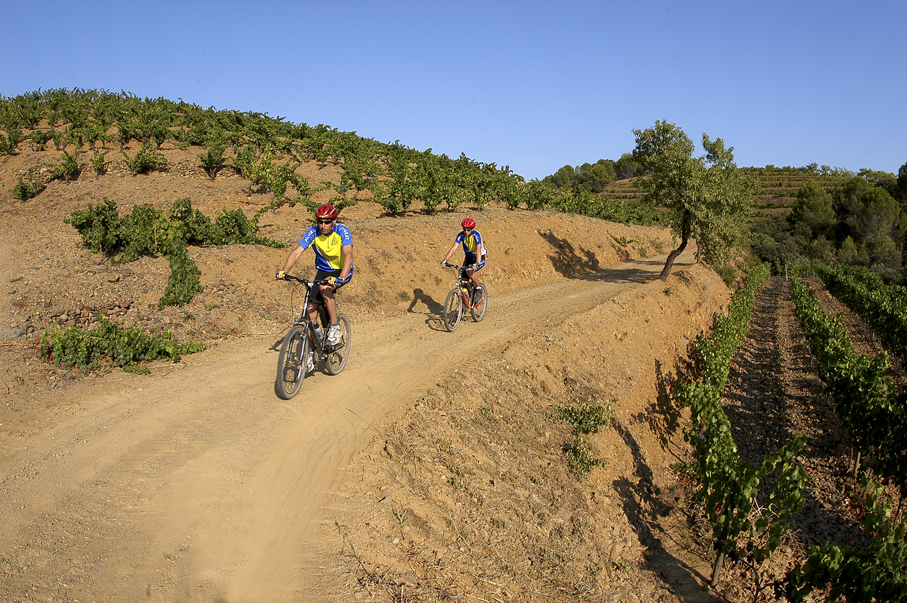
Also, Conesa lies between two streams that carry their waters towards the Corb valley, with forests of pine, oak, beech and box. It sits on the Segarra plateau of the Conca de Barberà and brings together the abandoned villages of Sabella, Torlanda and Saladern next to the Natural Area of Interest of the Obagues del Riu Corb. If you like, as it is easily accessible, you can enjoy an easy route along the GR 171, whether you prefer hiking or mountain biking.

Conesa

A musical stroll around Santa Coloma de Queralt
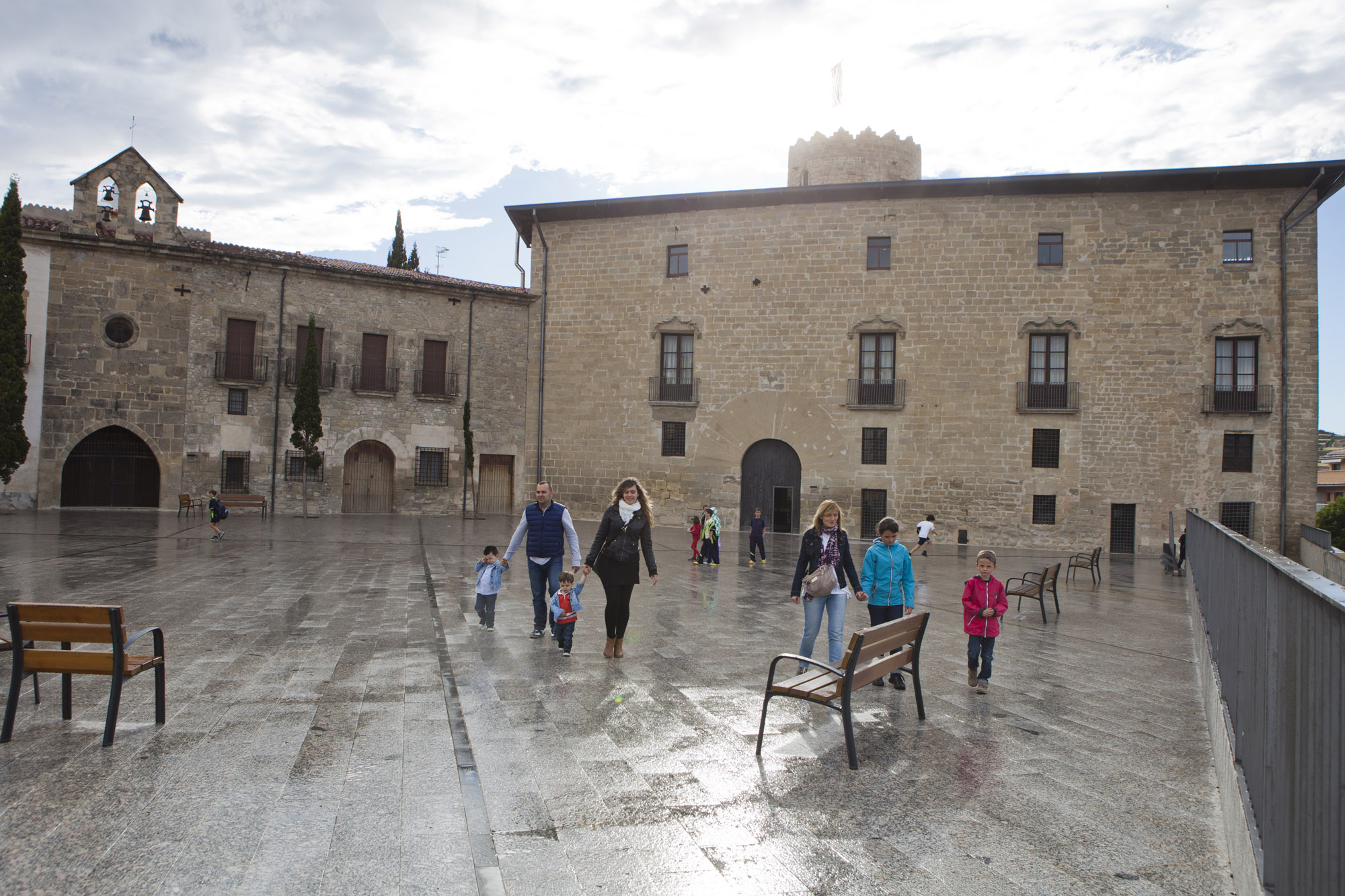
This TripIdea on the Costa Daurada can well be completed with a visit to Santa Coloma de Queralt. In the Middle Ages the town was considered one of the most beautiful for its architectural heritage.

Today, the Counts' Castle, which was the main residence of the barons of Queralt, is a good starting point for the visit. The square in front is usually a good track for the youngest cyclists. And so is the Plaça Major, where wrought-iron balconies stand out above the lovely arcades.

The Jewish Quarter for children

Santa Coloma de Queralt preserves much of its medieval appearance. Another important place is the castle of the Counts of Queralt and the Jewish quarter (call), a sign of the notable presence of members of the Jewish community in the town. We will delve into its past with local historical figures such as Jafeh, a young Jewish boy; Fàtima, a Saracen slave; Bernat Copons, master of higher studies; and the Notary, among others. The Santa Coloma tourism department organises guided, dramatised tours of 14th-century Santa Coloma de Queralt.

Santa Coloma de Queralt

Antiques and bric-a-brac market

If you like rummaging through antiques, Santa Coloma de Queralt holds an Antiques and Bric-a-Brac Market (Mercat d'Antiguitats i Rampoines) in late October and early November. About fifty stallholders usually gather in Plaça del Portal to show their wares and trinkets. You can find everything from books to kitchen utensils, decorative items and collectibles.