Reus, cradle of eaux-de-vie and Modernisme
The urban landscape changed between the 19th and 20th centuries. Cities wanted to leave behind enclosure and greyness and open up to the shapes of nature, to colour and light. Modernisme was taking firm root and was welcomed by the Catalan bourgeoisie, who commissioned the best architects of the day to refurbish their homes. The eau-de-vie industry had made Reus one of the capital cities of Catalonia and, as such, it adorned itself with Modernisme.
More information
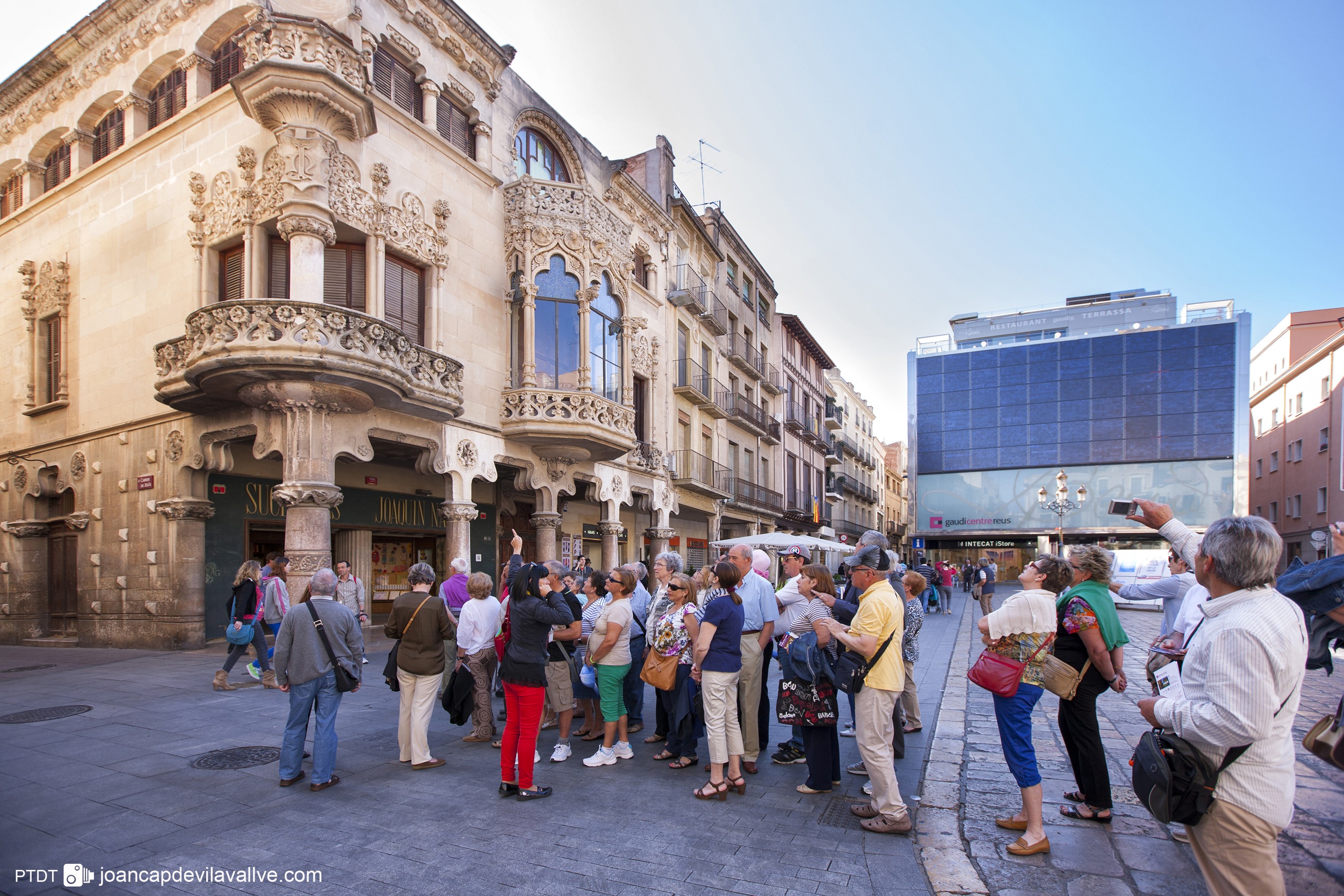
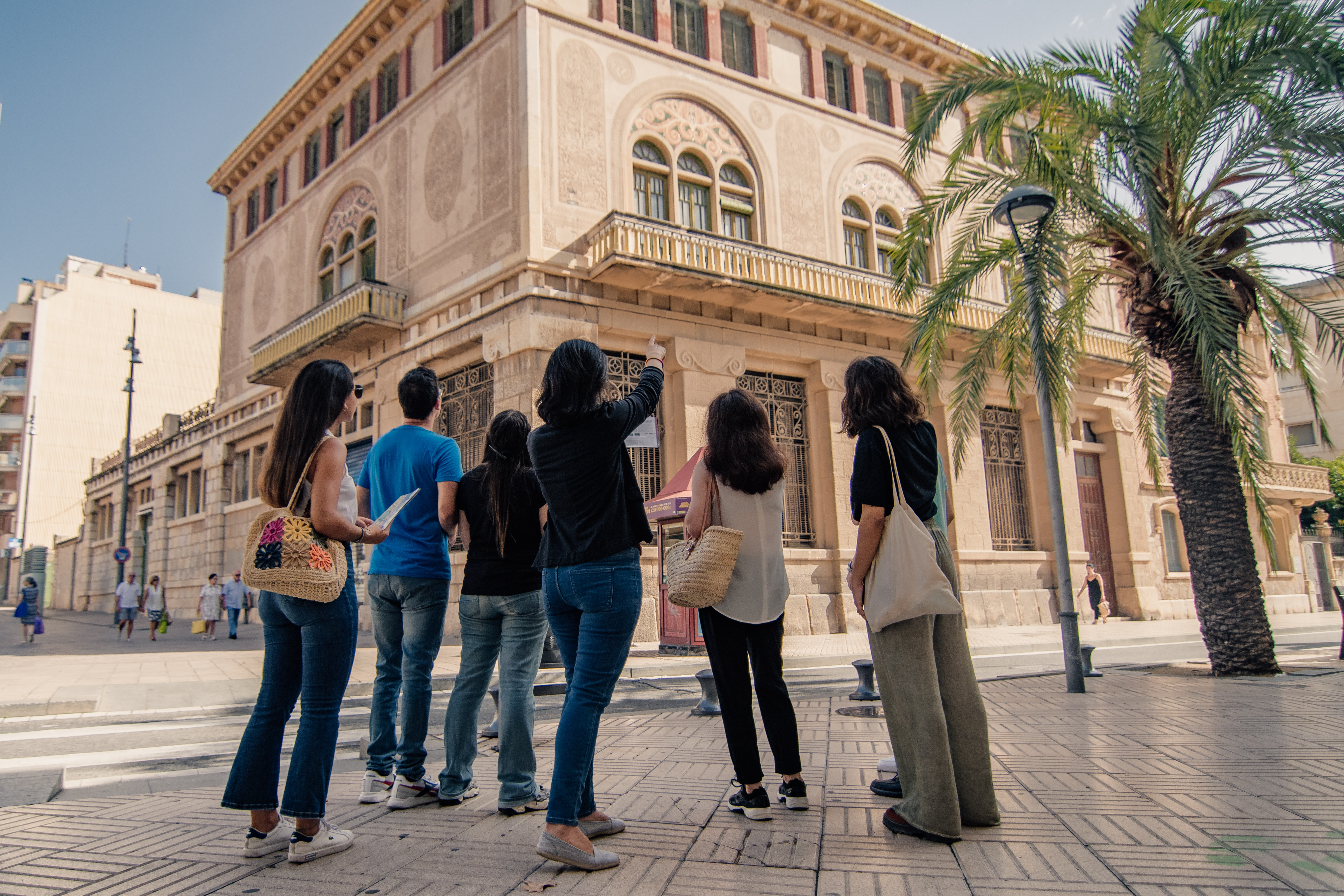
The Costa Daurada city that saw the birth of the brilliant architect Antoni Gaudí has none of his works among its façades, but it does offer a fantastic Modernista route that will not disappoint architecture enthusiasts. Of the more than eighty sites in this style, the Ruta del Modernisme has selected twenty-nine buildings that form an itinerary you can follow independently and that is completely free. An ideal way to see the city's main Modernista jewels.
Each of the houses on the Modernista route has a plaque in front that names it and gives its most relevant details. One of them is the Casa Navàs, designed by the architect Lluís Domènech i Montaner, one of the leading figures of Catalan Modernisme, and built between 1901 and 1907 on the Plaça del Mercadal. It is the only European Modernista building that preserves its whole interior just as it was originally, a jewel in every respect. Don't miss the chance to visit this splendid home, more than two hundred square metres that keep the furniture, decoration and every detail of the period intact.
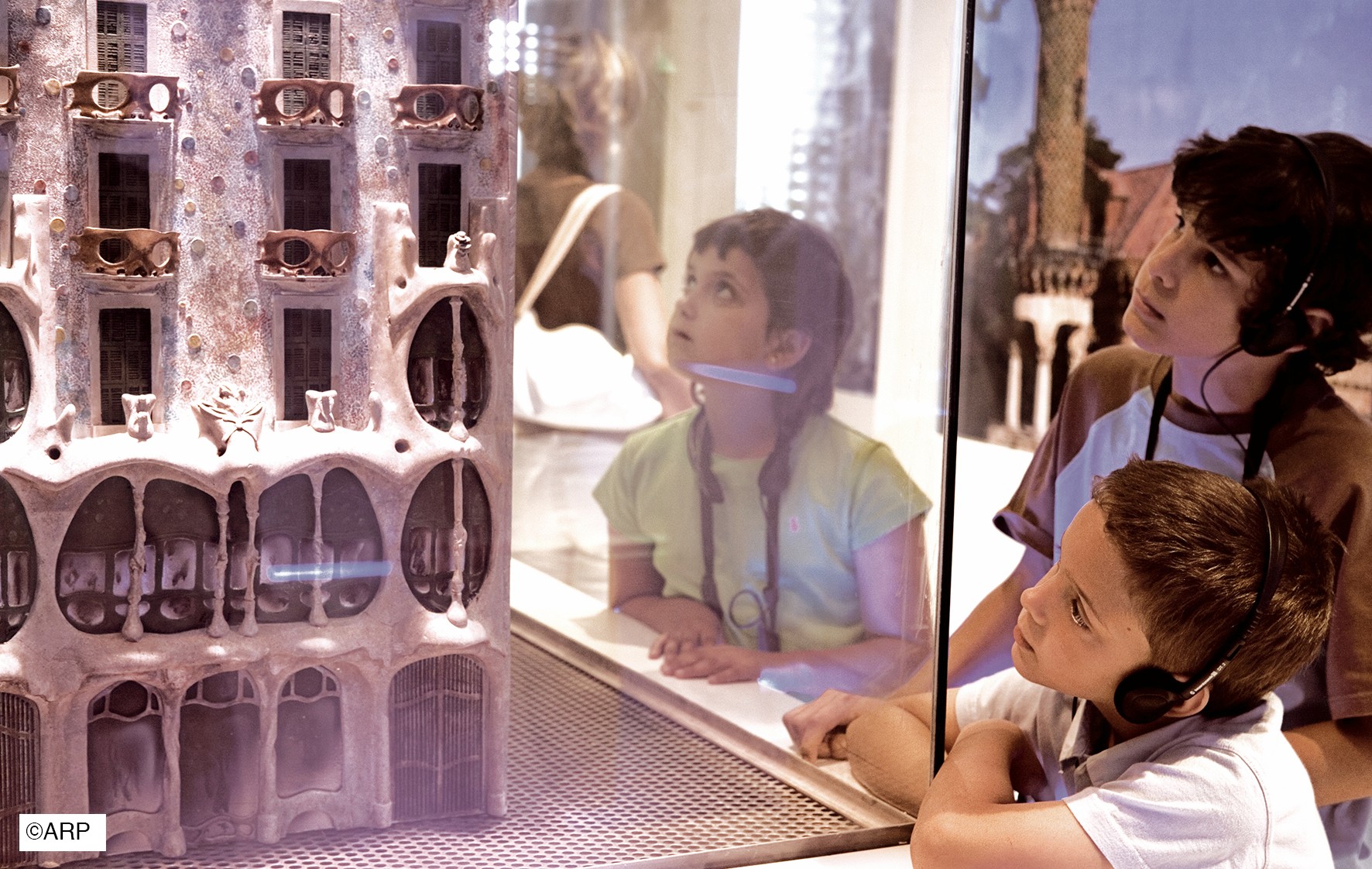
As part of the Ruta del Paisatge dels Genis on the Costa Daurada and the Terres de l'Ebre, Reus has the Gaudí Centre, a tribute to its most universal son and a fascinating interpretation centre on Gaudí's life and work, where you can get to know him better through modern facilities and the latest audiovisual technology.
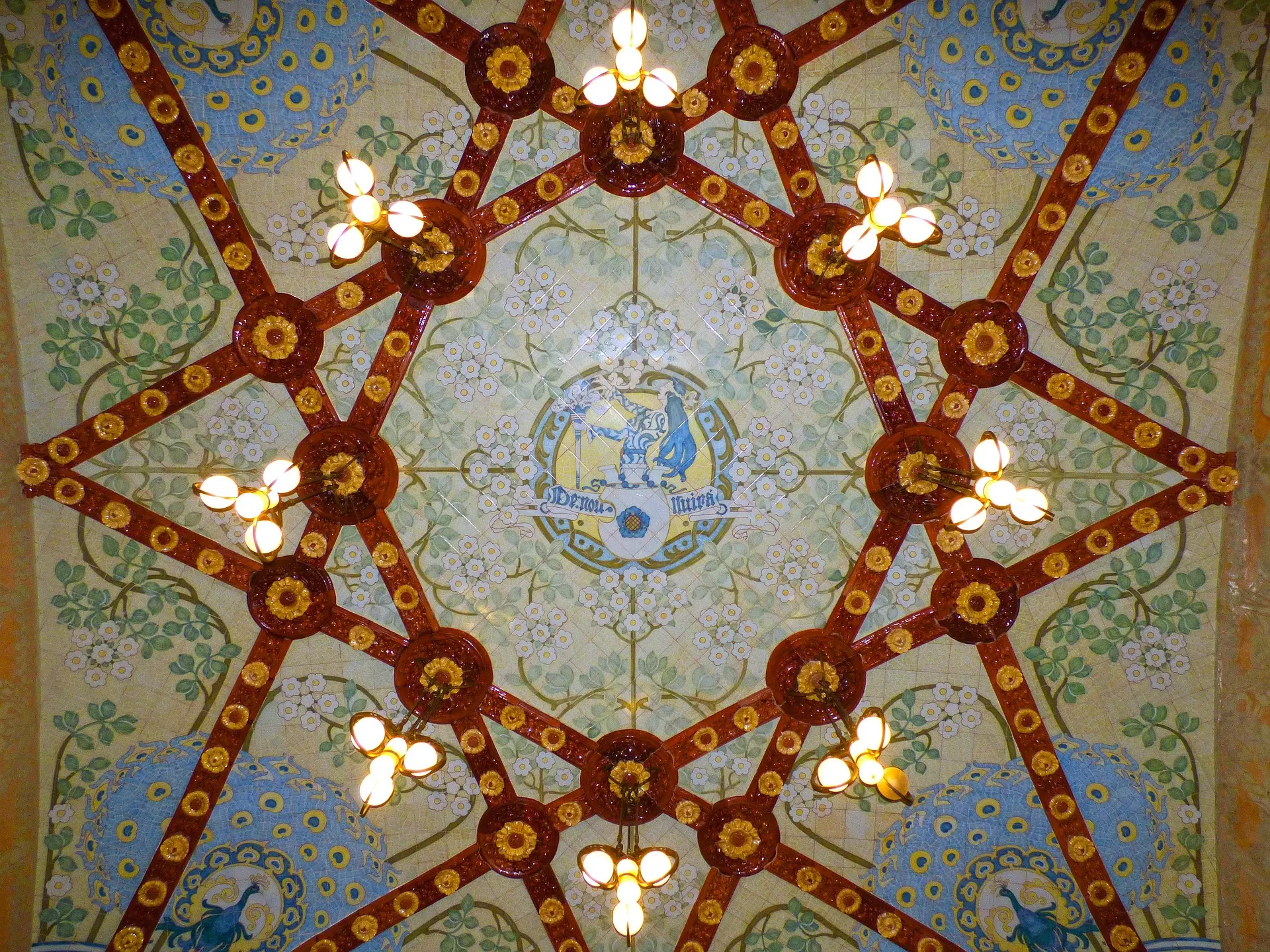
Another Modernista jewel in Reus, also by Domènech i Montaner, is the Institut Pere Mata. It was built on a pavilion layout and was the forerunner of the Hospital de Sant Pau in Barcelona. The 'dels distingits' pavilion has a special wealth of ornament and hosts various cultural events. A place well worth a visit.
And if you go to Reus, you cannot overlook its major weight in the eau-de-vie industry. The Vermouth Route will take you to the emblematic factories that gave Reus vermouth its prestige across Europe and to the establishments devoted to the spirits that gave rise to the famous expression 'Reus, París i Londres' (Reus, Paris and London), since before phylloxera wreaked havoc, the city was one of the three main world markets for setting the price of distilled spirits.
Stop at one of the many terraces in the centre of Reus to enjoy the vermouth ritual. There are plenty of places to choose from, such as the Museu del Vermut, which is also a restaurant and vermouth bar, with an exhibition of more than 6,000 items linked to the history of vermouth.
Enjoy Modernisme and savour the vermouth hour equally, in Reus!