Centelles
Trip ideas

A walk through Tarraco, living history

schedulePrimavera placeAltafulla, Constantí, Tarragona
Photography Centelles
Tarraco, present-day Tarragona, where the Roman heart of the Costa Daurada still beats strongly, invites you on a journey through time to discover the splendour of what was the capital of Roman Hispania, today a World Heritage Site.
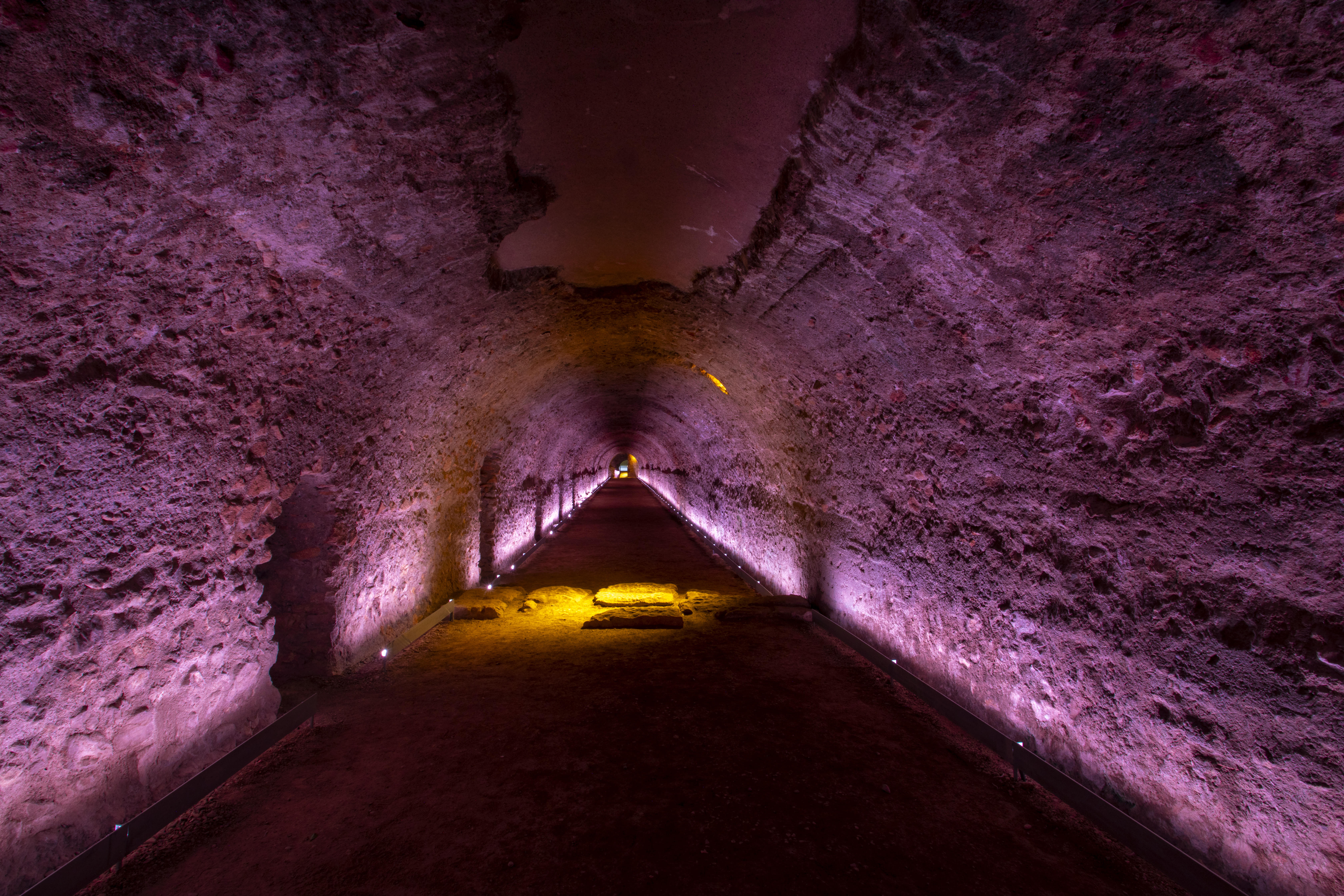
Listen! Can you hear that rumble? It is the races of chariots pulled by two or four horses (bigas or quadrigas) and driven by expert charioteers (riders) who risk glory and life in dizzying elliptical races. When you enter the Roman Circus of Tarraco, the largest entertainment building in the Roman capital, you realise the magnificence of this labyrinthine structure, built at the end of the 1st century AD during the reign of Domitian. Discover all its corners (some parts now converted into restaurants and leisure venues), admire its monumentality and get to know Eutyches and Fuscvs, two of the greatest charioteers of the empire, the equivalent today of the best Formula 1 or MotoGP drivers. Discover all the guided tourist experiences through Roman Tarraco.

On the outskirts of Tarraco stands, imperial, another of the empire's great infrastructures, the Pont del Diable (or Les Ferreres Aqueduct), built in the 1st century to supply water to the Roman city. 217 metres long and 26 high, it was raised with large dry-laid ashlar blocks forming a double line of arches. Today, its surroundings are part of a large ecohistoric park with several routes and activities.

Circ Romà

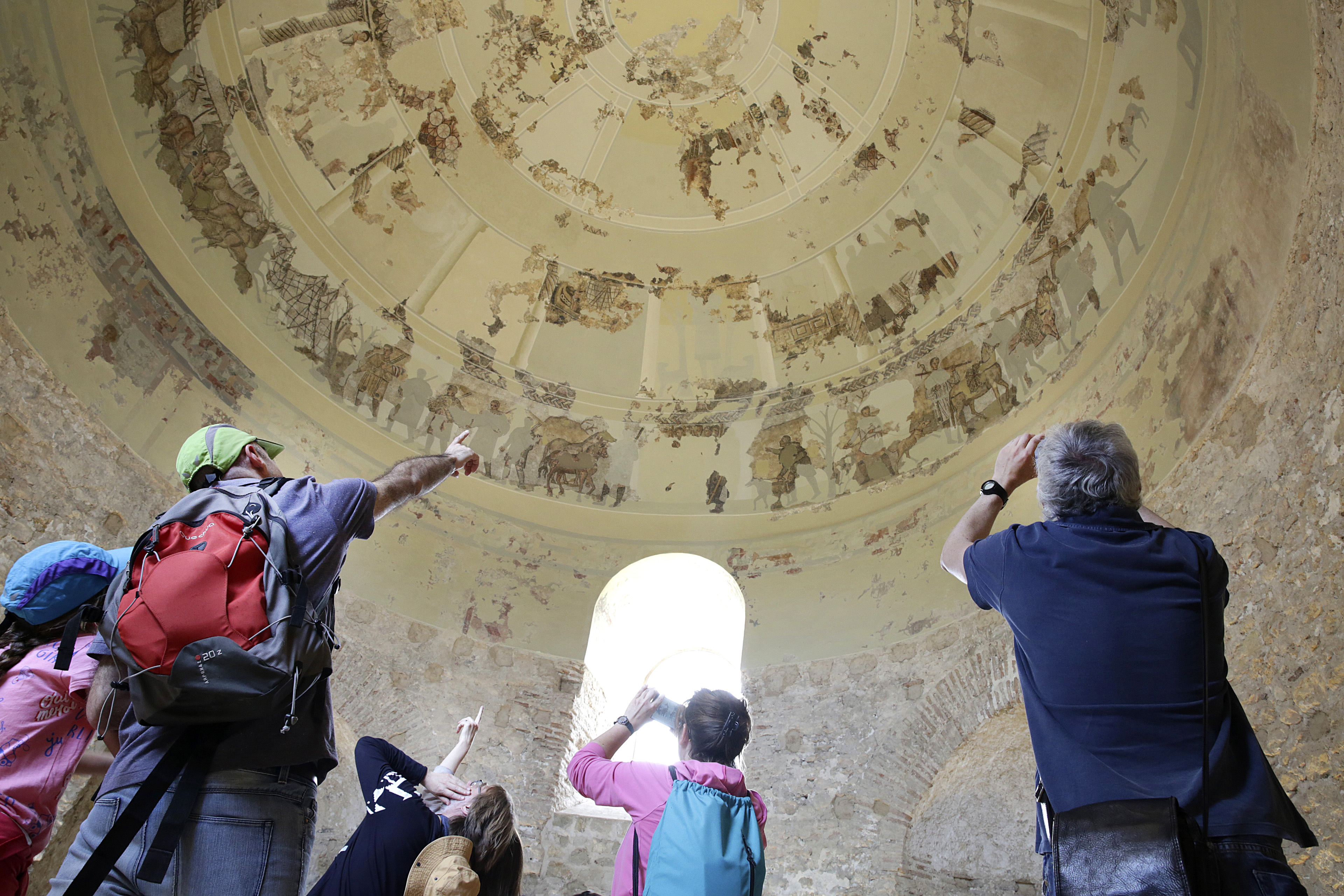
Leaving the Pont del Diable towards Constantí, we recommend visiting the Roman complex of Centcelles, from the 5th century AD, which had a long life until the end of Roman times. A religious building? A mausoleum? An aristocratic villa? A military camp? To this day it is unknown why it was built and what function it had, but it is known that Centcelles was a building of great size and that its architecture was intended to impress the visitor. You can see the magnificence of the two central-plan rooms and admire the extraordinary Christian-themed mosaics that decorate the central dome, of exceptional value. The villa also preserves some old baths.

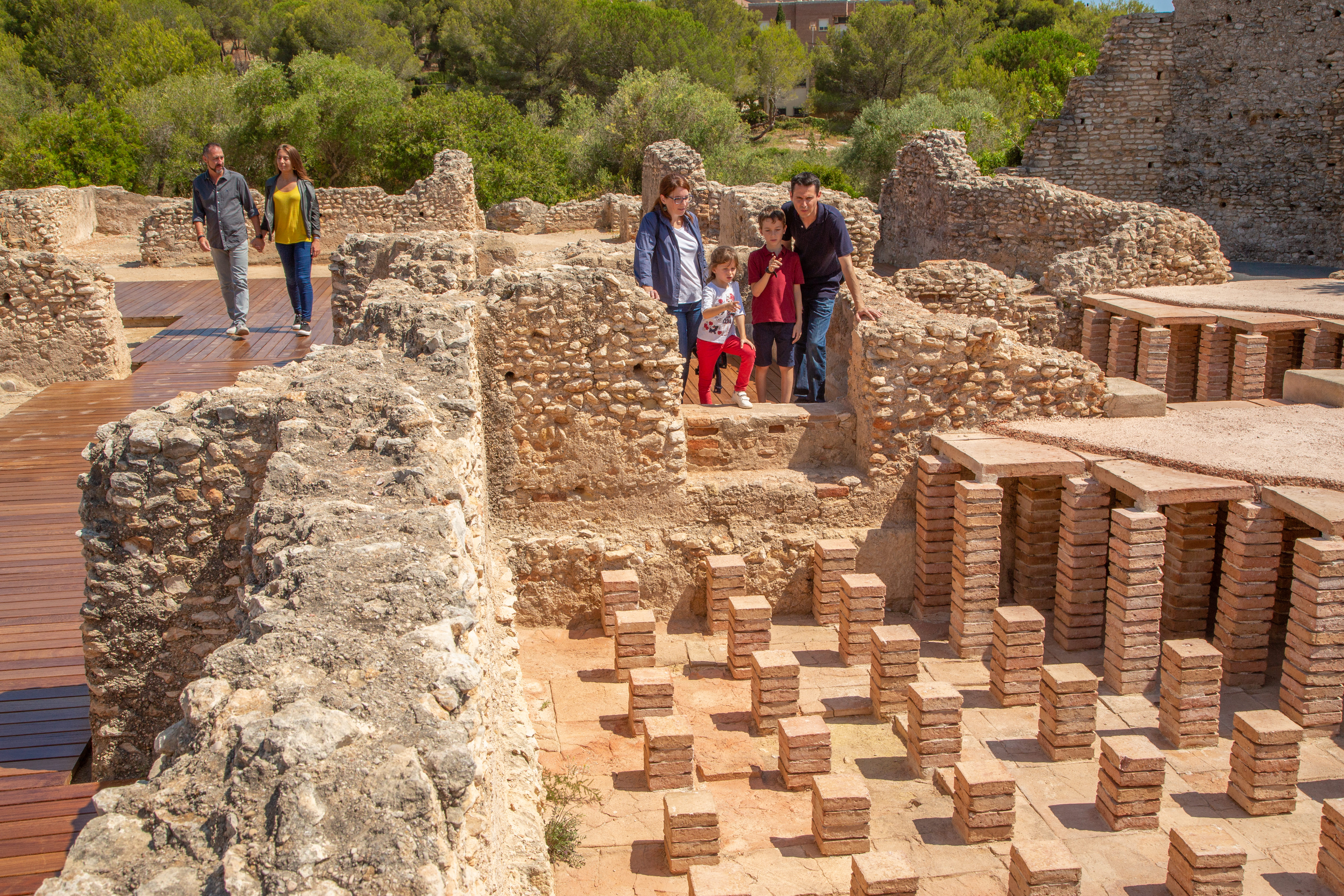
The route ends at another Roman villa on the Costa Daurada, Els Munts, in Altafulla, built in the time of Emperor Augustus, who lived for two years in Tarraco, and considered one of the best-preserved aristocratic villas in Roman Hispania. The villa preserves the residential part with a beautiful set of mosaics and wall paintings, as well as a grand baths complex decorated with mosaics, marble slabs and statuary. Discover what the house was like, designed for the leisure and recreation of the elites of Tarraco. Plan your visit to coincide with a dramatised activity in which Caius Valerius and Faustinus will explain in more detail the moment of Els Munts' greatest splendour.


Els Munts