Become a medieval character at Castell del Catllar
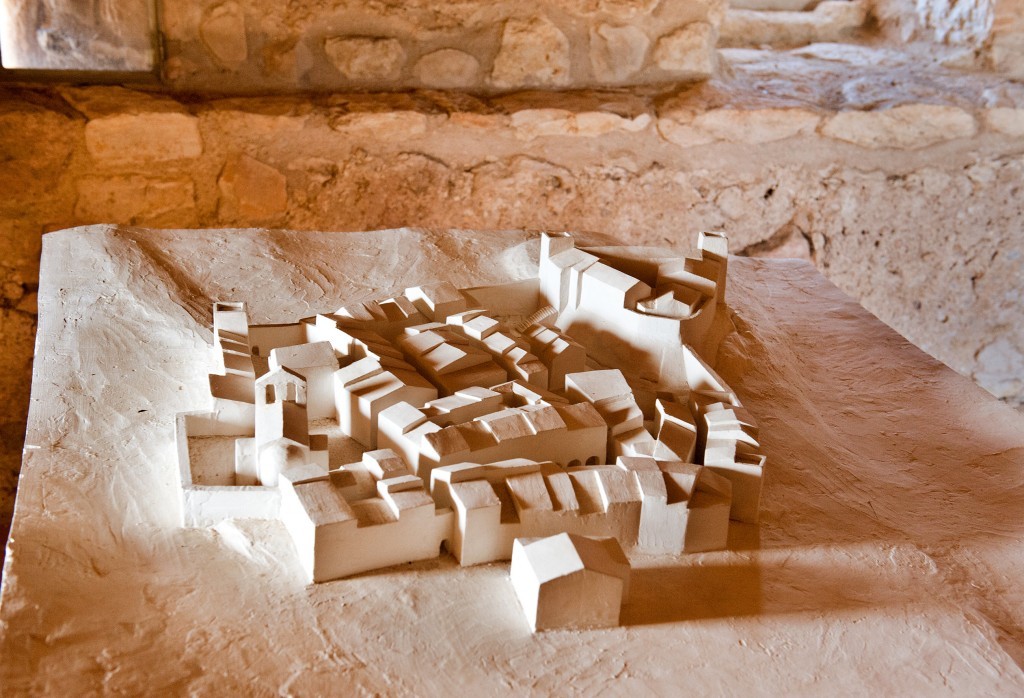
Castell del Catllar stands on the remains of a fortified settlement from the Iron Age (7th-5th centuries BC), on a hill overlooking one of the meanders of the River Gaià.
More information
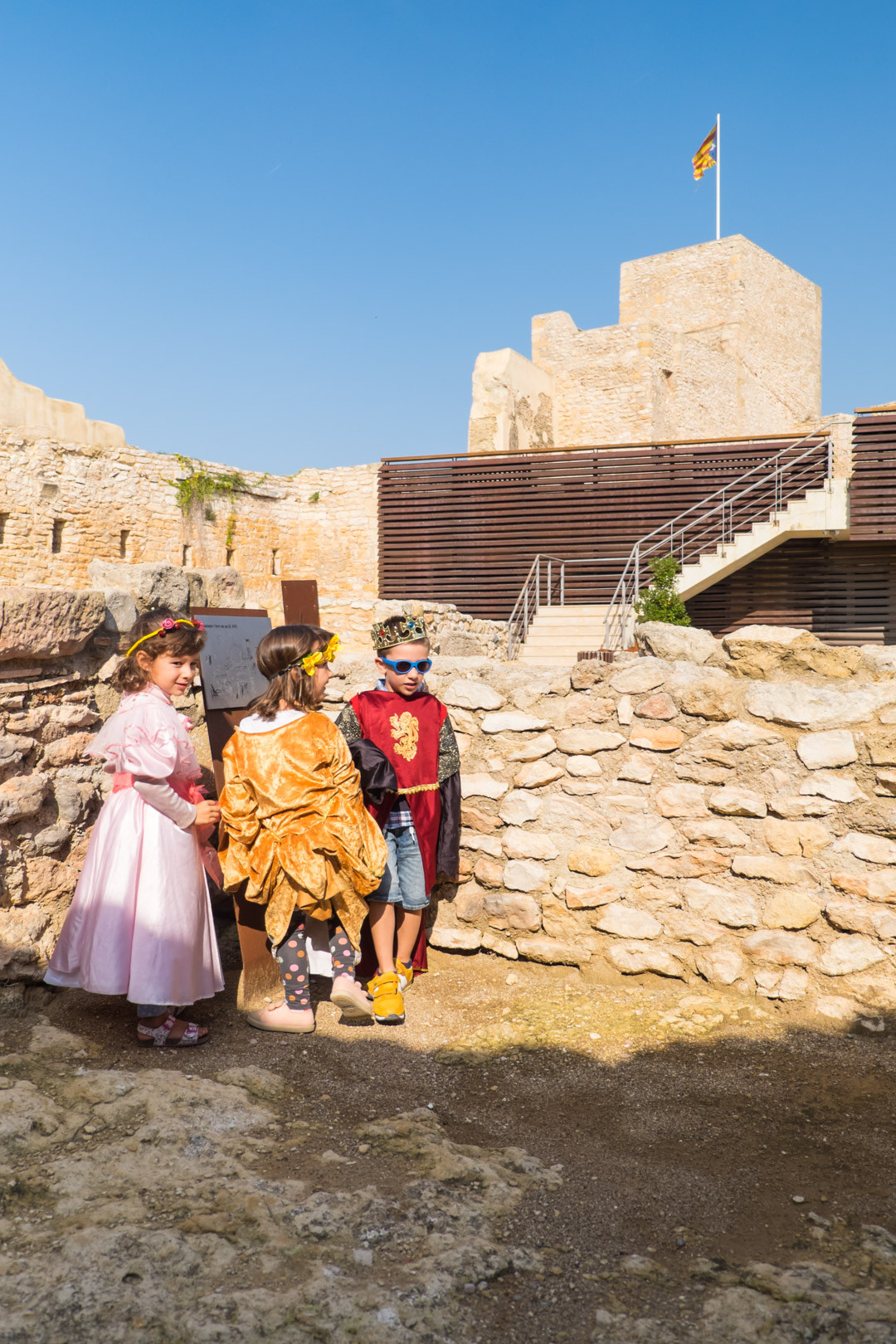
Discover the history and the functions this site has had over the centuries. The little ones will have the chance to become nobles, servants, soldiers or clergy and will be given the challenge of dividing up the tasks according to the rank they are playing. It will be the best way to learn how medieval society was organised.
Depending on the age of the participants, the visit adapts its explanations to make them easier to follow and more entertaining for children.
Have a great family time at the Torre d'en Guiu
The Torre d'en Guiu was once a circular defensive tower belonging to the Gaià defensive line. Although the 11th-century structure has disappeared, today it gives its name to a municipal leisure area that is perfect for a great family outing.
There you will find swimming pools to cool off and have fun in, a restaurant, several tennis courts for sport and a wooded area with a children's playground.
A walk around the River Gai�
Enjoy a nature reserve setting while getting some exercise. That is what the route around the River Gaià offers, which you can walk from El Catllar. A 1.1 km route, accessible to everyone, that will take you from the Torre d'en Guiu to the old railway bridge.
The route also lets you discover la Fàbrica, two factory buildings from the first half of the 18th century and from 1860 that are magnificent examples of industrial architecture.
The El Catllar reservoir: a hike or mountain bike ride
El Catllar is a municipality surrounded by natural and scenic places of interest. For example, when you visit you can head to the El Catllar reservoir, a reservoir next to the municipalities of Renau and Vespella de Gaià. You can also take a hike or mountain bike ride that will also take you to La Plana, where a small pond forms at certain times of the year, and to Mas Pasqual, along paths lined with dry-stone walls and through dry-farmed crops.