Mountains of Prades + Escornalbou + Reus
Nature, castle and modernism
Five days combining the nature of the Prades Mountains, the historic Escornalbou and the modernism of Reus.
- Day 1
- Day 2
- Day 3
- Day 4
- Day 5
Mountains of Prades + Escornalbou + Reus
Prades
Stop 1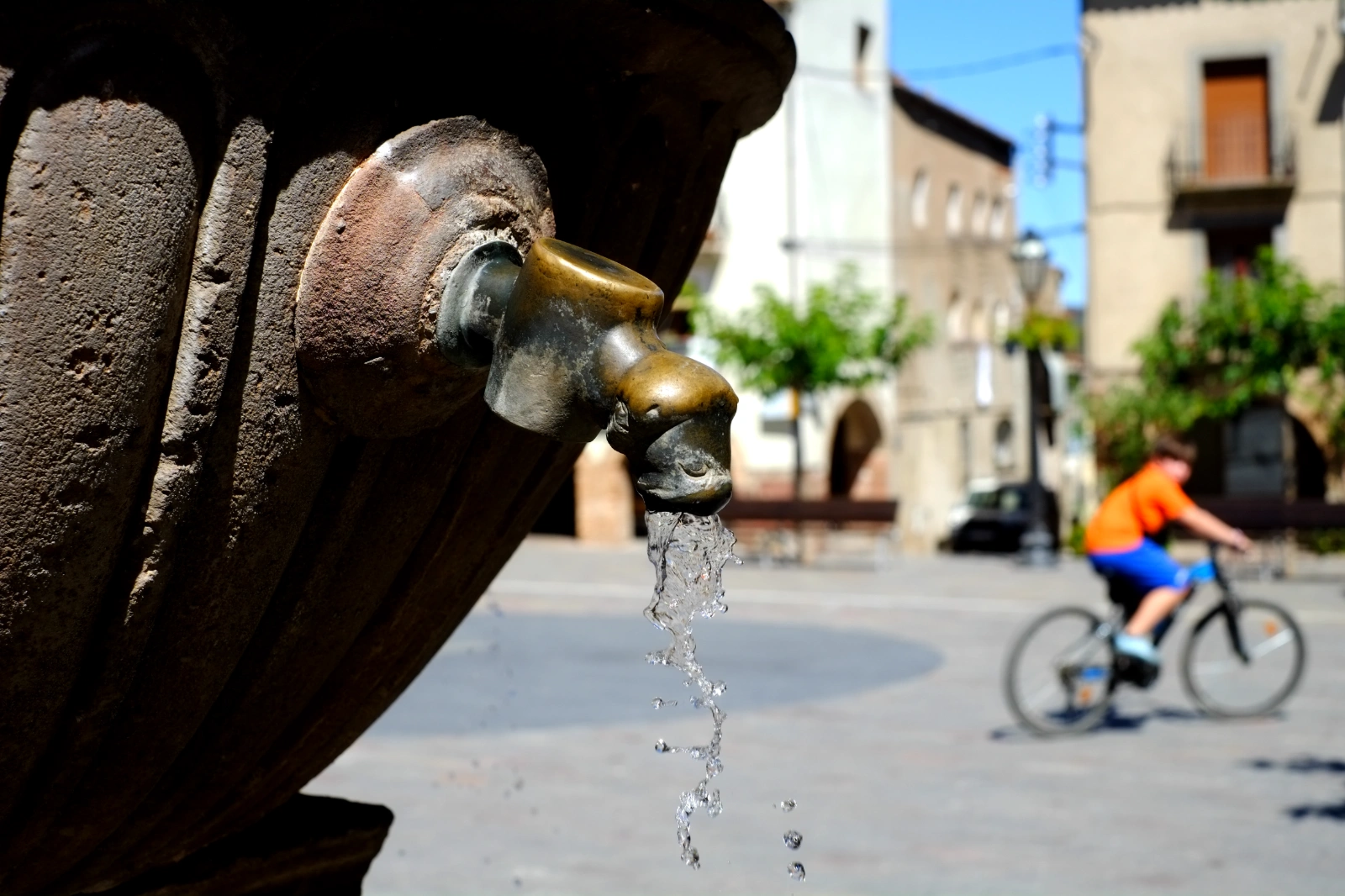
Red Village
Village of Prades, called the 'red village' because of the colour of the stone.
Afternoon · Hermitage of l'Abellera
Stop 2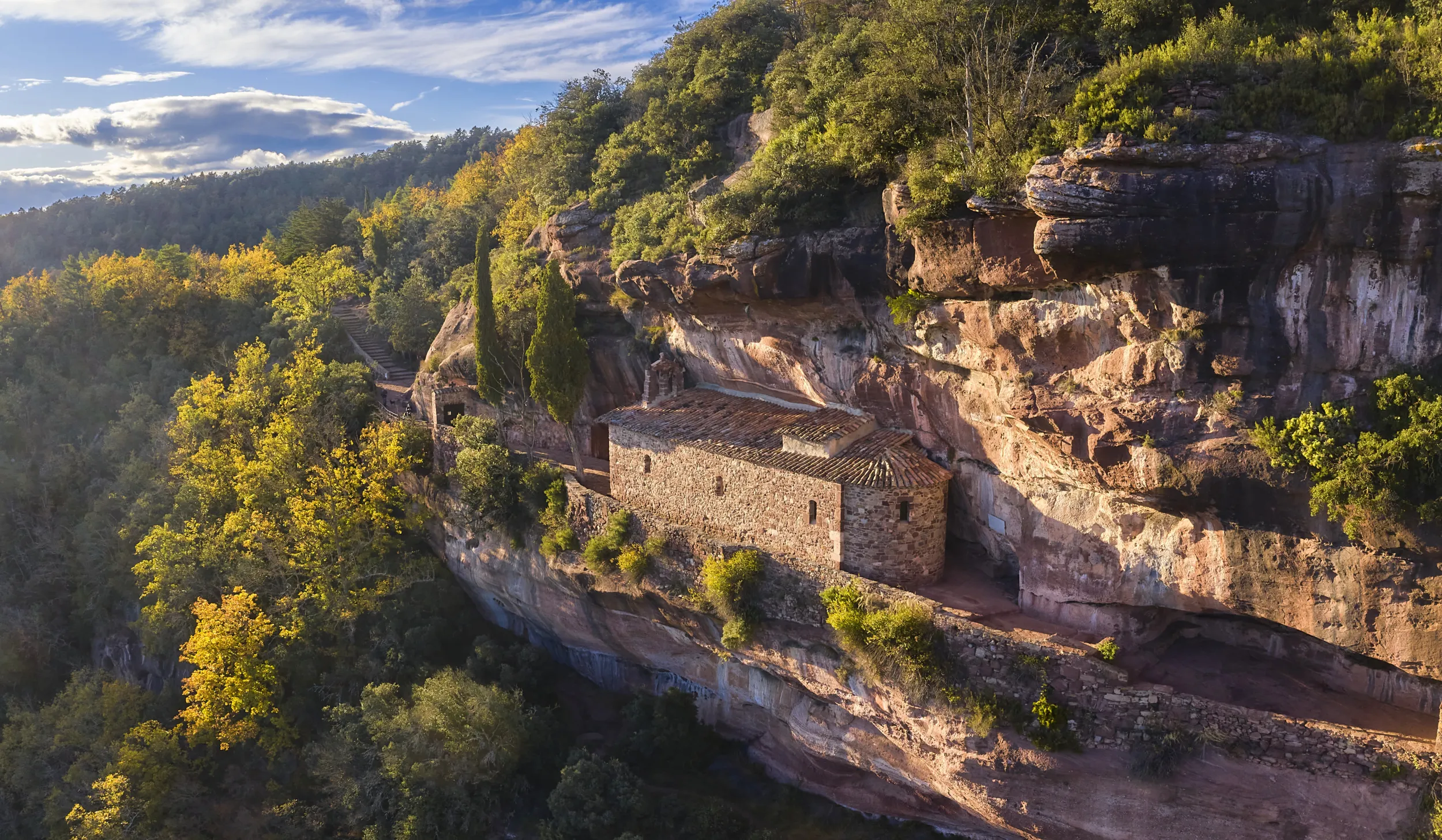
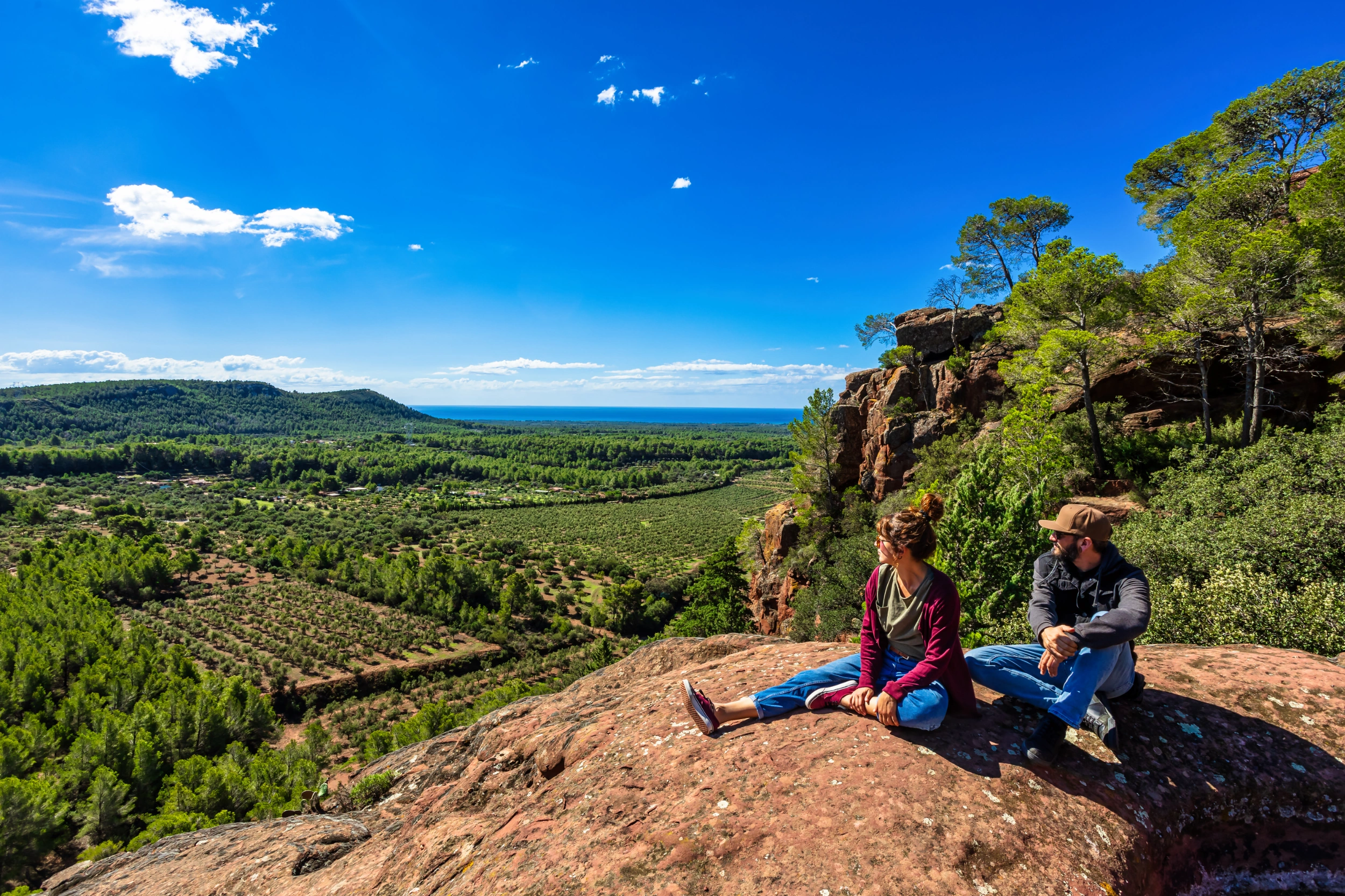
A refuge beneath the rock
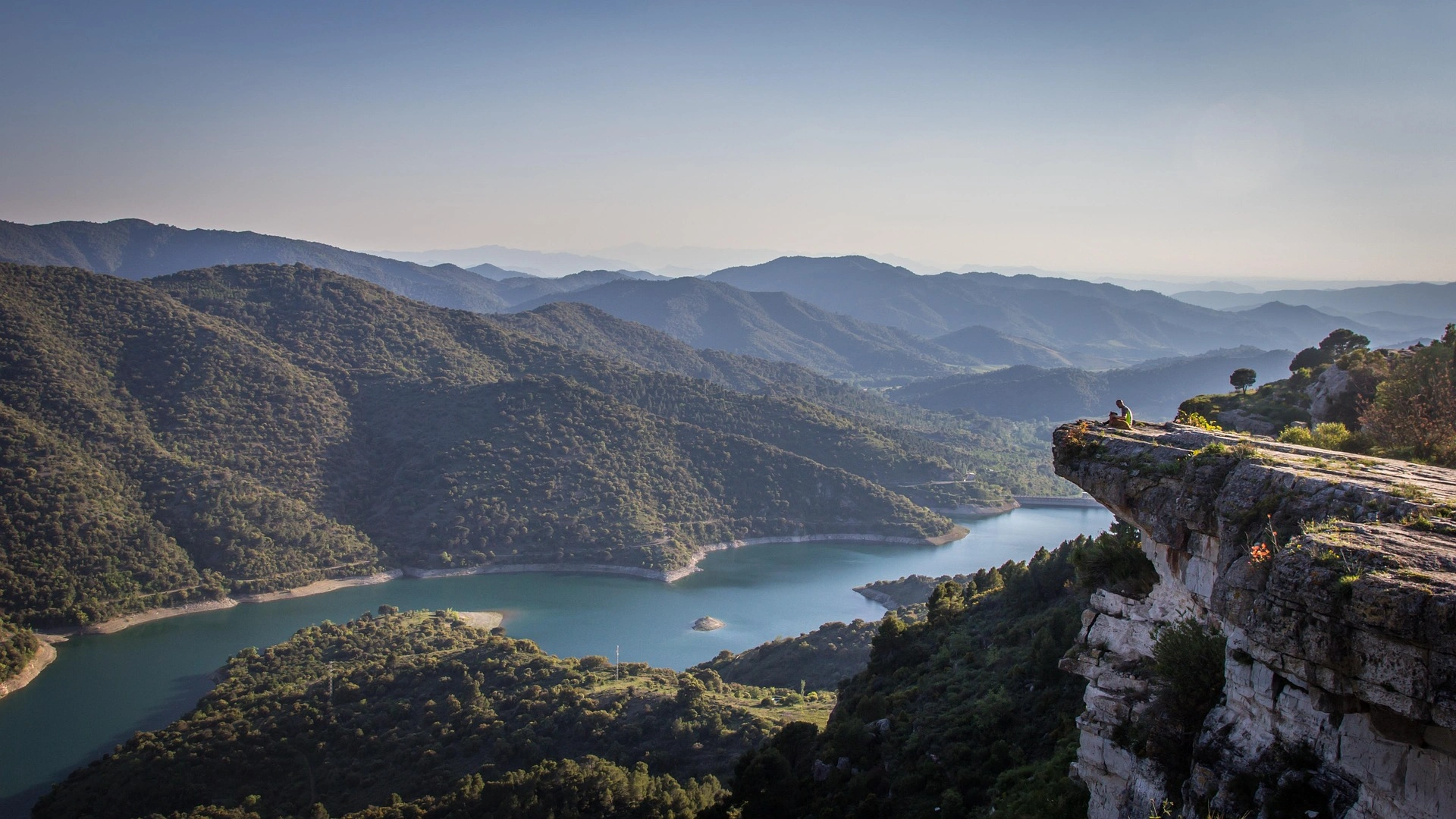
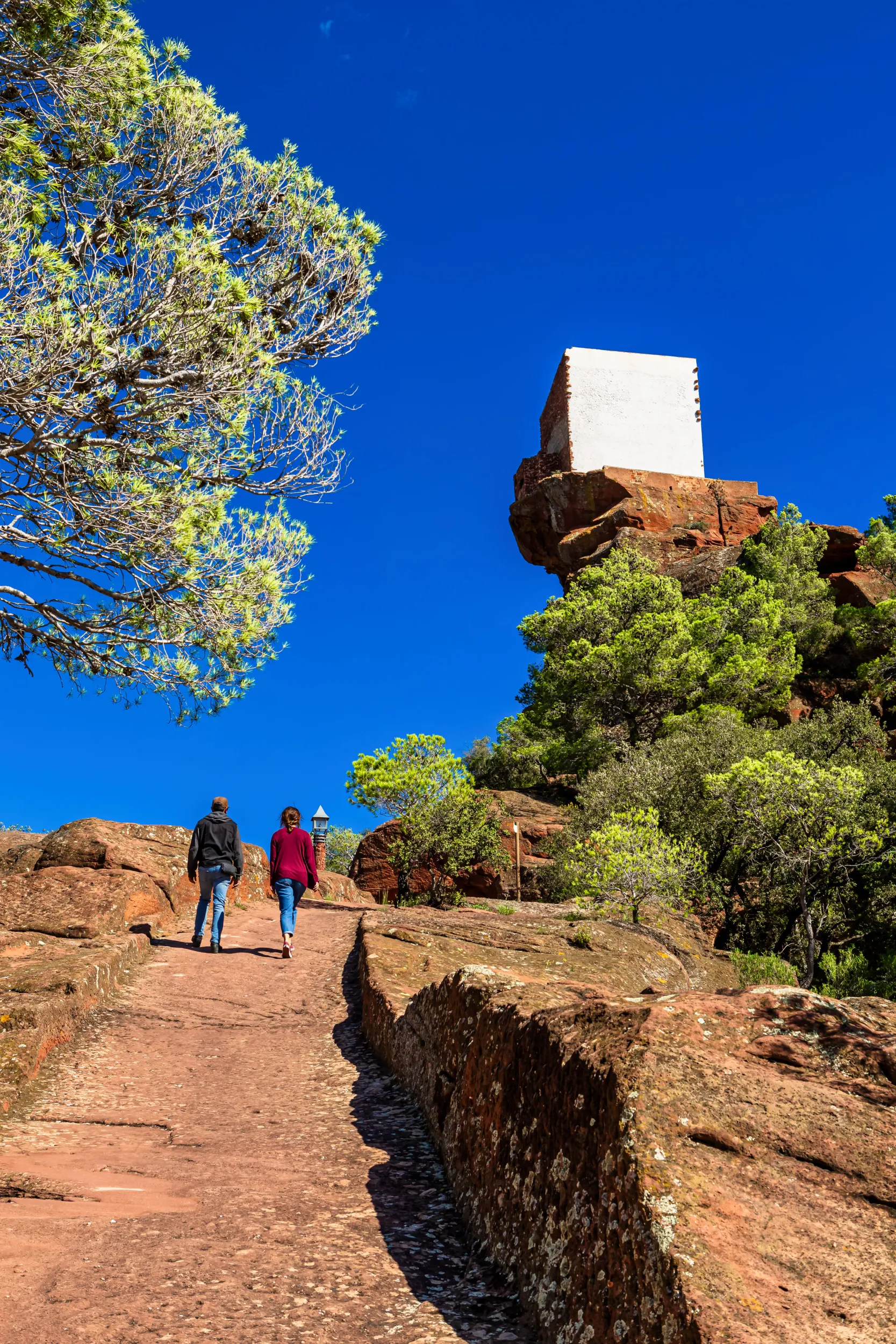
A path through the forest leads to l’Abellera, wedged beneath a great overhanging rock and open to a mountain panorama that invites you to linger a while before returning to Prades.
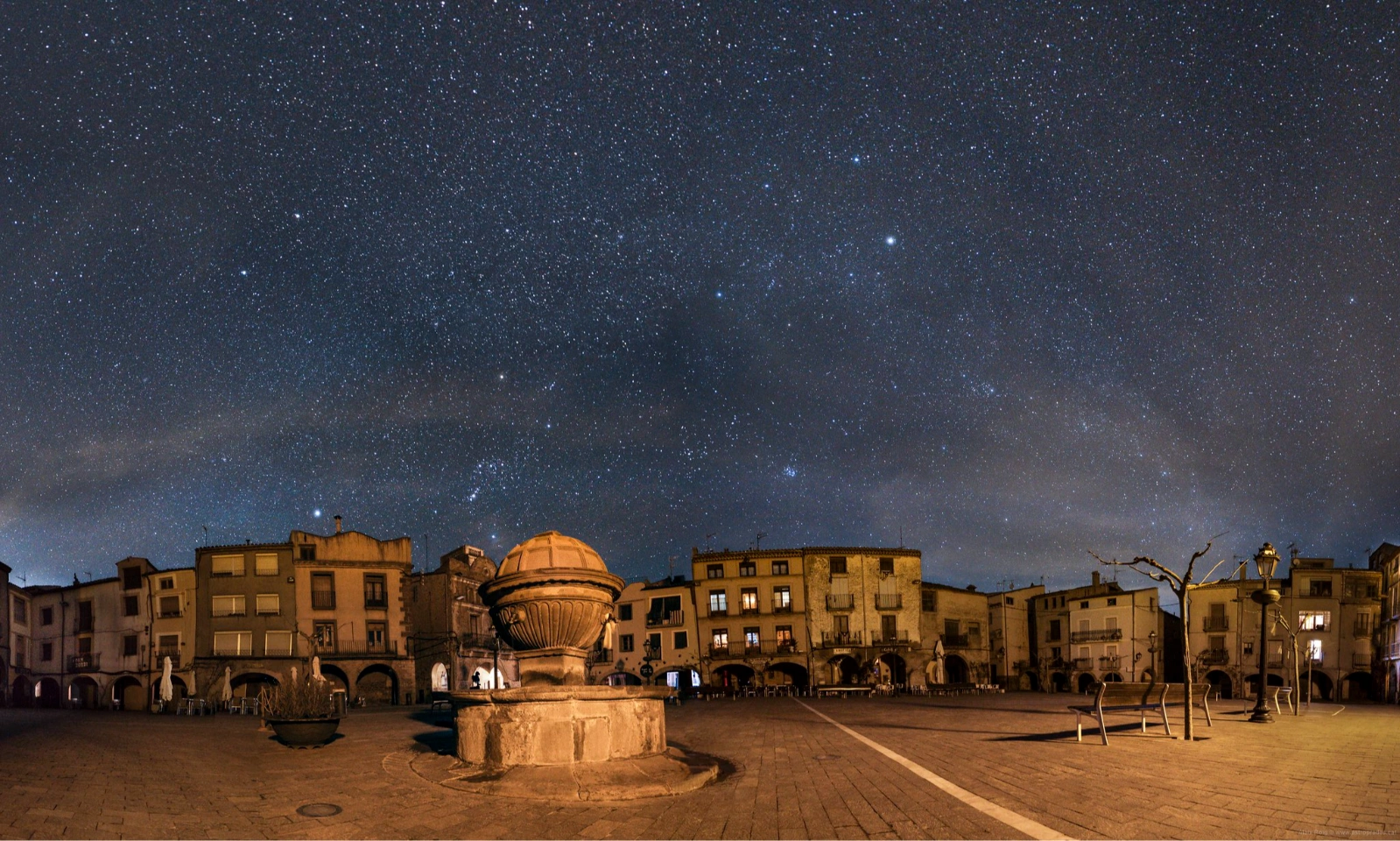
When the sky becomes landscape
When night falls, your gaze changes direction. Planetarium, telescopes and constellations turn the dark sky of Prades into the day's final great landscape.
Morning · Siurana
Stop 1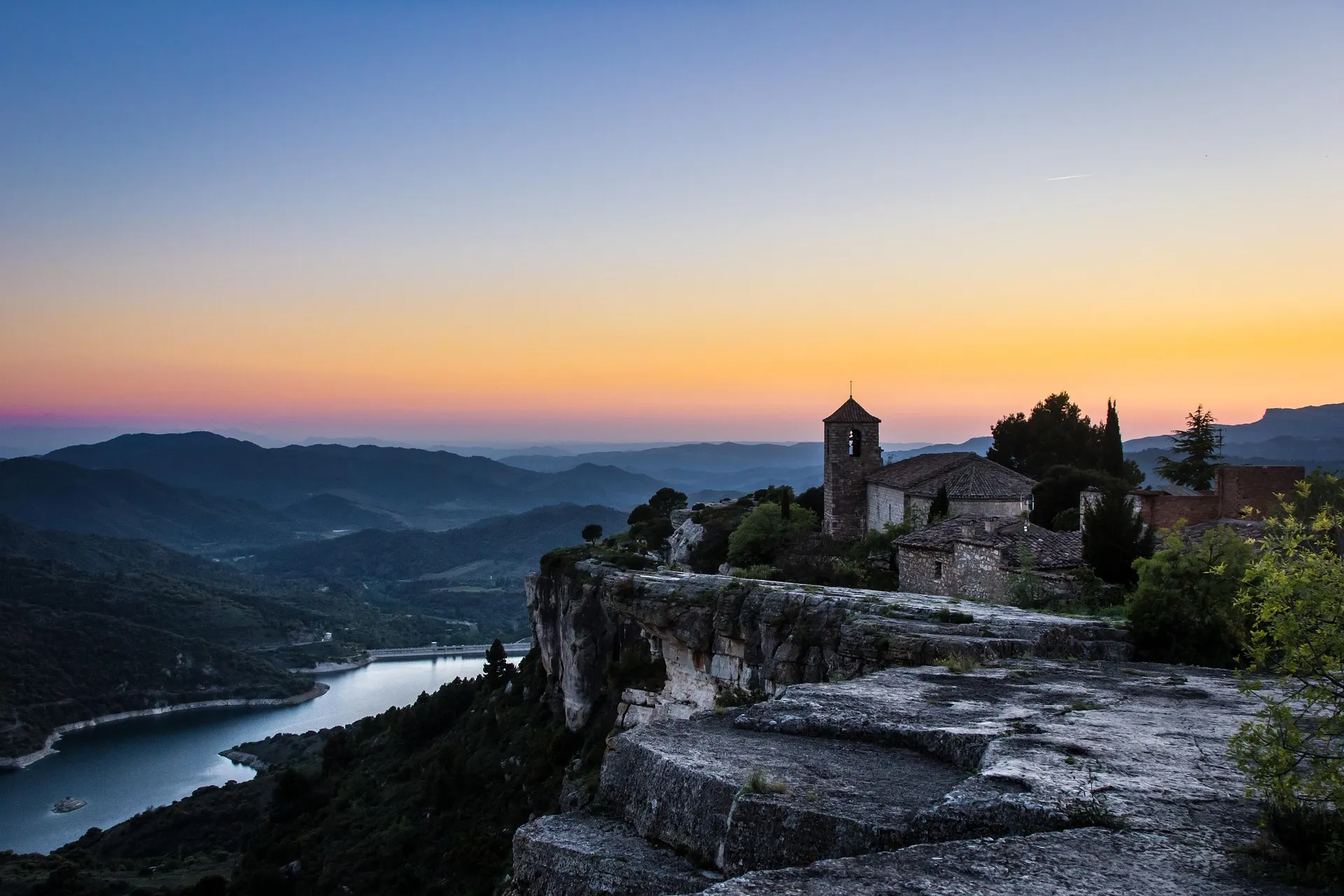
A village above the abyss
The stone streets suddenly emerge onto cliffs and viewpoints open over the valley. Siurana is best explored unhurriedly, among its Romanesque church, the remains of the castle and one of the most spectacular panoramas in the interior of the Costa Daurada.
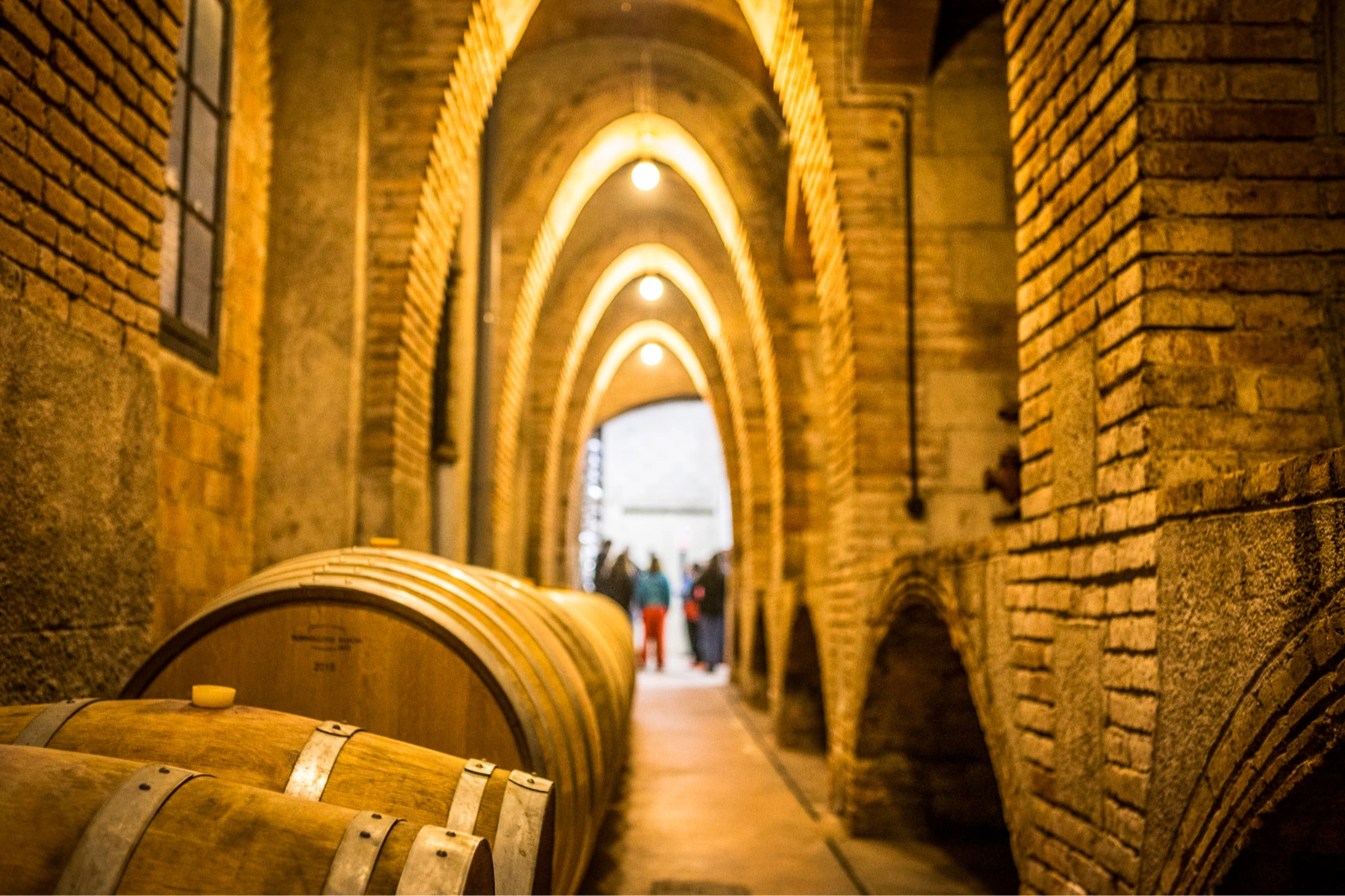
Modernisme among the vineyards
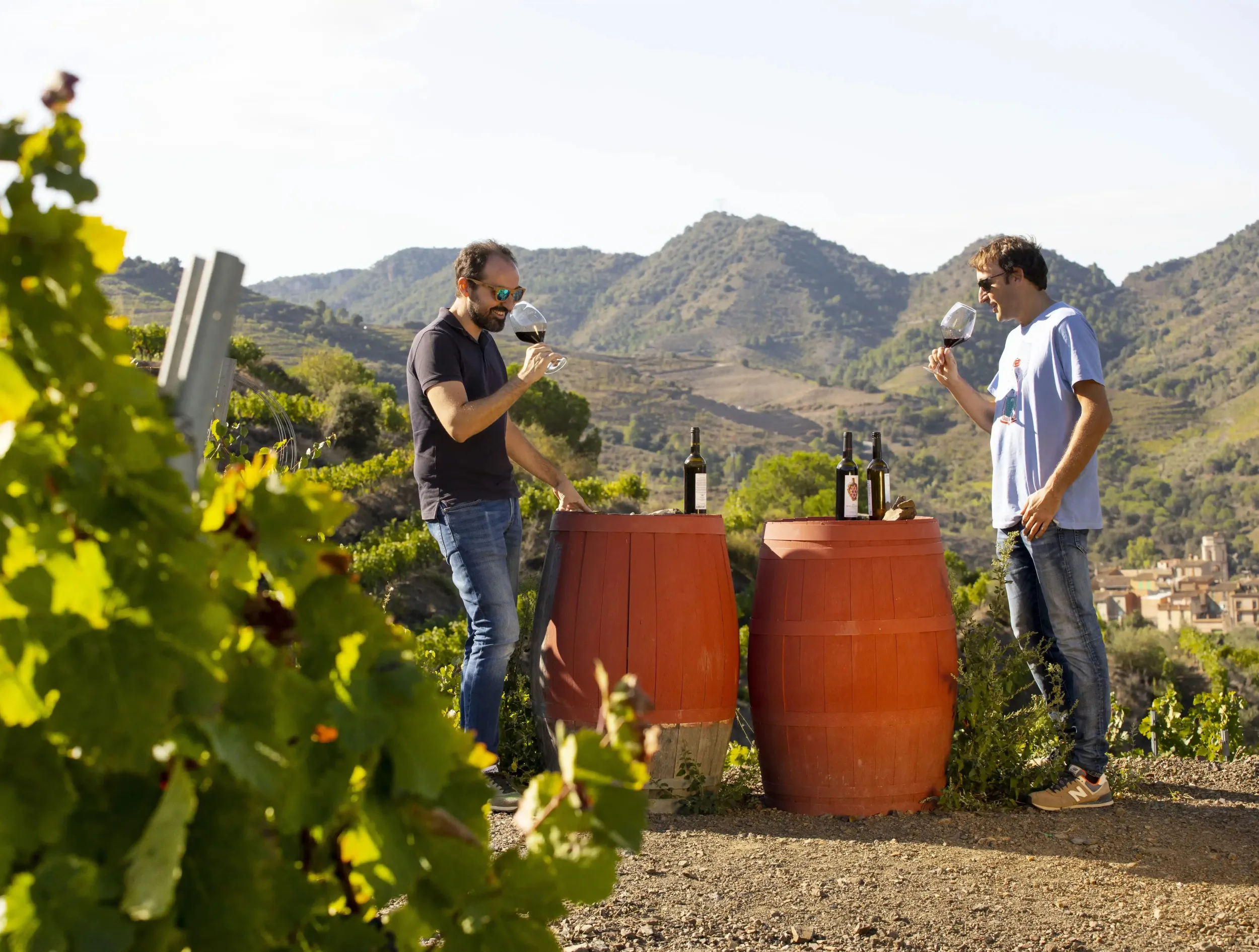
The road descends to Cornudella and swaps rock for vineyards. Here, the Celler Cooperatiu by Cèsar Martinell brings Modernista architecture to a land deeply tied to the wine of the DO Montsant.
Afternoon · Albarca
Stop 2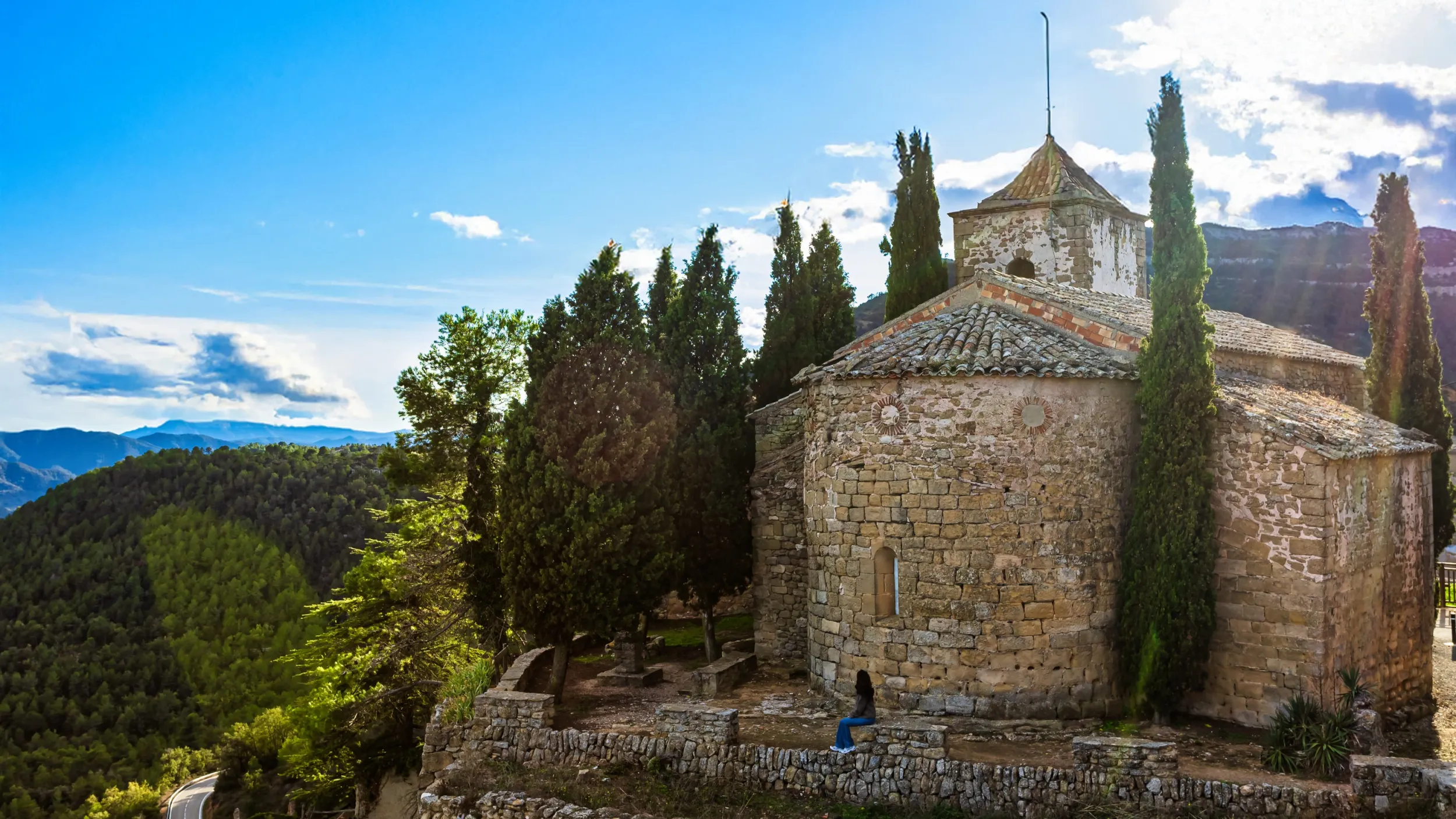
Silence at the foot of the Montsant
A few kilometres on, the pace slows again. Albarca preserves the essence of a small, almost uninhabited mountain village, with the Romanesque apse of its church and the Montsant rising right behind it.
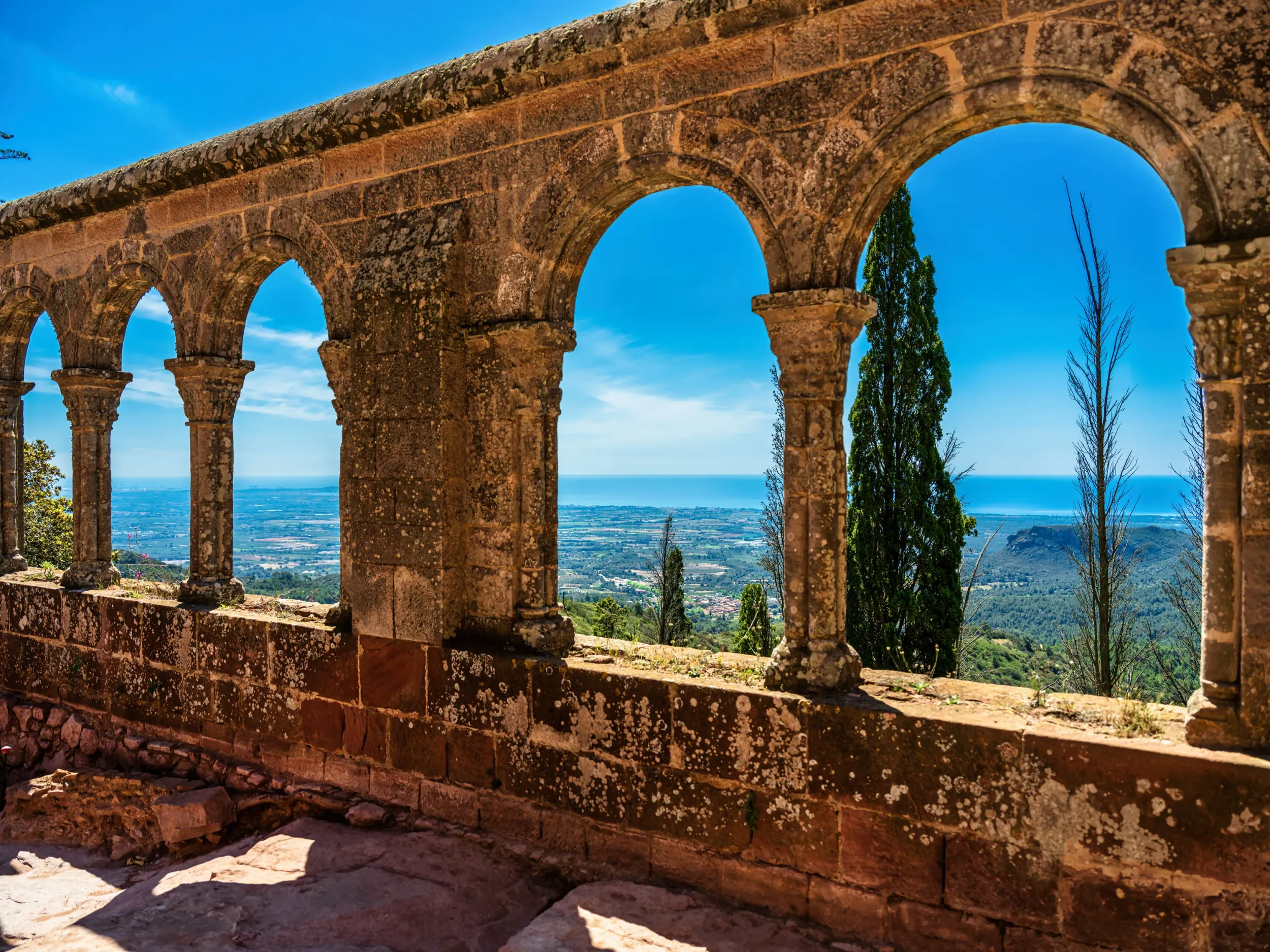
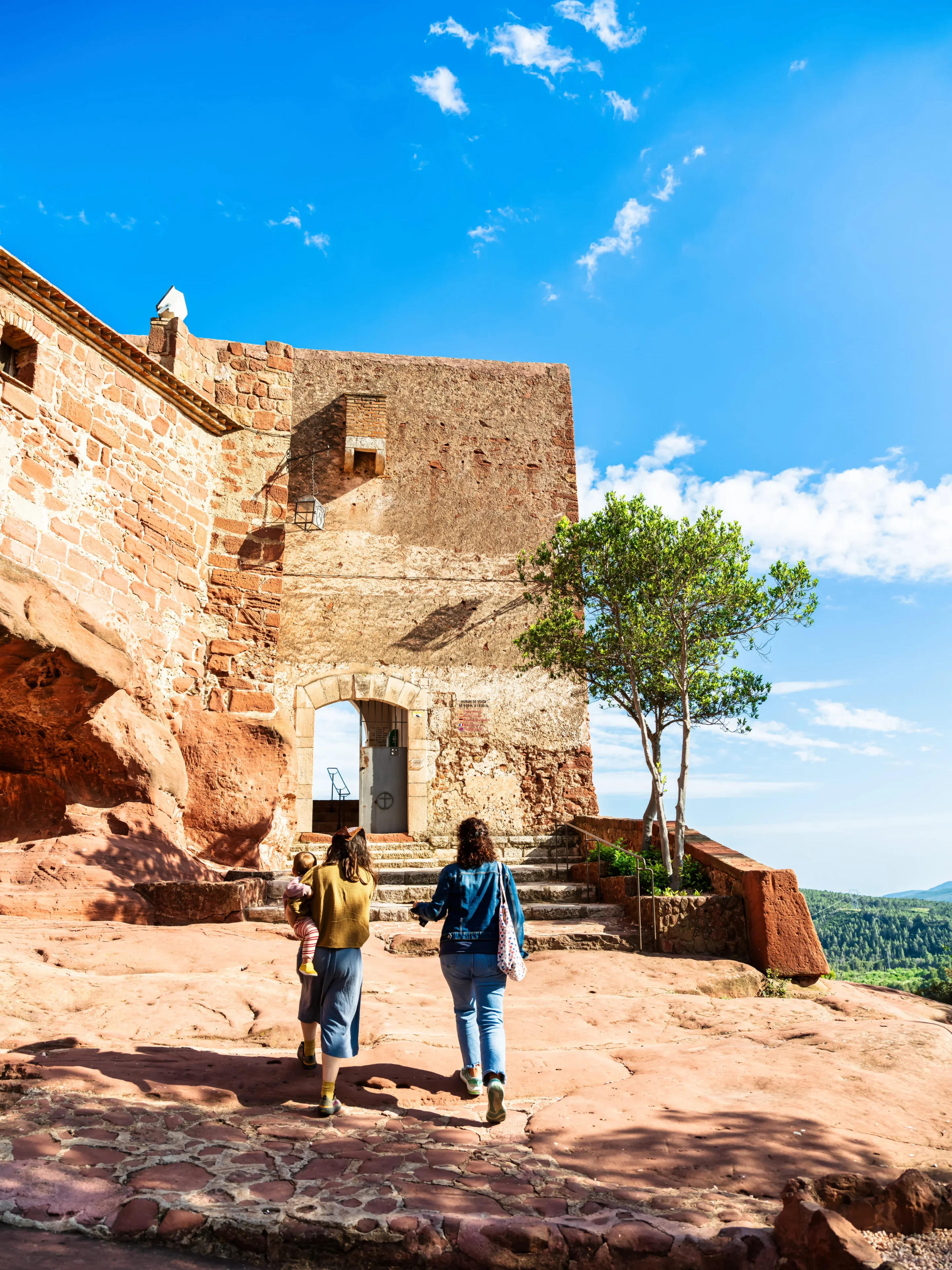
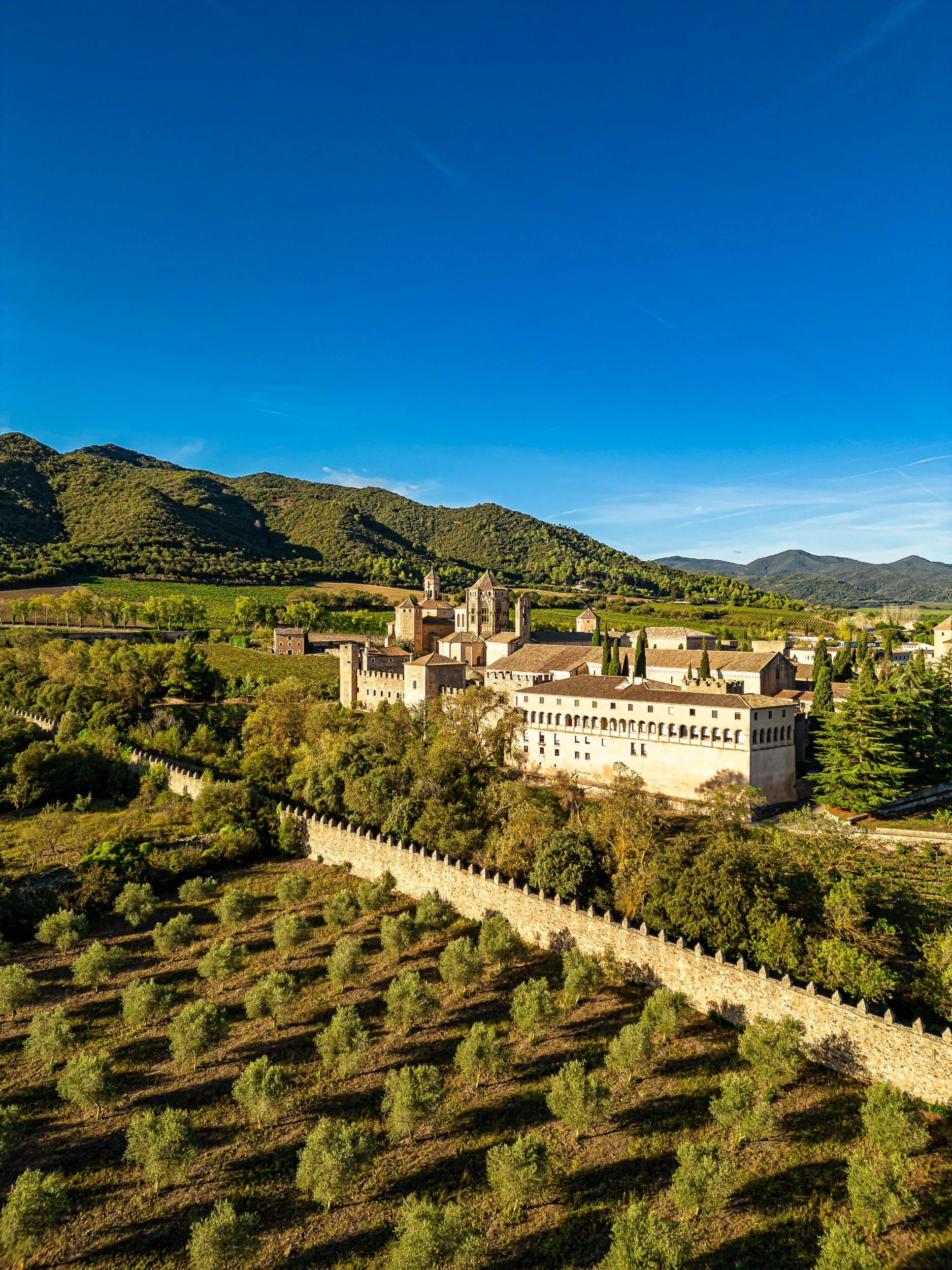
A stately home within medieval walls
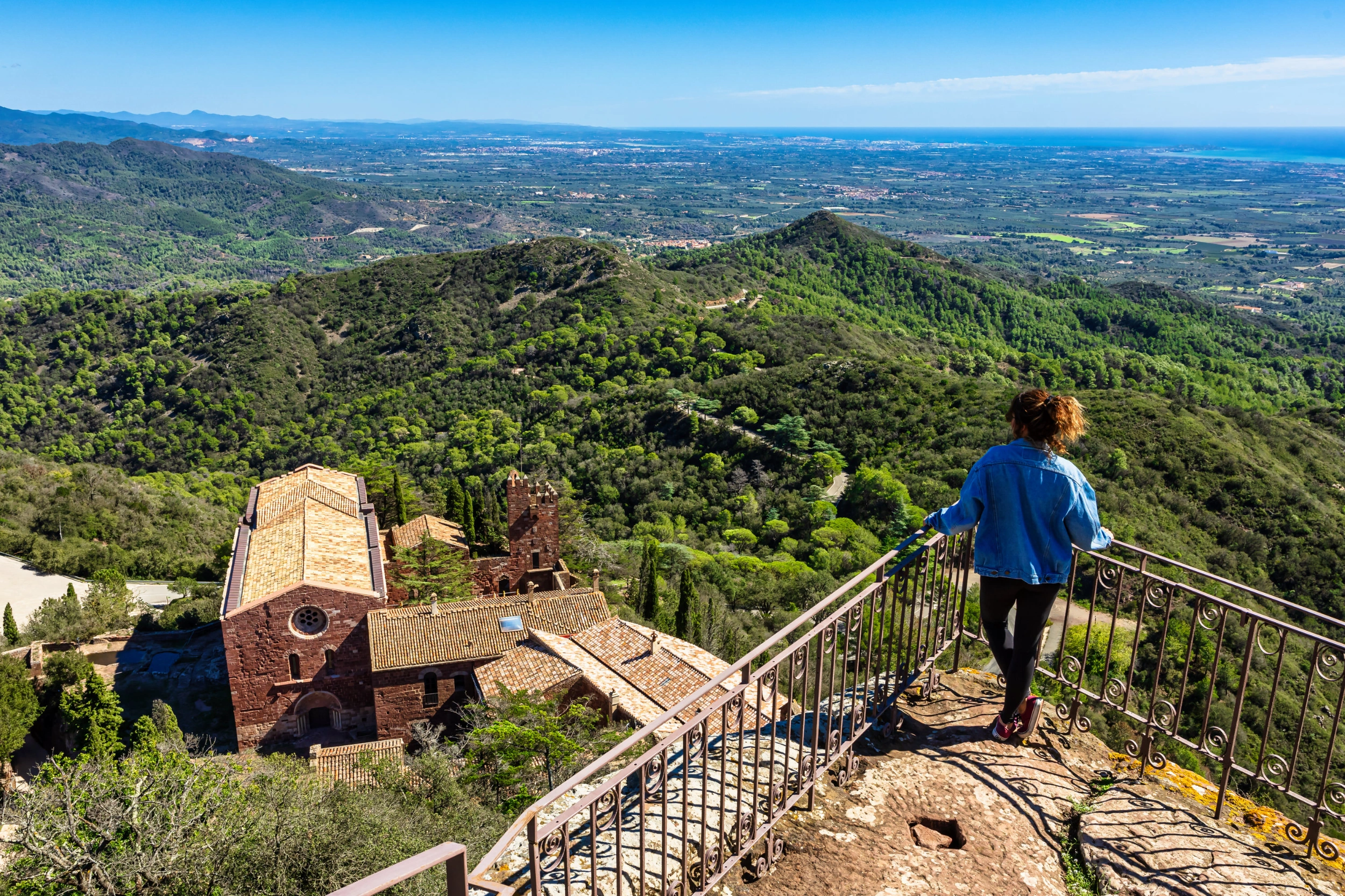
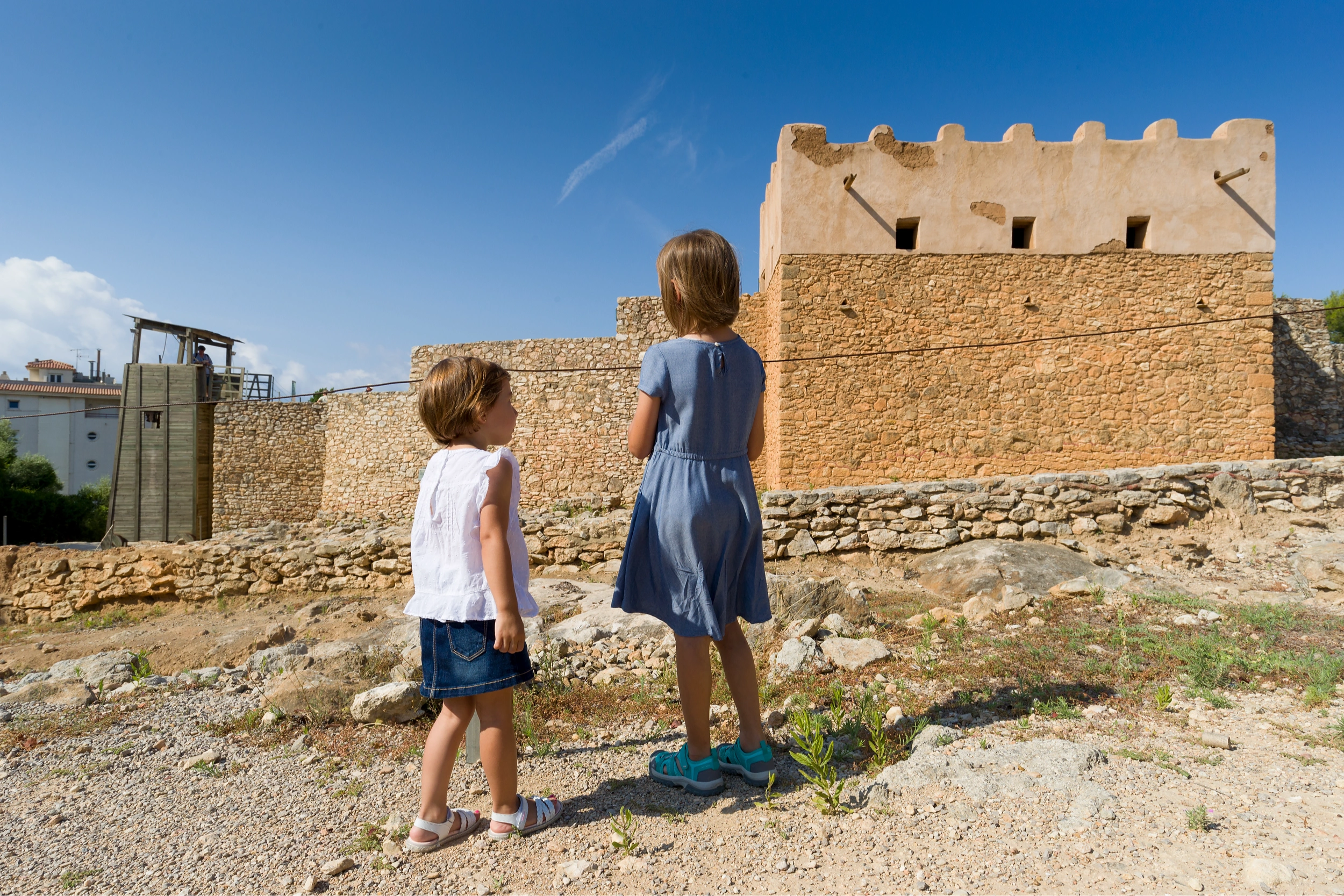
Pass through the gates of Escornalbou and step into the world of Eduard Toda, who in the early 20th century turned the old monastery of Sant Miquel into a singular residence full of books, collections and mementoes of his travels.
Afternoon · Passeig dels Frares and Santa Bàrbara
Stop 2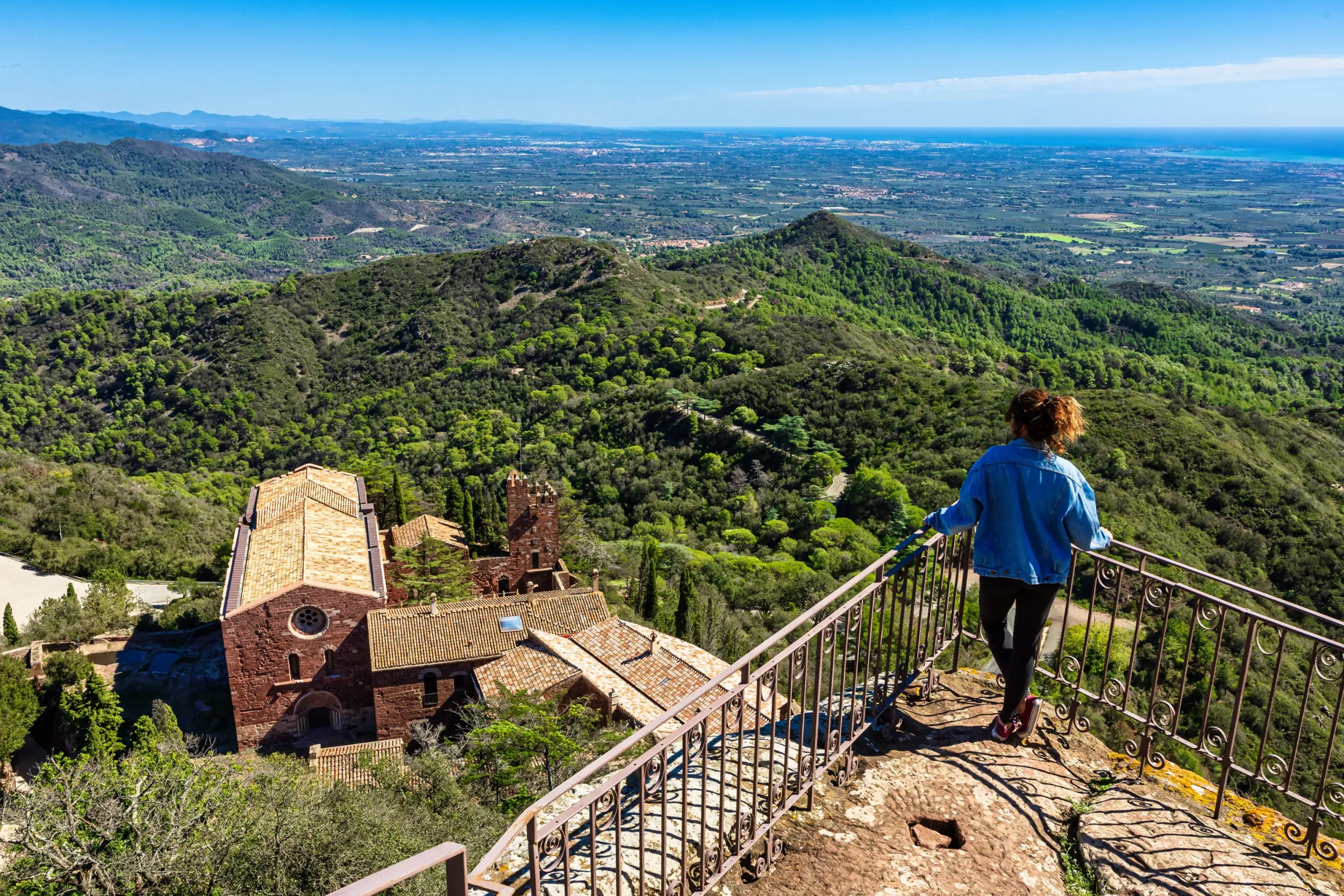
The Camp de Tarragona at your feet
After the visit, the path opens out among pines and holm oaks. The Passeig dels Frares offers ever wider views before climbing to Santa Bàrbara, the highest point of Escornalbou and a natural balcony over the Camp de Tarragona.
Morning · Institut Pere Mata
Stop 1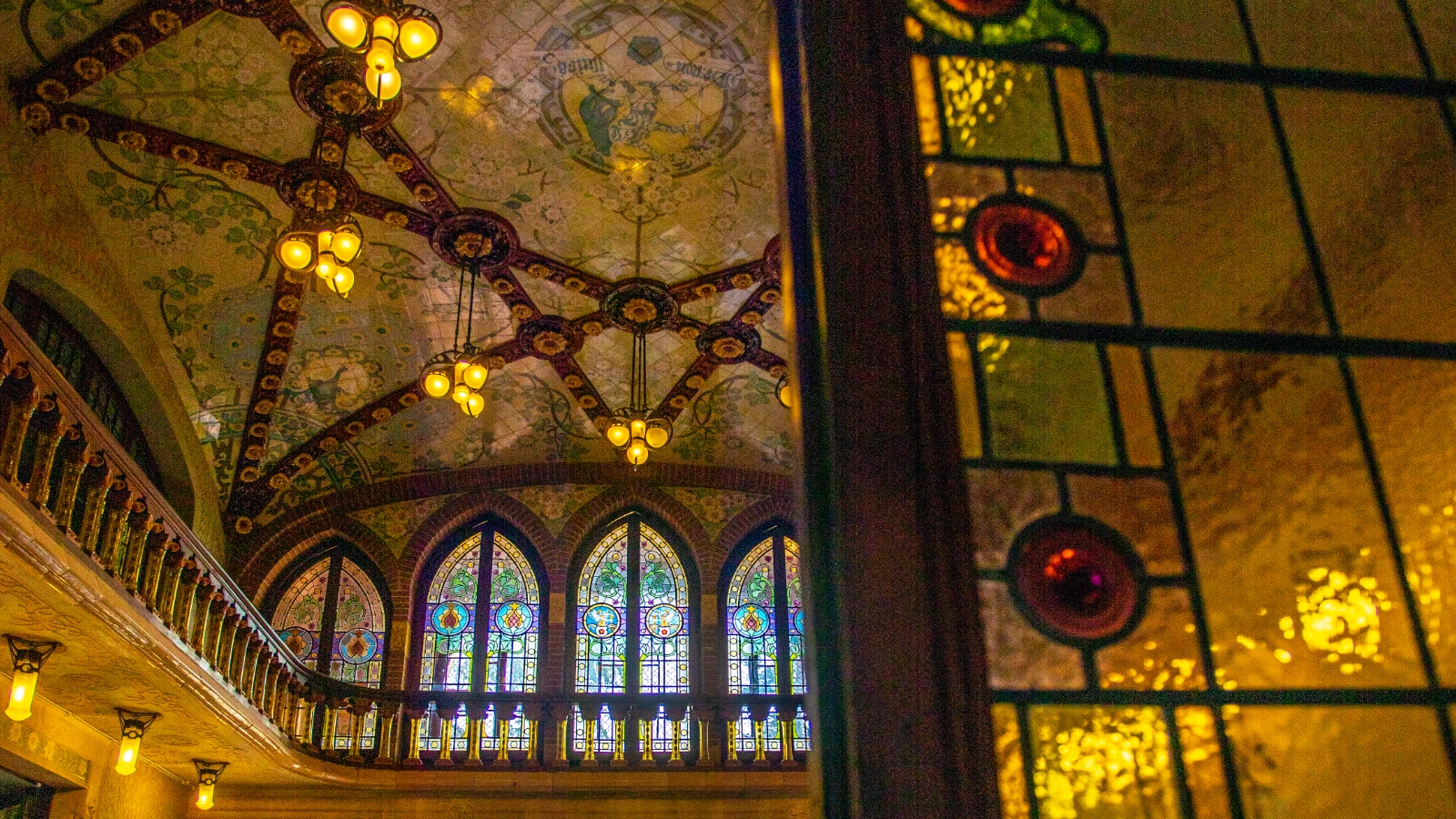
Modernisme before hitting the street
Stained glass, ceramics, wood and light fill the Pavelló dels Distingits, a work by Domènech i Montaner that lets you step fully into Modernista Reus before reaching the city centre.
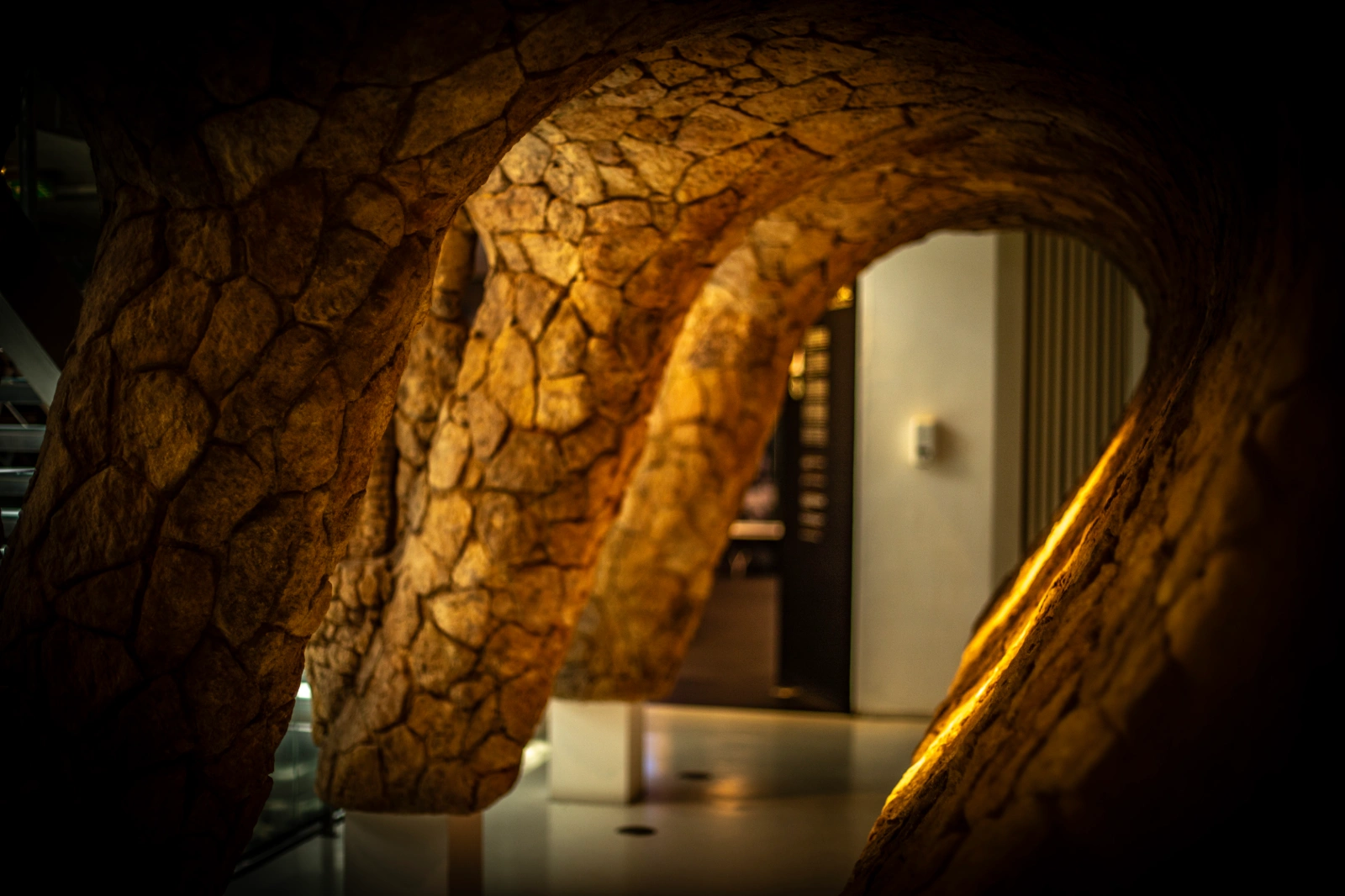
A city written in façades
The route continues at the Gaudí Centre and then heads out onto the street, among buildings, squares and façades that tell of the prosperity of Reus in the late 19th and early 20th centuries.
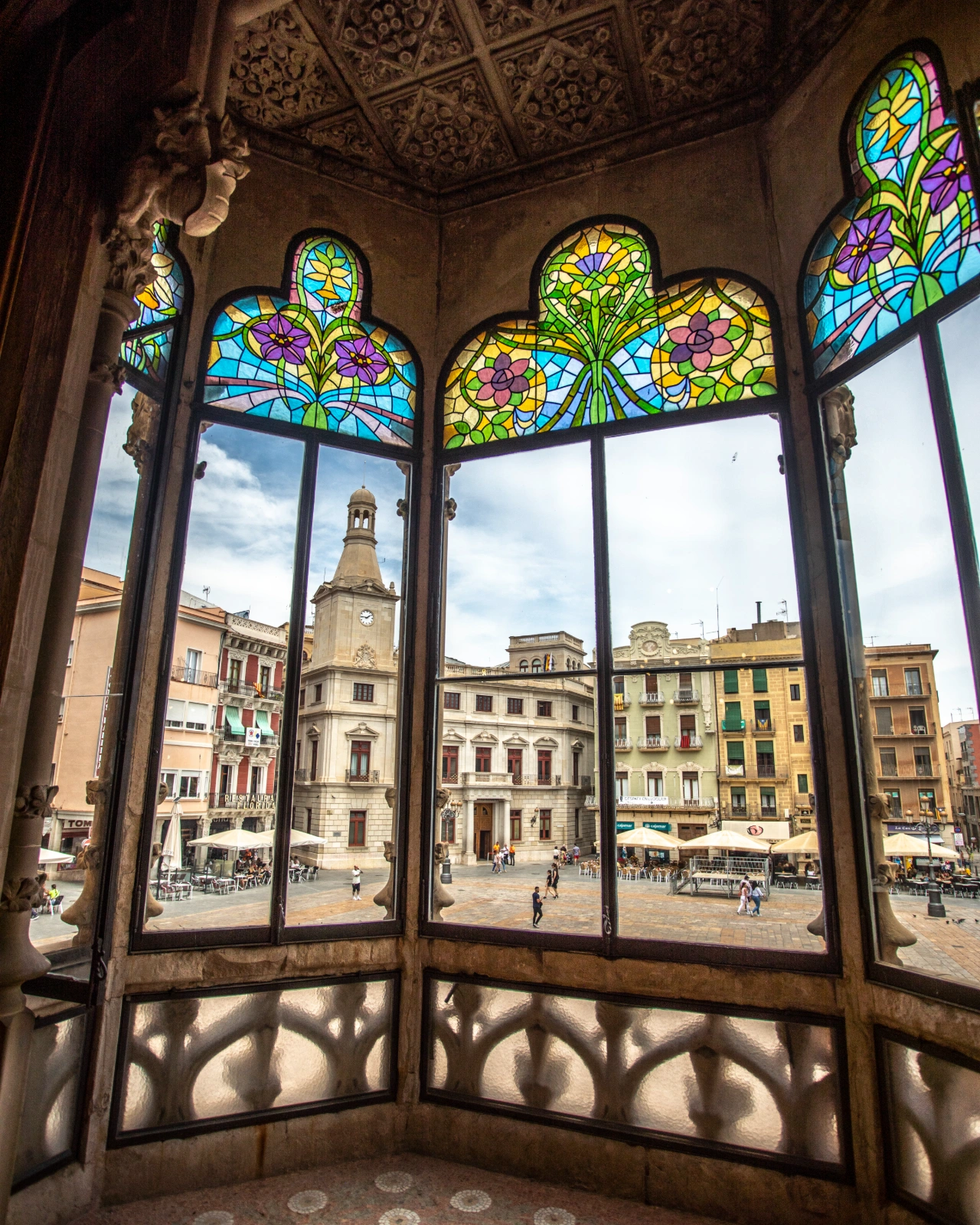
Stepping into Reus in 1900
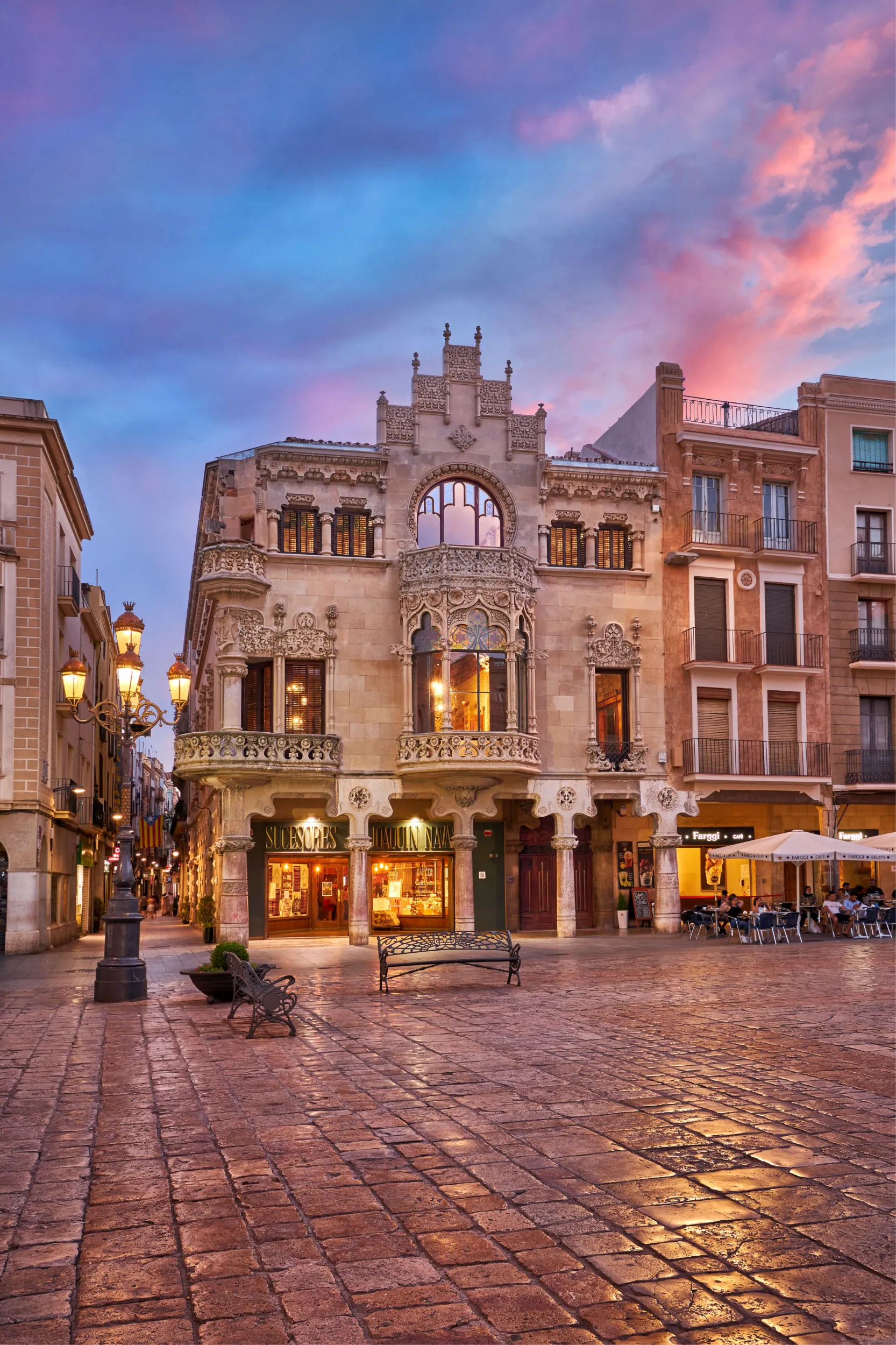
The façade of Casa Navàs announces what awaits inside: stained glass, mosaics, wood and original furniture in an interior that keeps much of the Modernista atmosphere intact. On leaving, the Mercadal reconnects the visit with the city's present-day rhythm.
Afternoon · Estació Enològica and vermouth in Reus
Stop 2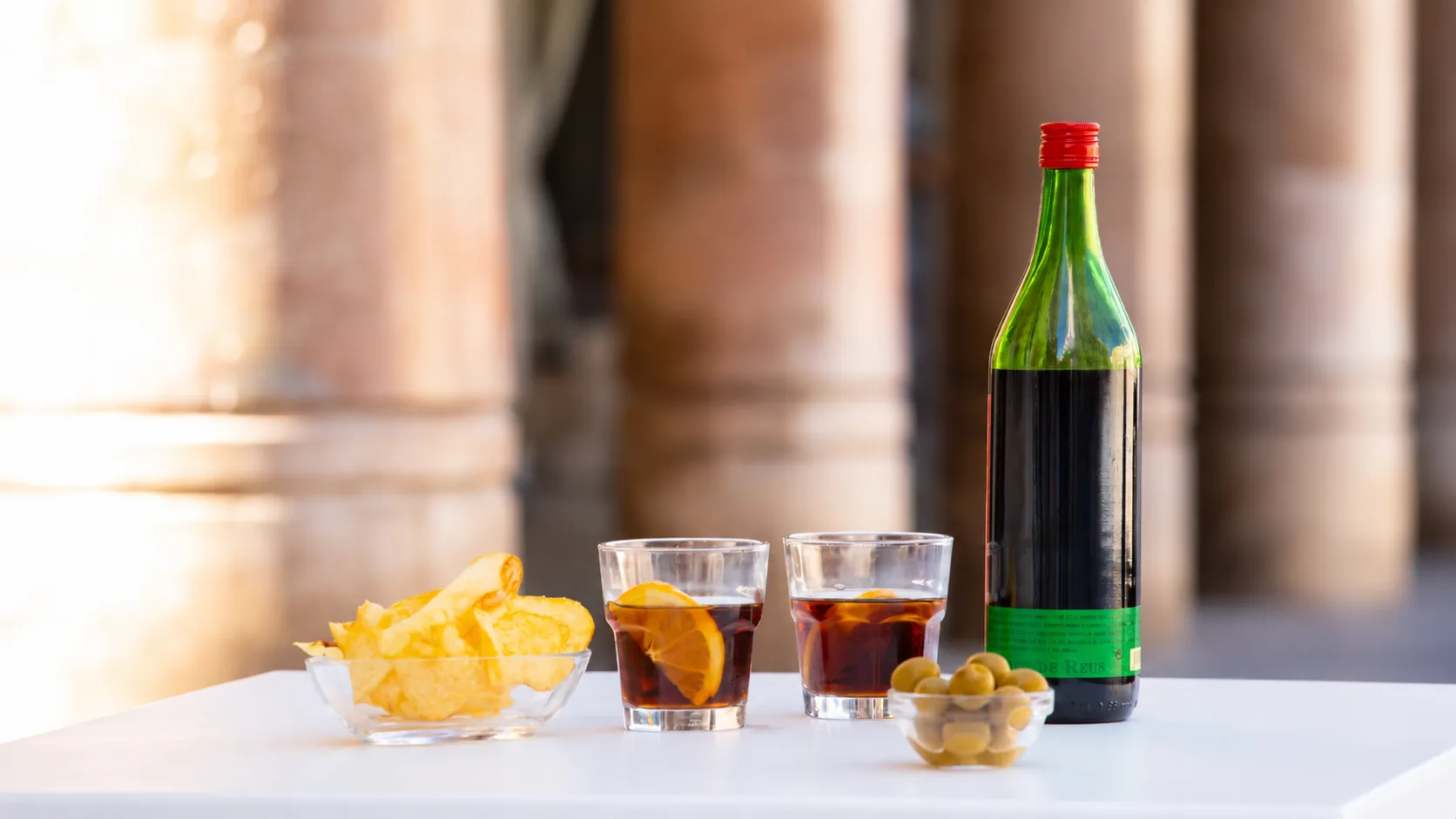
The city served in a glass
The last afternoon adds flavour to the trip. The Estació Enològica explains Reus's winemaking tradition before you raise a toast with a vermouth and close five days that began among mountains and end in the heart of a lively city.