
The Ruta del Cister between stone and landscape
Royal monasteries, medieval towns, Modernista architecture and local flavours between the Conca de Barberà and the Alt Camp.
The Ruta del Cister links some of the great heritage landscapes of inland Costa Daurada. In the Conca de Barberà, Montblanc and the Reial Monestir de Santa Maria de Poblet open up a land of city walls, stone villages and vineyards. Towards the Alt Camp, the story continues at Santes Creus and stretches across Modernista architecture, small villages and a food culture deeply tied to the land.
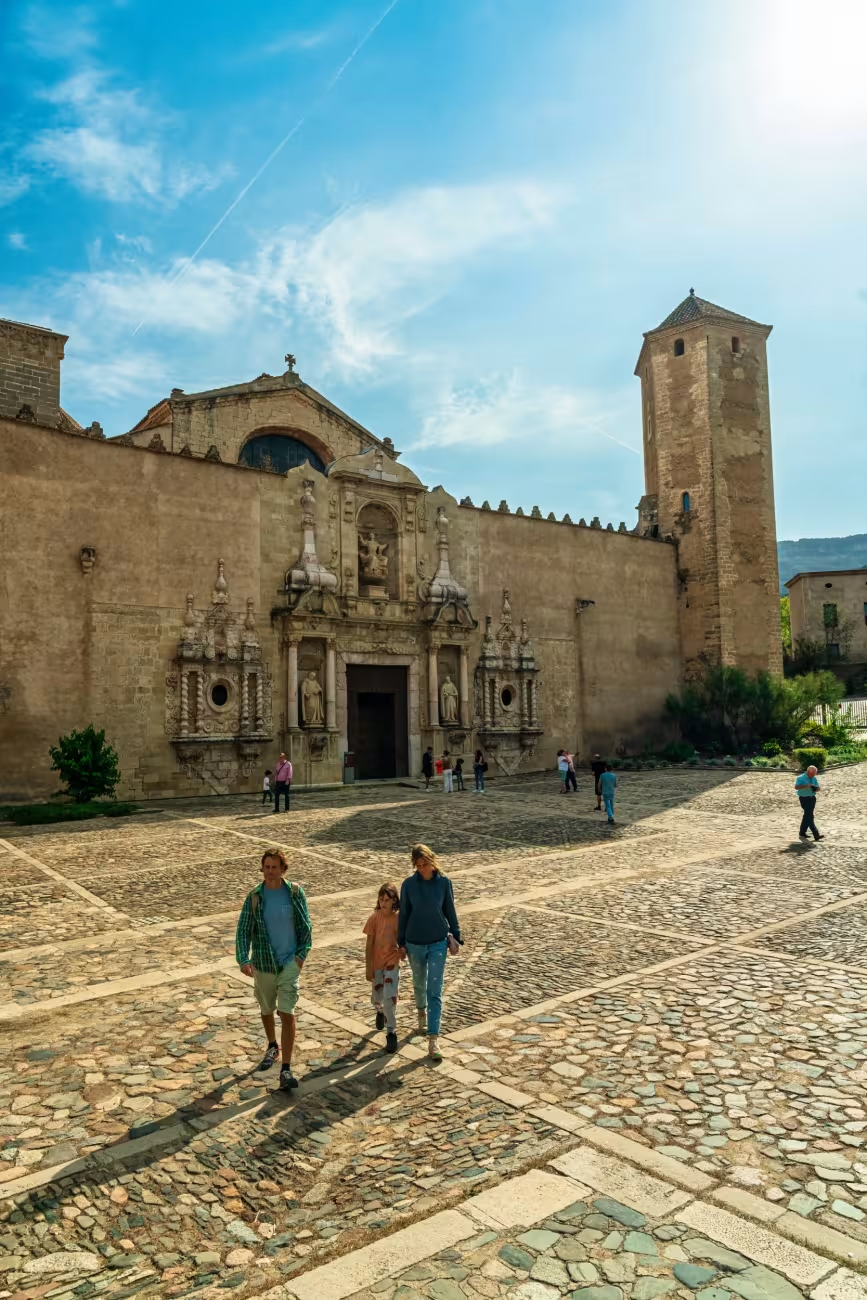
Poblet and Santes Creus are two of the three royal monasteries that form the backbone of the Ruta del Cister, along with Vallbona de les Monges. Two very different monumental complexes that let you follow centuries of history, spirituality and ties to the Crown of Aragon.
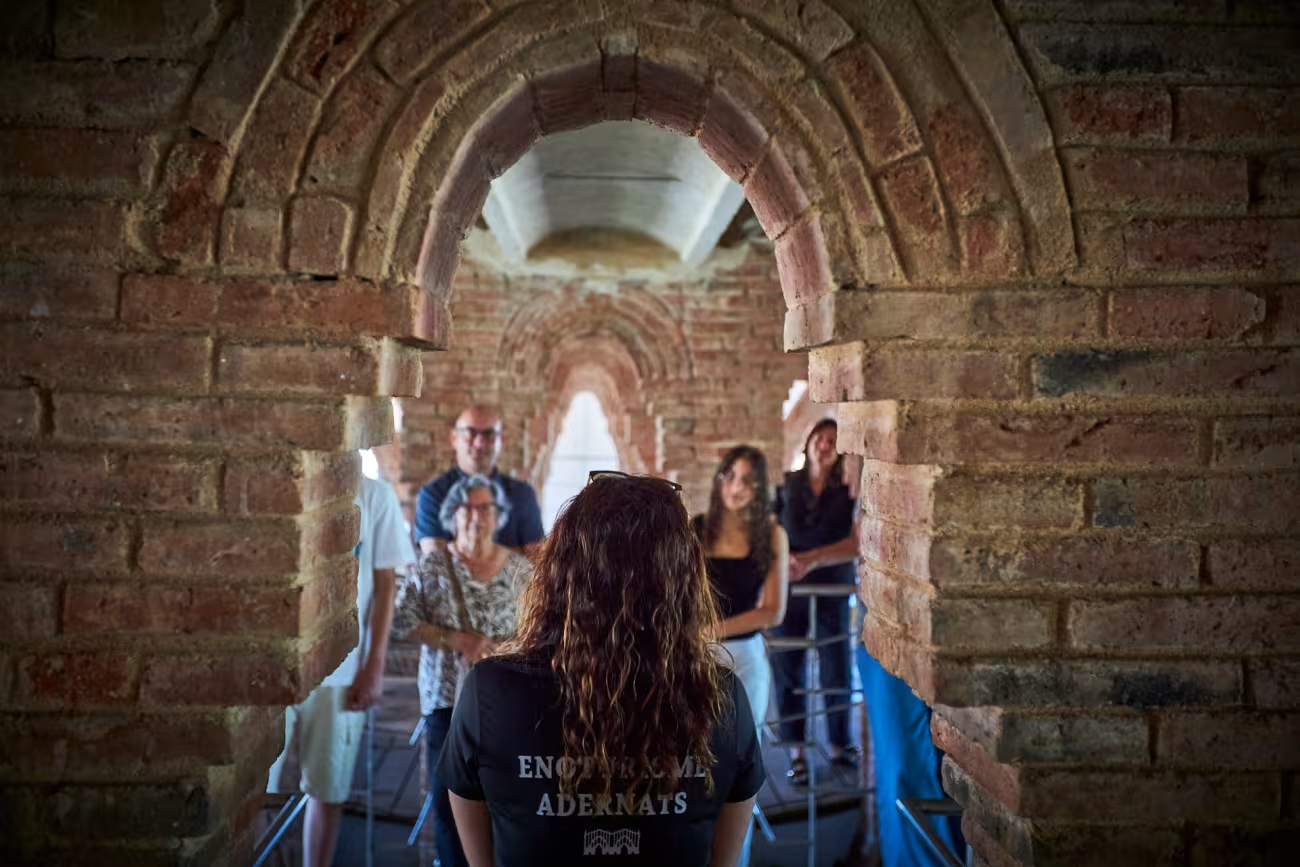
Montblanc, inside and outside the walls
The historic centre and the Sanctuary
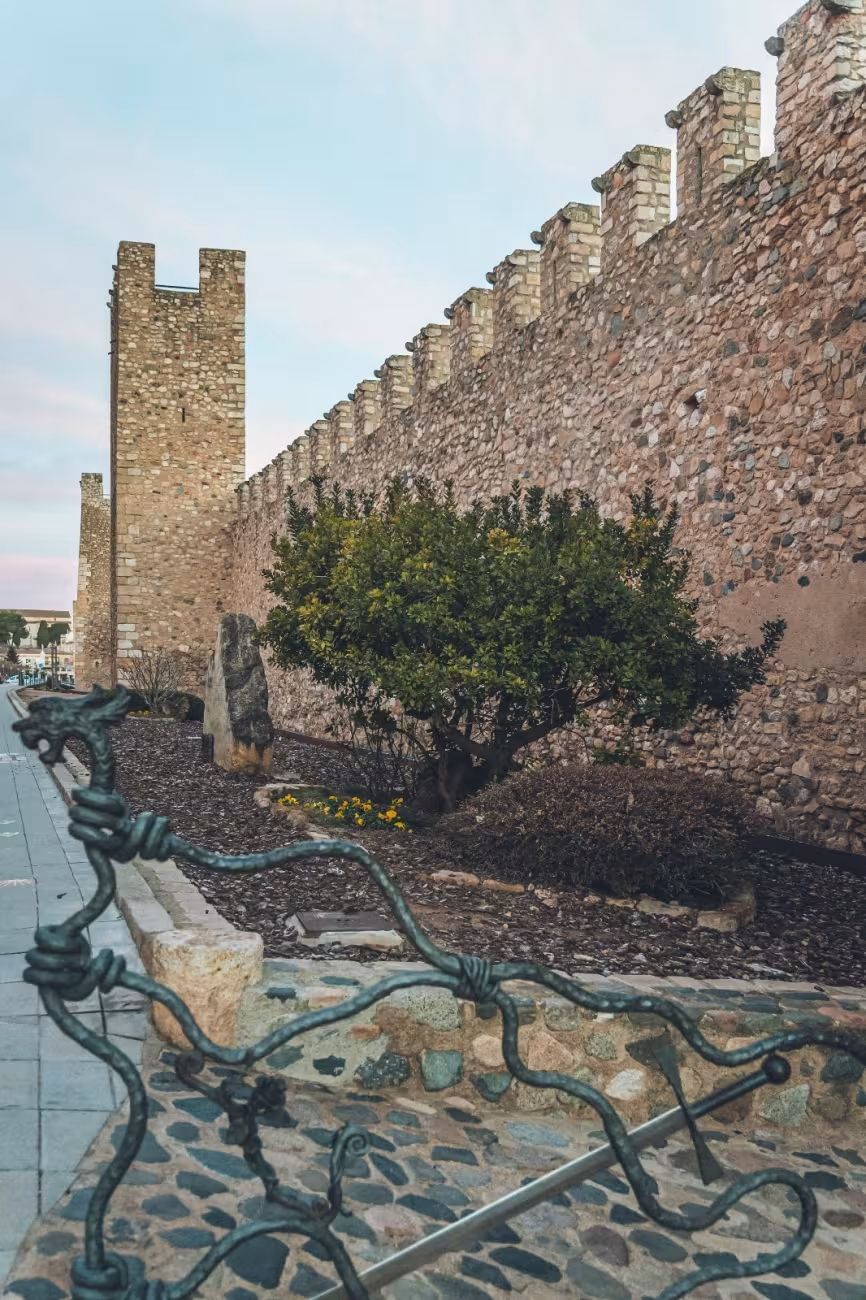
In Montblanc, the charm lies in the whole: the historic centre, the wall that you can walk from the Torre de Sant Francesc and the Santuari de la Verge de la Serra, with its symbolic weight and its views. And, to finish, a sweet nod: the Merlets, a typical dessert that takes its name from the battlements of the wall.
The great Cistercian landmark
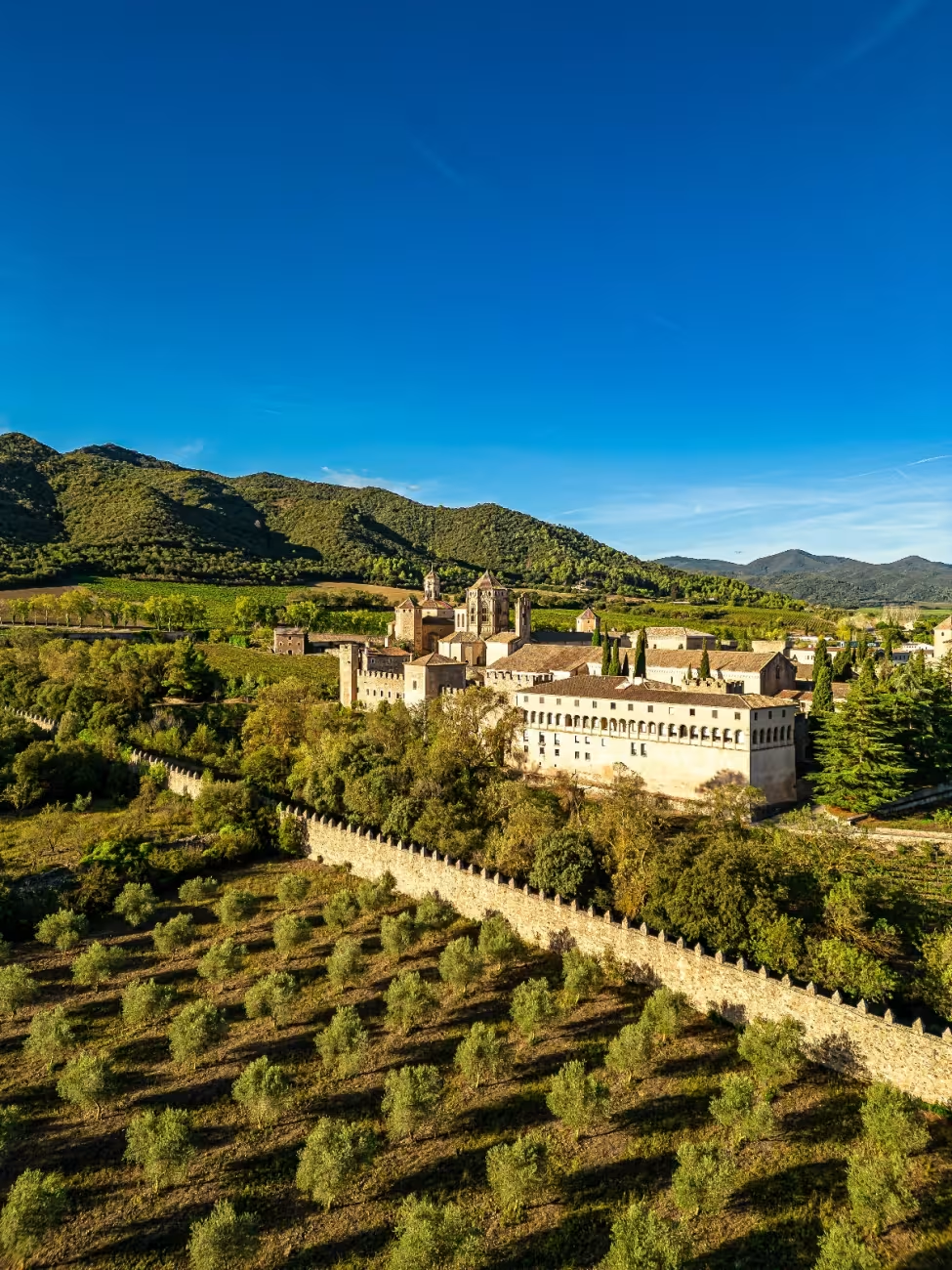
Monastery of Santa Maria de Poblet
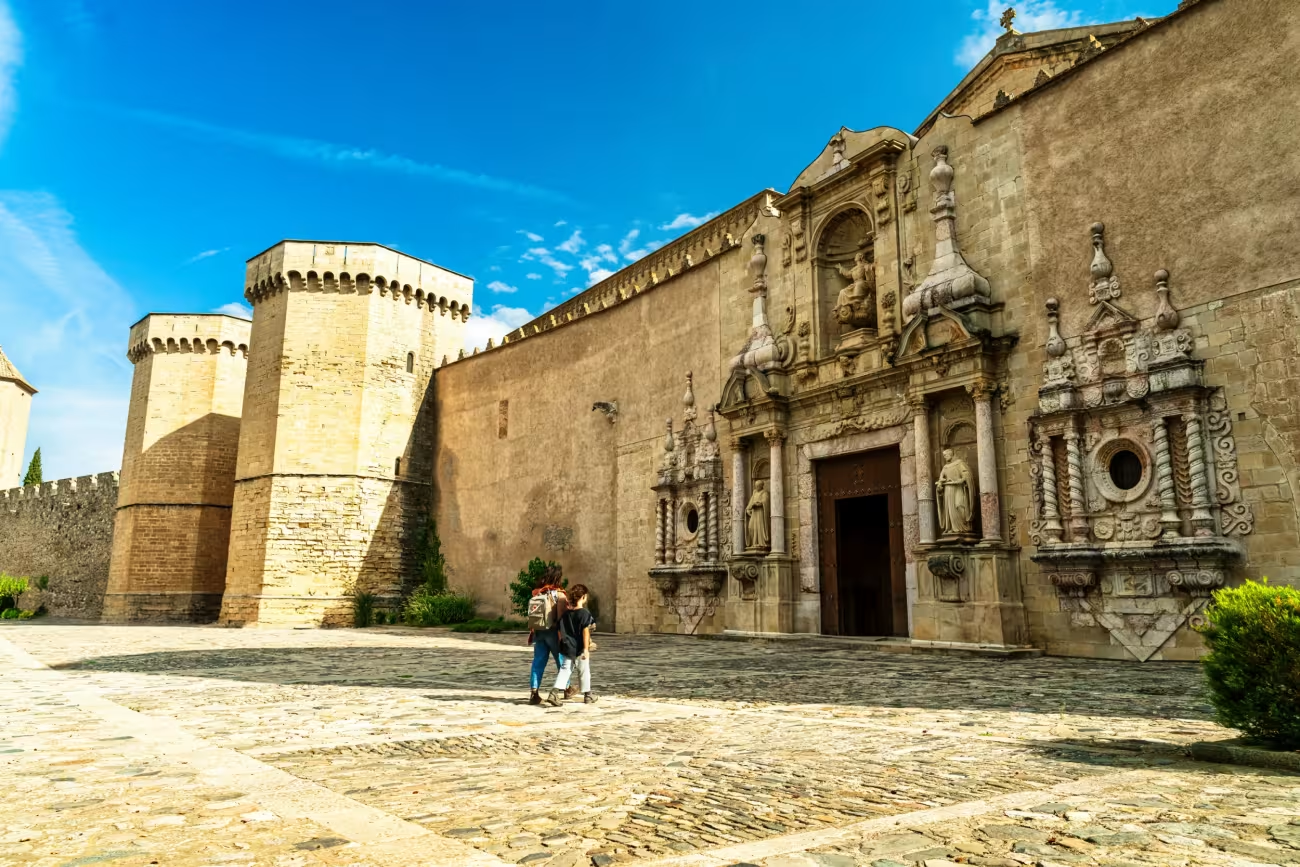
Walls, cloisters, palaces and royal pantheons make up one of the great monastic complexes of Europe. The Reial Monestir de Santa Maria de Poblet, a UNESCO World Heritage Site, still has a living monastic community and lets you explore centuries of architecture, spirituality and history bound up with the Crown of Aragon.
Where kings chose to rest
Stone, power and silence
On the banks of the Gaià, Santes Creus combines Cistercian austerity with Gothic splendour. In the church, the imposing tombs of Peter the Great and of James II and Blanche of Anjou hold their original remains and tell of the monastery's close relationship with the Crown of Aragon. The Gothic cloister and the former monastic spaces complete a visit with a character very different from Poblet.
A silhouette among the vineyards
When Modernista design looks towards Montserrat
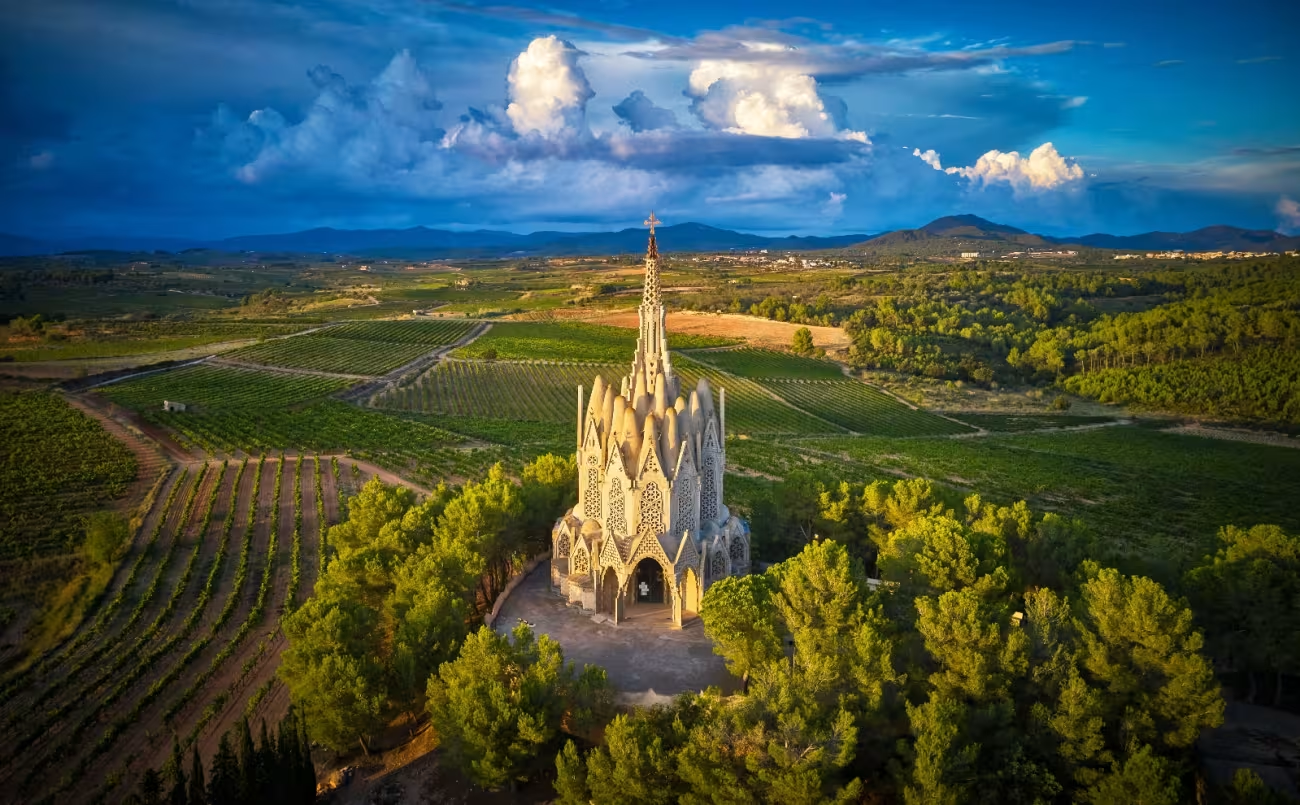
The landscape changes tone at Montferri. Among the vineyards rises the Santuari de la Mare de Déu de Montserrat, a singular piece of architecture designed by Josep Maria Jujol, playing with arches, geometric forms and a silhouette you cannot mistake for any other building in the area.
The land in a glass
Herbs, spices and time
In Bràfim, the journey continues through vermouth. Aromatic herbs, roots, spices and ageing are part of a tradition that lets you discover the area through taste and understand that the wine culture of the Alt Camp goes far beyond wine.

Architecture for making wine
A cathedral born of farming life
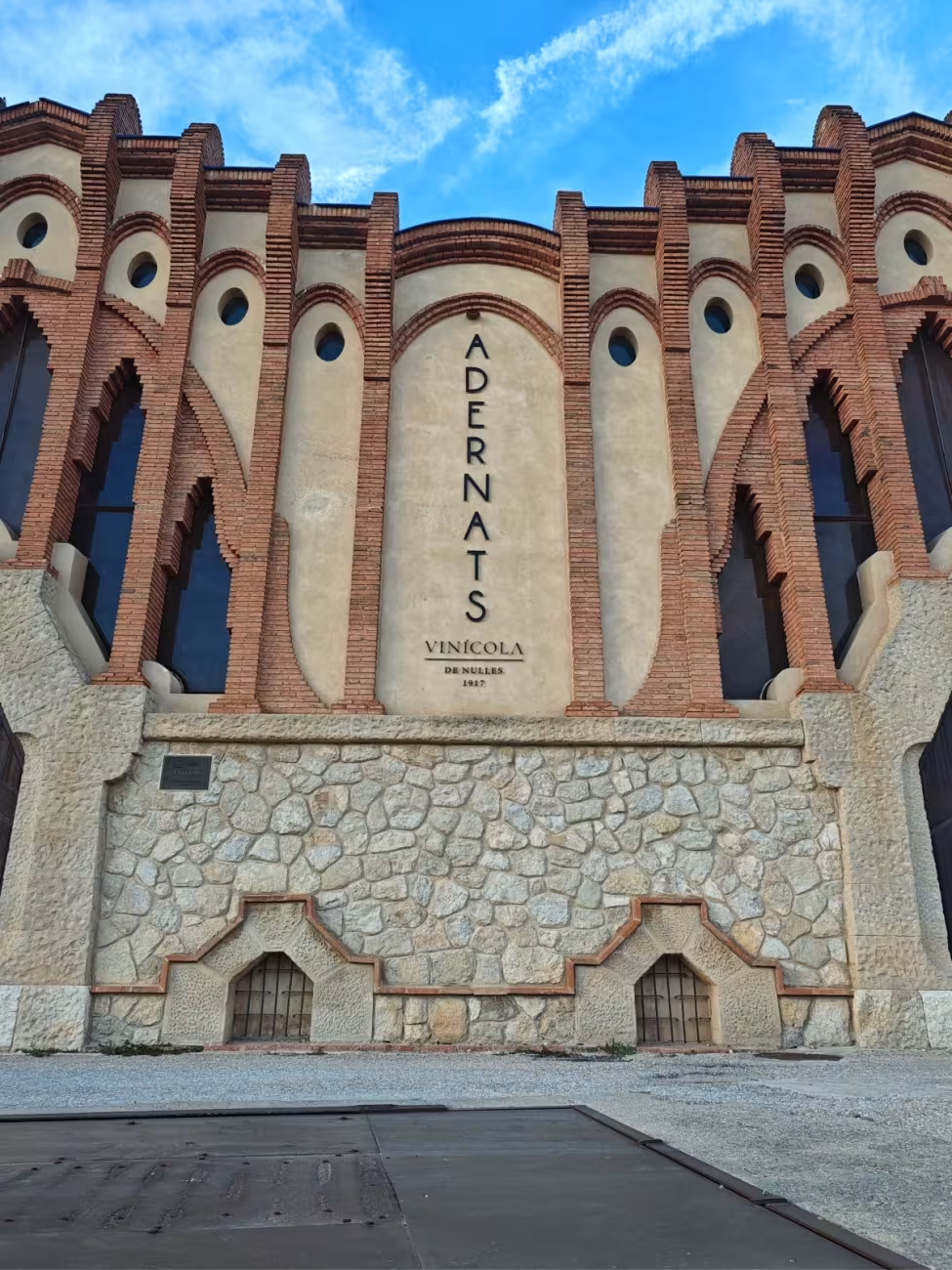
Brick, great arches and spaces designed for farm work make the Nulles cooperative one of the most representative Modernista buildings in the world of wine. The work of Cèsar Martinell shows how, in the early 20th century, cooperatives also transformed the landscape and the life of villages.
Castles and villages stopped in time
Small stones, big stories
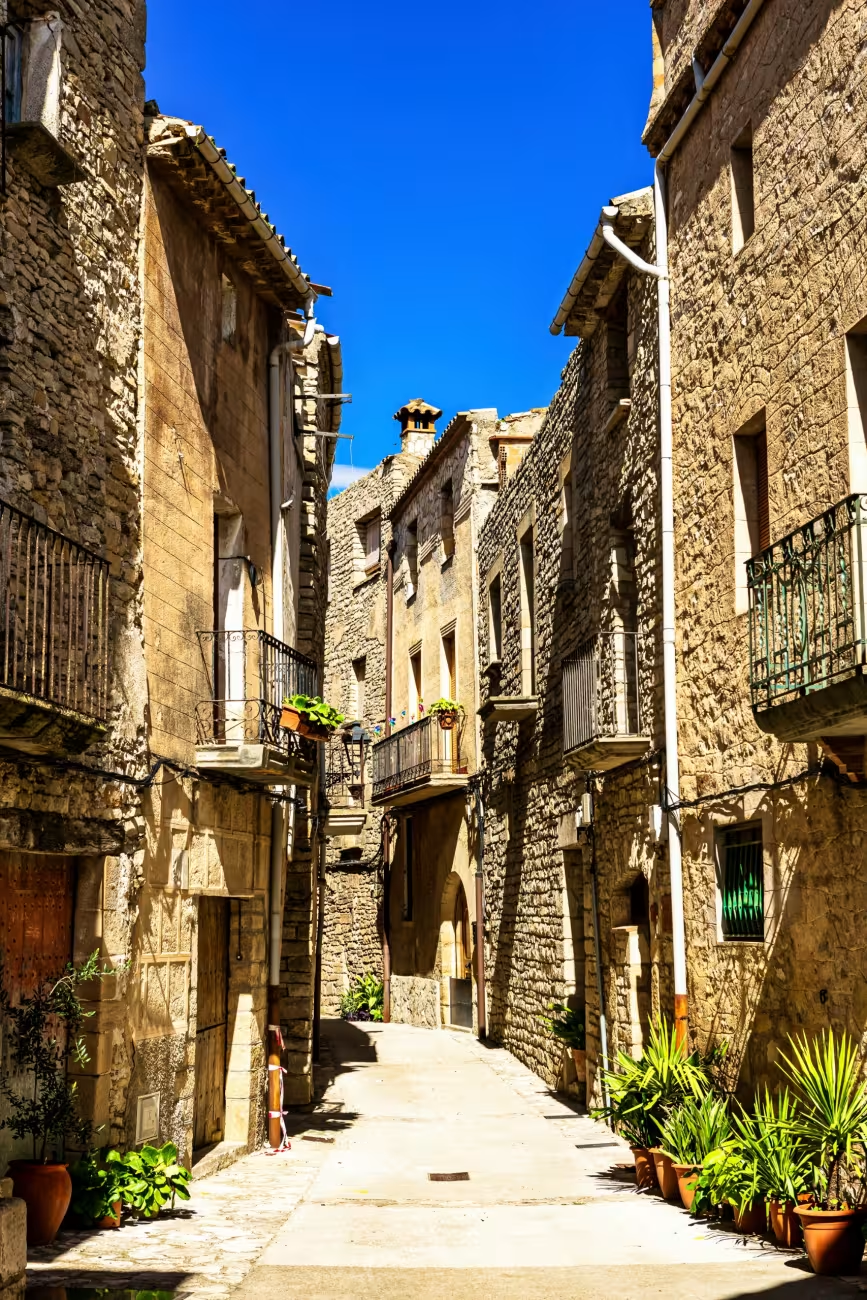
Beyond the great monasteries, the Ruta del Cister continues through small settlements, castles and stone villages. Conesa, Santa Coloma de Queralt or Barberà de la Conca let you extend the route and discover an everyday heritage of narrow streets, gateways, squares and farming landscapes.
The footprint on the map
Our essentials
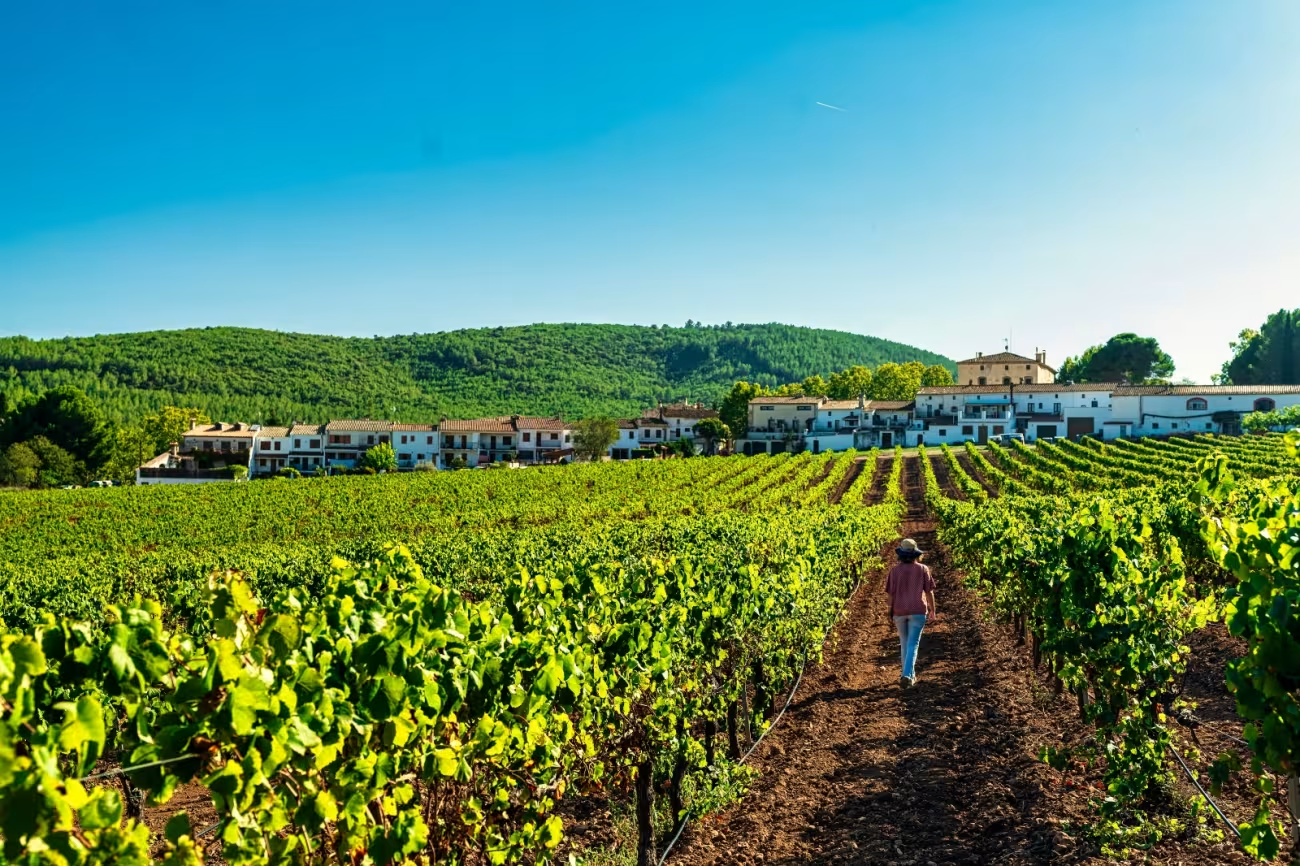
CULTURA DEL VI
La geografia del vi
Discover →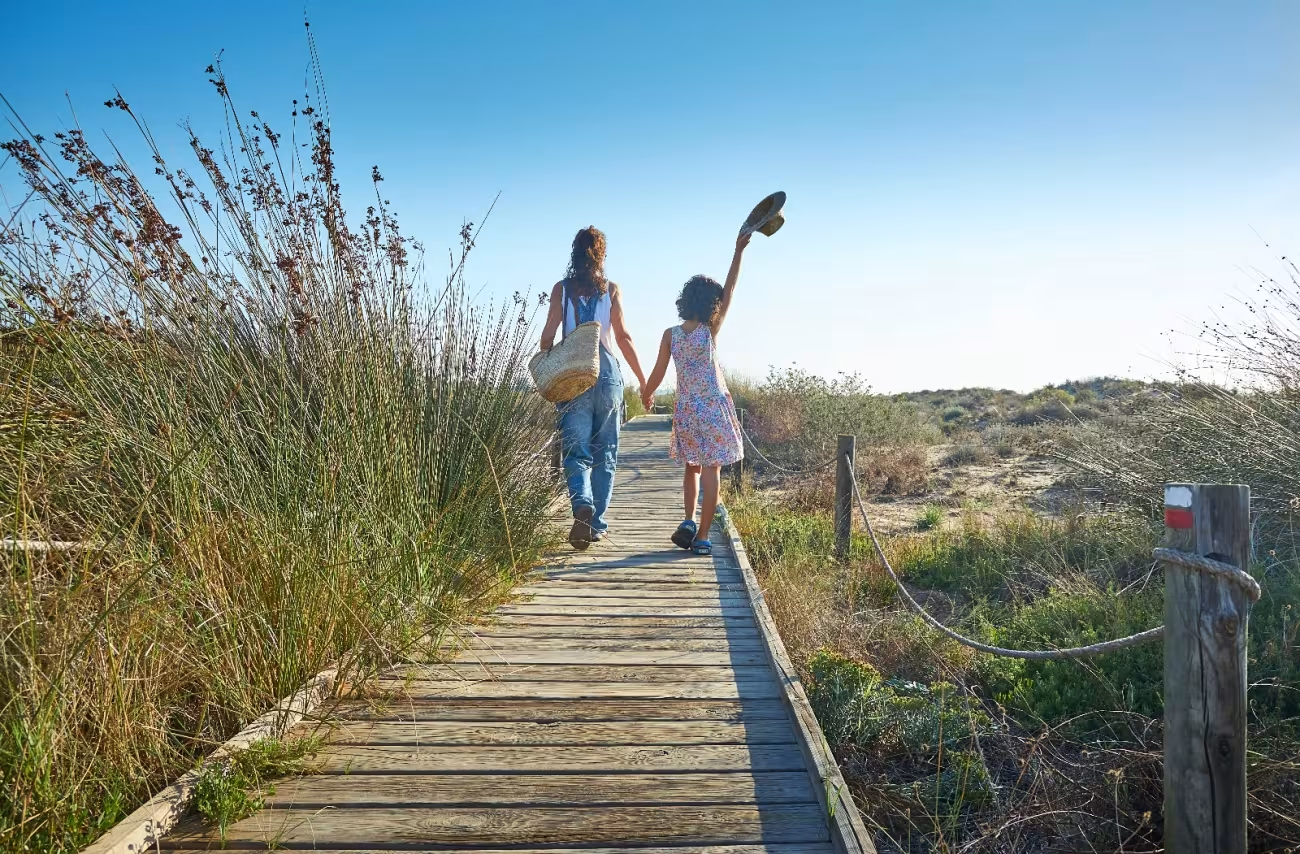
Sun and Sea
The coast at three paces
Discover →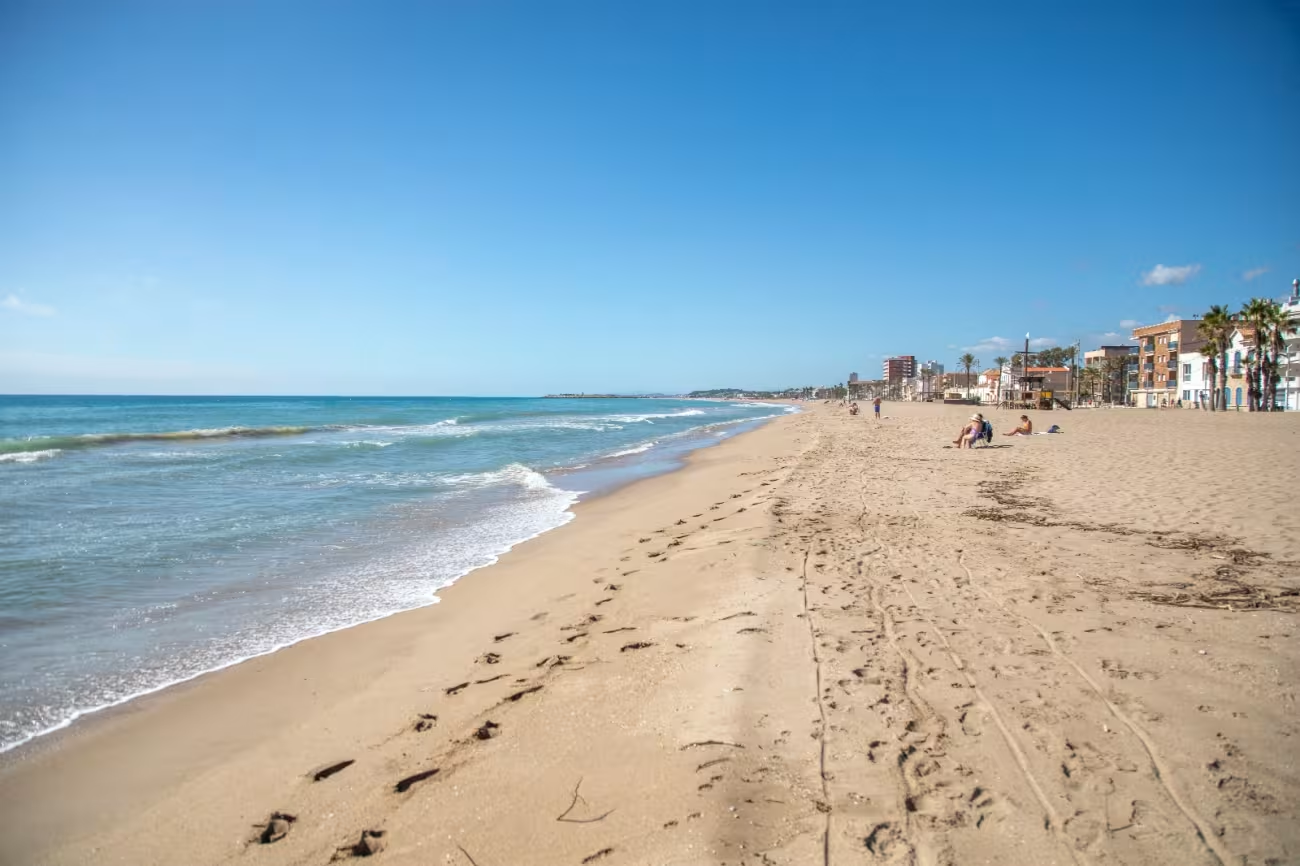
Culture
El Vendrell, music by the sea
Discover →
Culture
Paisatge dels Genis
Discover →
Nature and Spirituality
Montsant, the sacred mountain
Discover →
Leisure and Fun
PortAventura, adrenaline for the whole family
Discover →
Living tradition
Valls, from the pinya to the calçot
Discover →
World Heritage Site