
Tarraco, history by the sea
Roman stone with a Mediterranean horizon.
Tarraco is not somewhere you simply visit: you walk through it. It is today's Tarragona, but with a Roman layer that is still very much alive: city walls you can touch, squares that hide tiers of seating and monuments that appear when you least expect them. The Archaeological Ensemble of Tarraco has been a UNESCO World Heritage Site since 2000, and it reaches beyond the city, with monuments in Constantí, Altafulla and Roda de Berà.
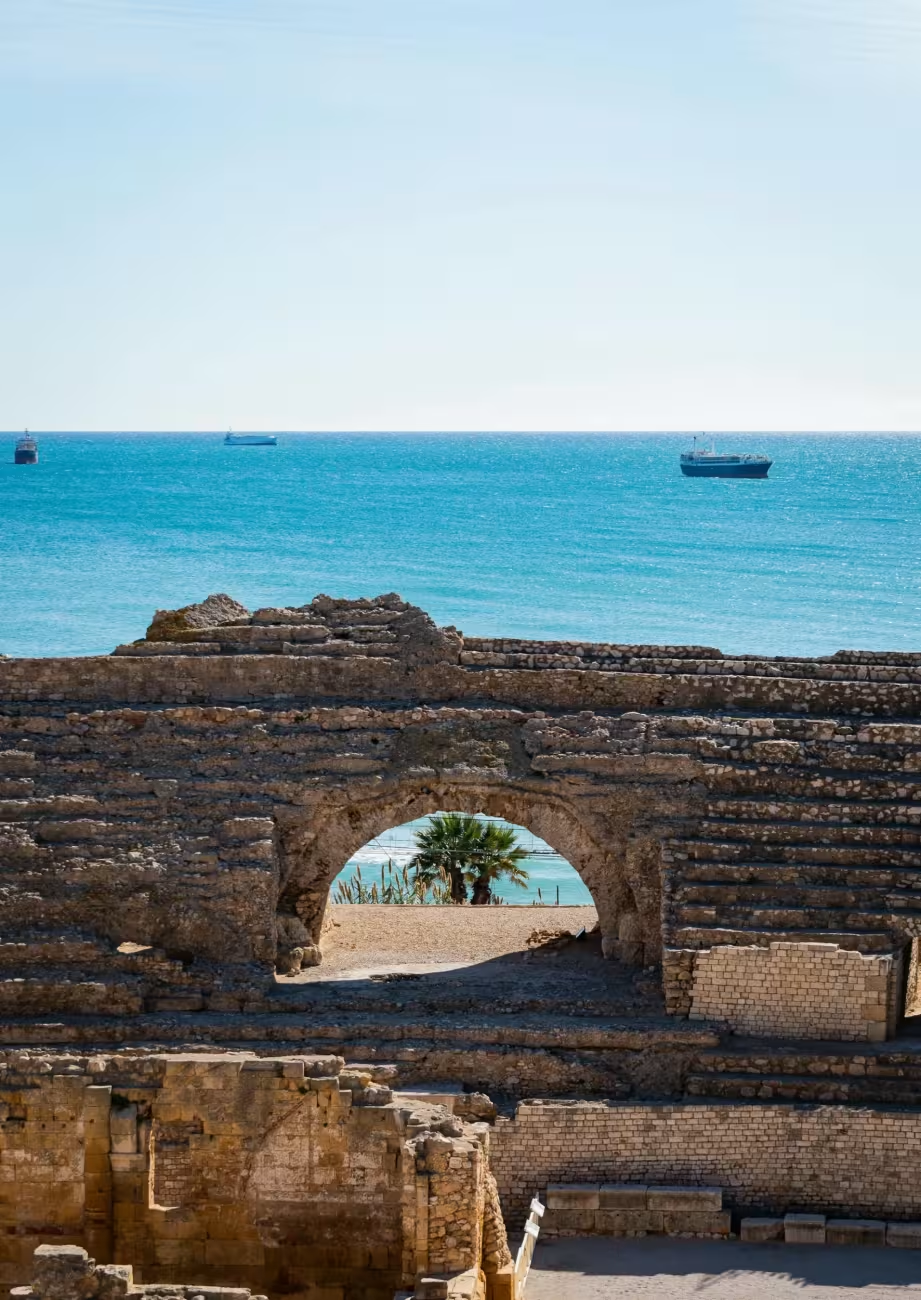
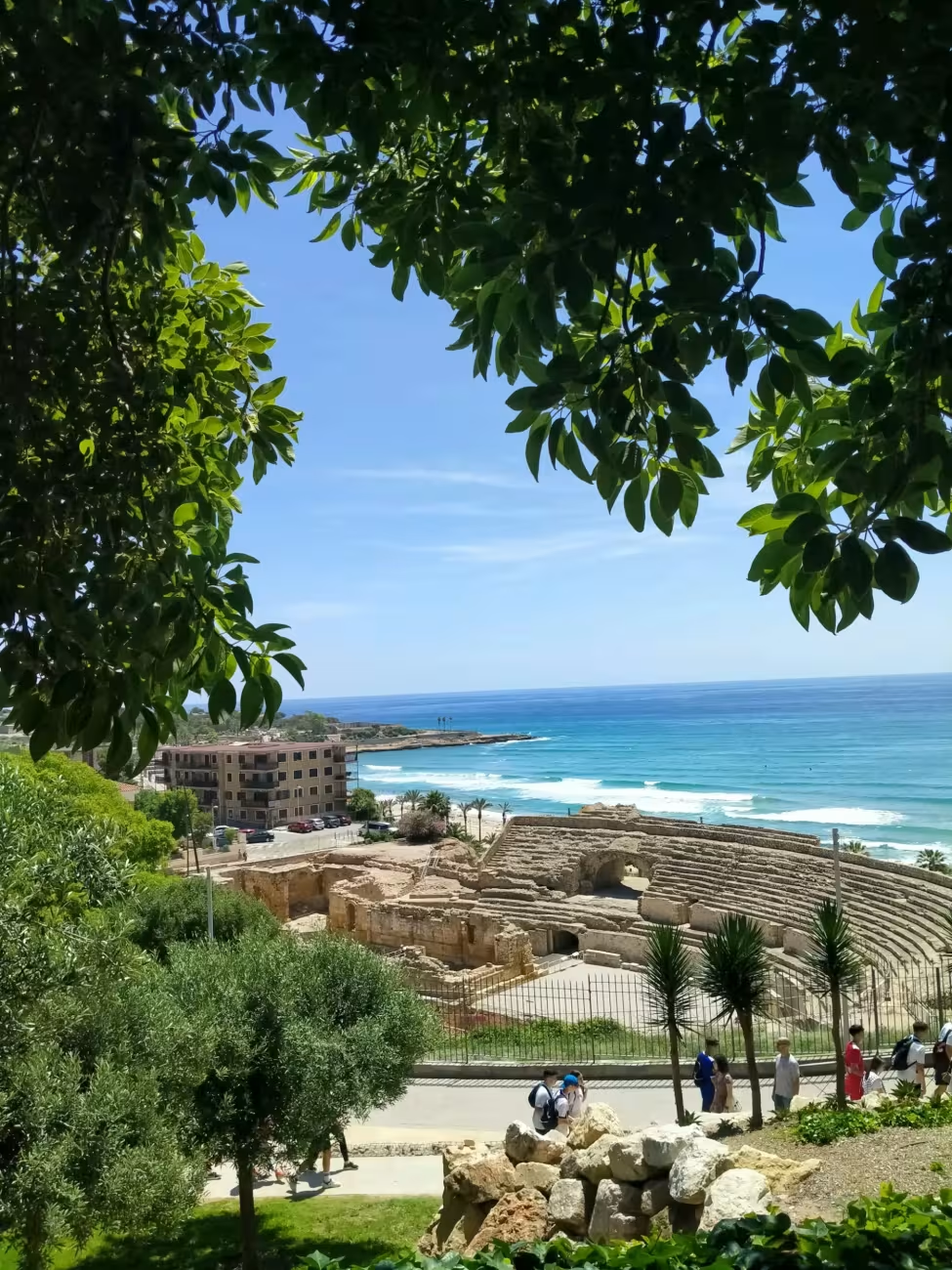
Here history has one unique feature: it is open to the Mediterranean. The amphitheatre looks out over the sea, and this contrast between stone and horizon makes the past feel very present.
The great stage
Amphitheatre, circus and forum
The amphitheatre is the unmissable postcard image and also the symbol of Tarraco: a great entertainment venue beside the Mare Nostrum. Major events were held here, as well as episodes that marked the memory of the city, such as the martyrdom of Fructuosus and his deacons.
The circus is impressive for its scale and for the way it blends into the modern city. It was built at the end of the 1st century AD, and you can still grasp its size, its corners and the labyrinthine feeling of going down into its depths. Even local 'stars' appear in this world, such as Eutyches and Fuscus, charioteers who would be sporting idols today. And the forum is not to be missed, the place of meeting and power where the local elites gathered.
Part Alta
The place of worship
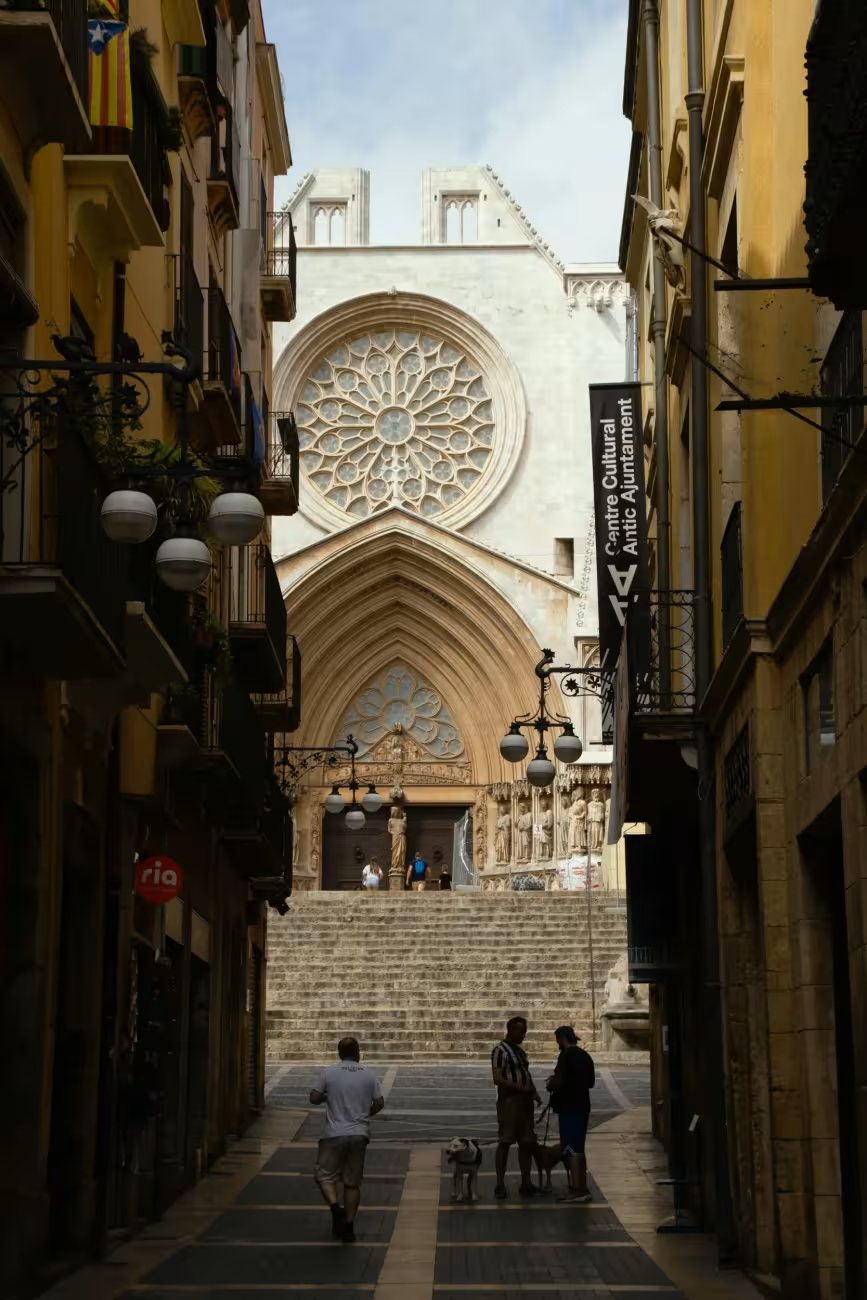
The upper part was the area reserved for worship. The Temple of Augustus stood beneath the cathedral, and a visit to this area helps you understand the more ceremonial side of Tarraco.
To round things off, the History Museum and the Pretorium Tower add context and views that put everything you have seen at street level in order.
The Rome of infrastructure
Water, stone and villas
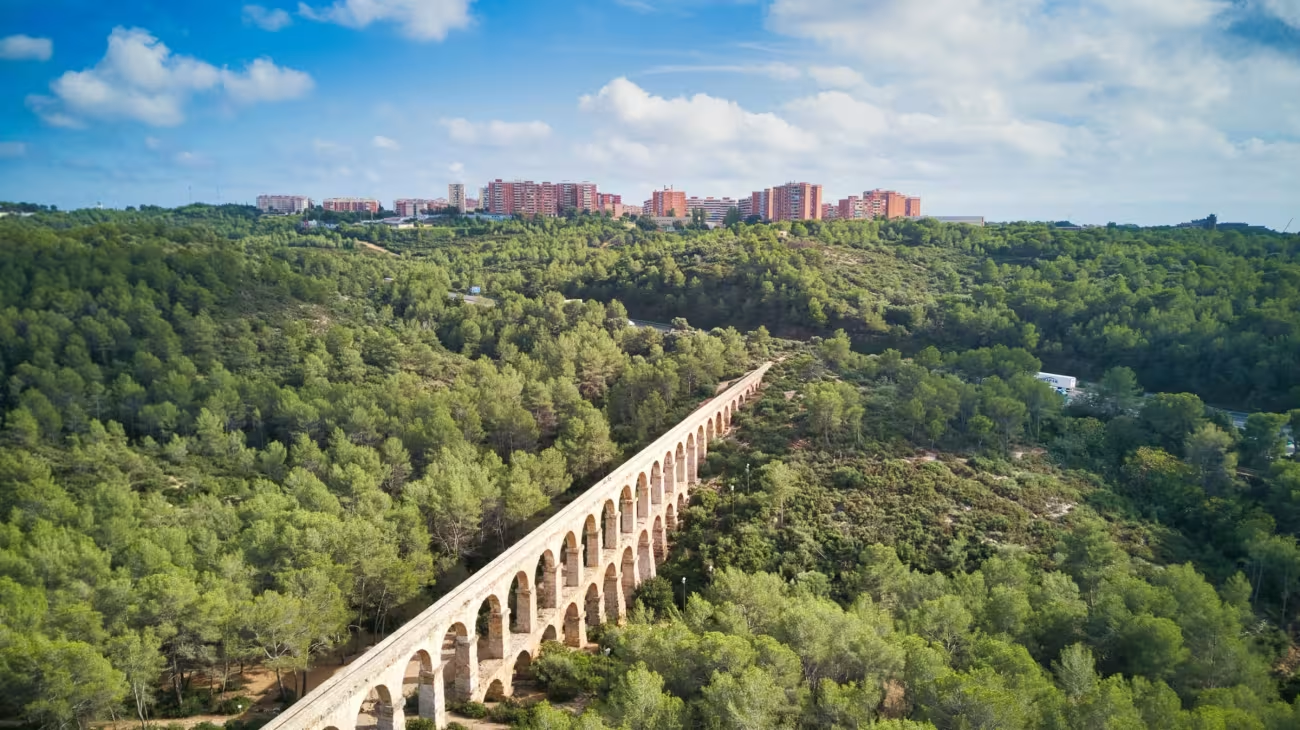
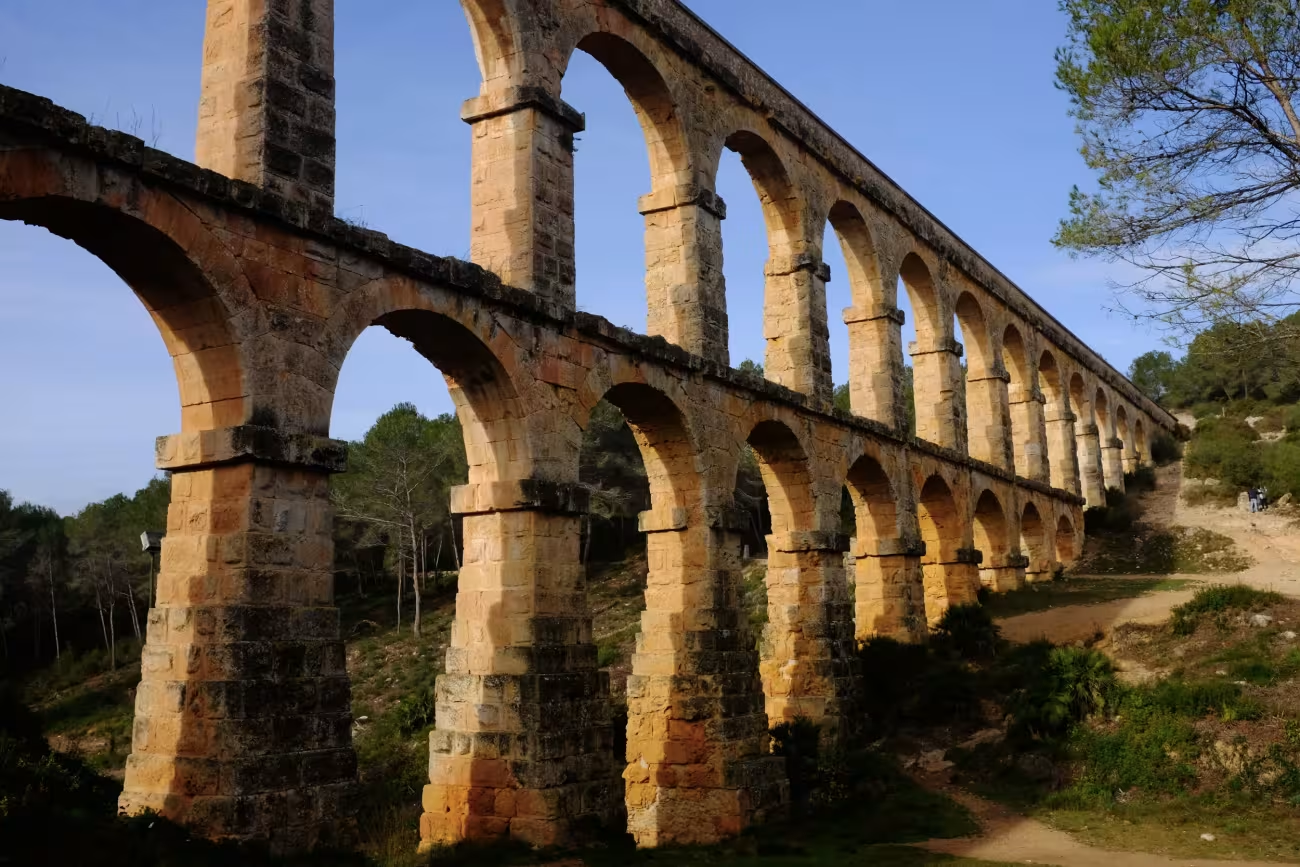
The Romans were masters of infrastructure, and it shows here: aqueducts were built to bring water to the city. The Pont del Diable (Les Ferreres Aqueduct) is the great visible piece, and today you walk it in a setting of eco-historical park with routes and activities.
Outside the urban centre, Centcelles (Constantí) holds a late Roman complex with a dome decorated with Christian mosaics. And following the coast northwards, the Els Munts villa (Altafulla) and the Arc de Berà (Roda de Berà) complete the Roman map.
A villa by the sea
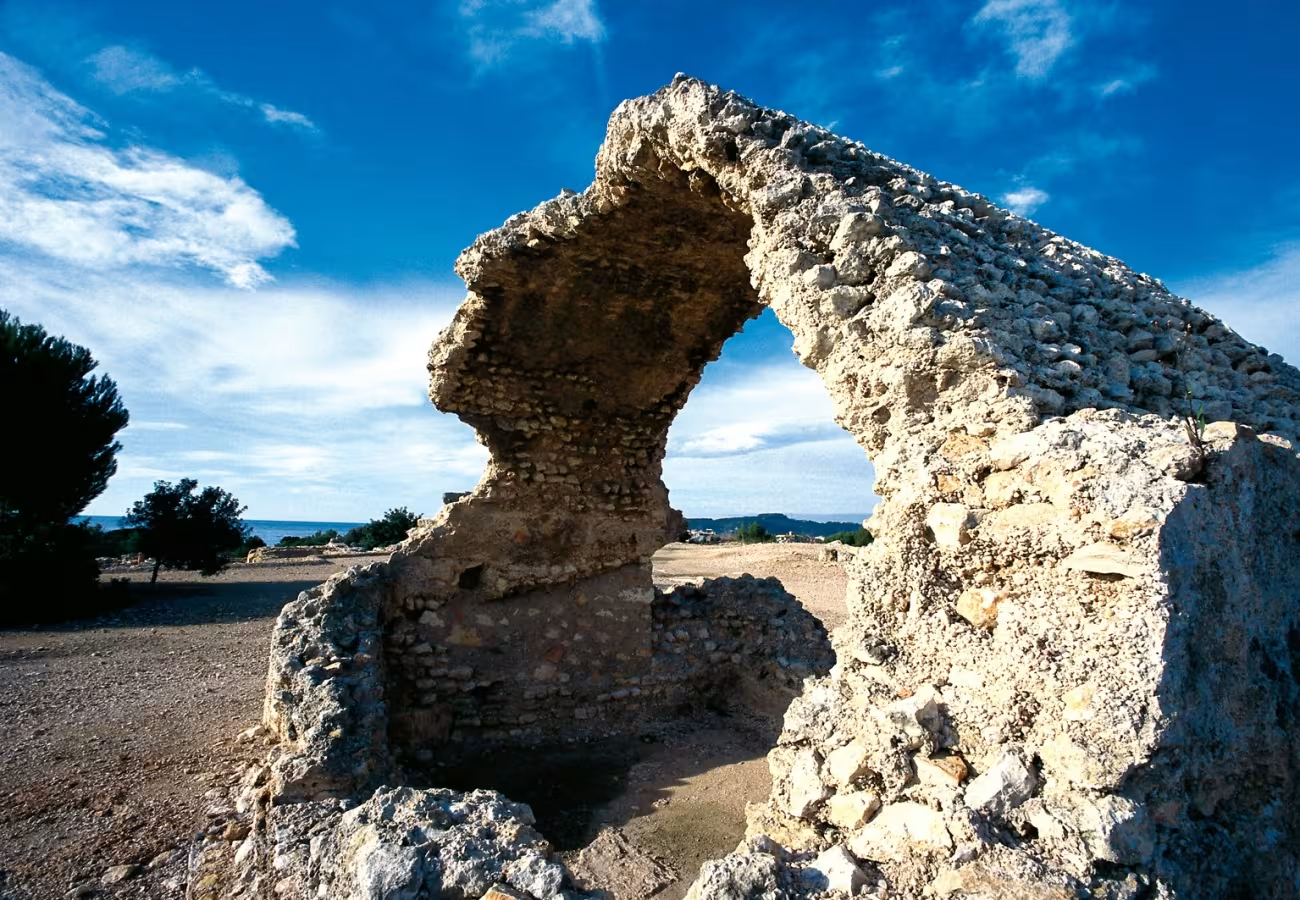
Els Munts, in Altafulla
Right next to Altafulla beach, the Roman villa of Els Munts was the residence of a senior official of Tarraco. It is one of the best-preserved villas in Roman Hispania, with mosaics, wall paintings and baths that you can still walk through.
The gateway of the Via Augusta
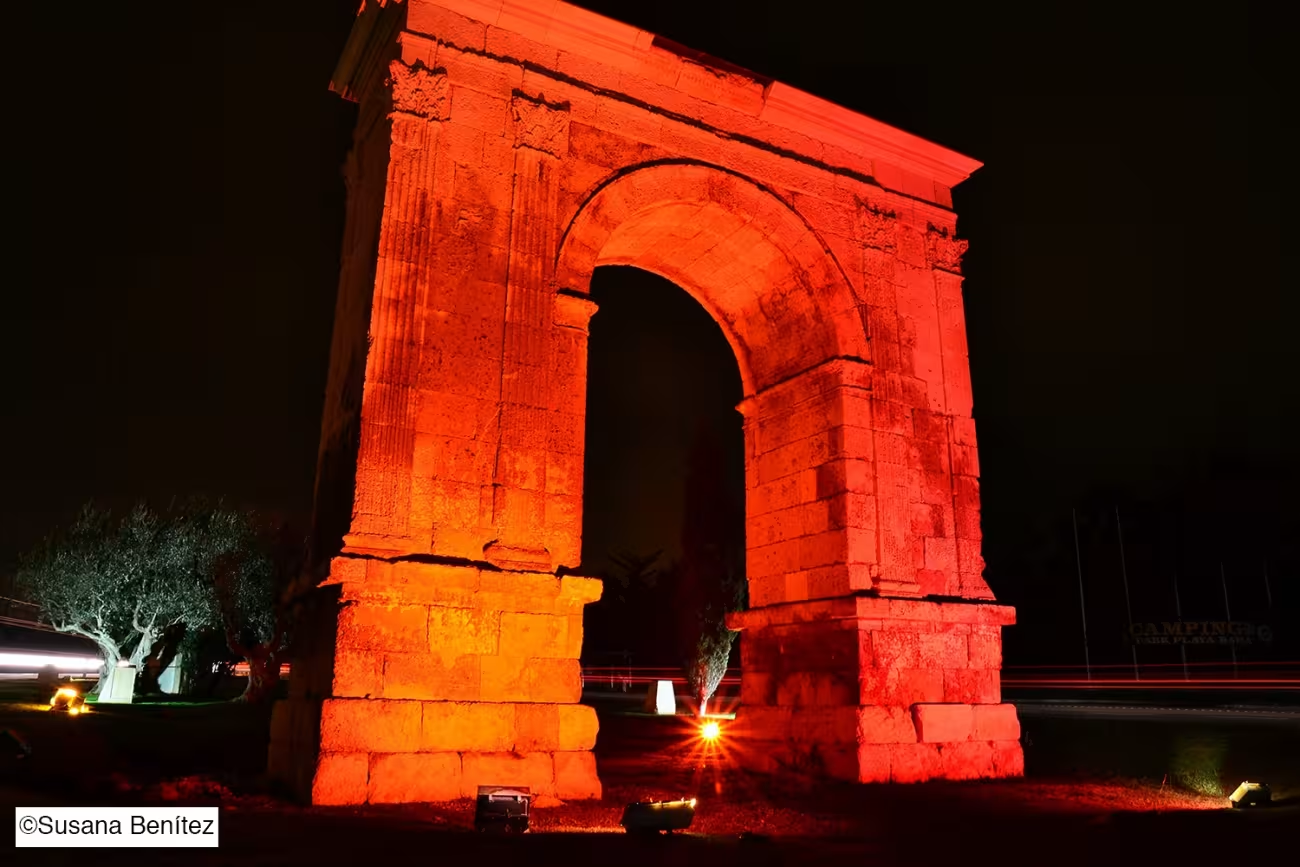
The Arc de Berà, in Roda de Berà
About 20 km from Tarragona, the Arc de Berà rises over the line of the Via Augusta, the great Roman road that linked Hispania with Rome. Built at the end of the 1st century BC, this single-arched triumphal arch is also part of the World Heritage ensemble.
The footprint on the map
Our essentials
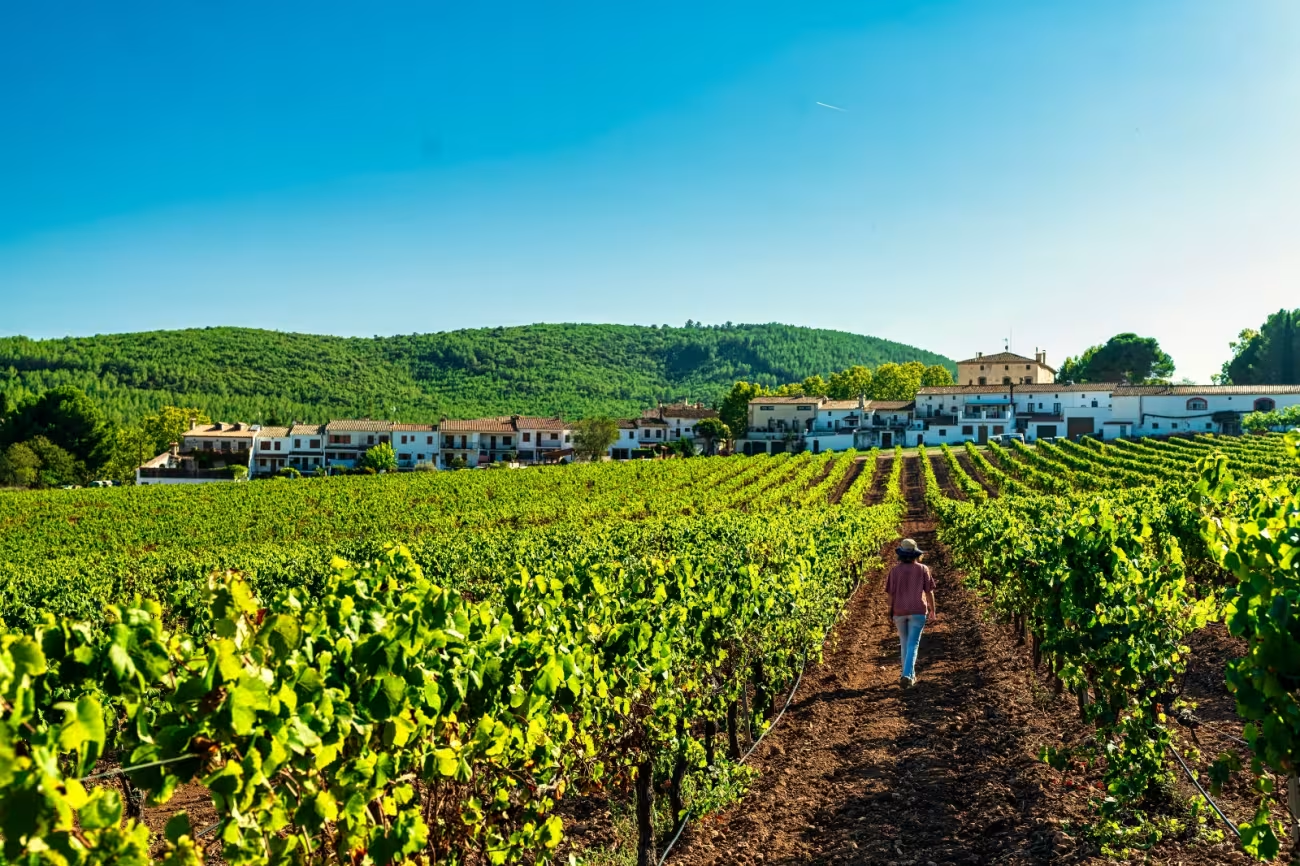
CULTURA DEL VI
La geografia del vi
Discover →
Sun and Sea
The coast at three paces
Discover →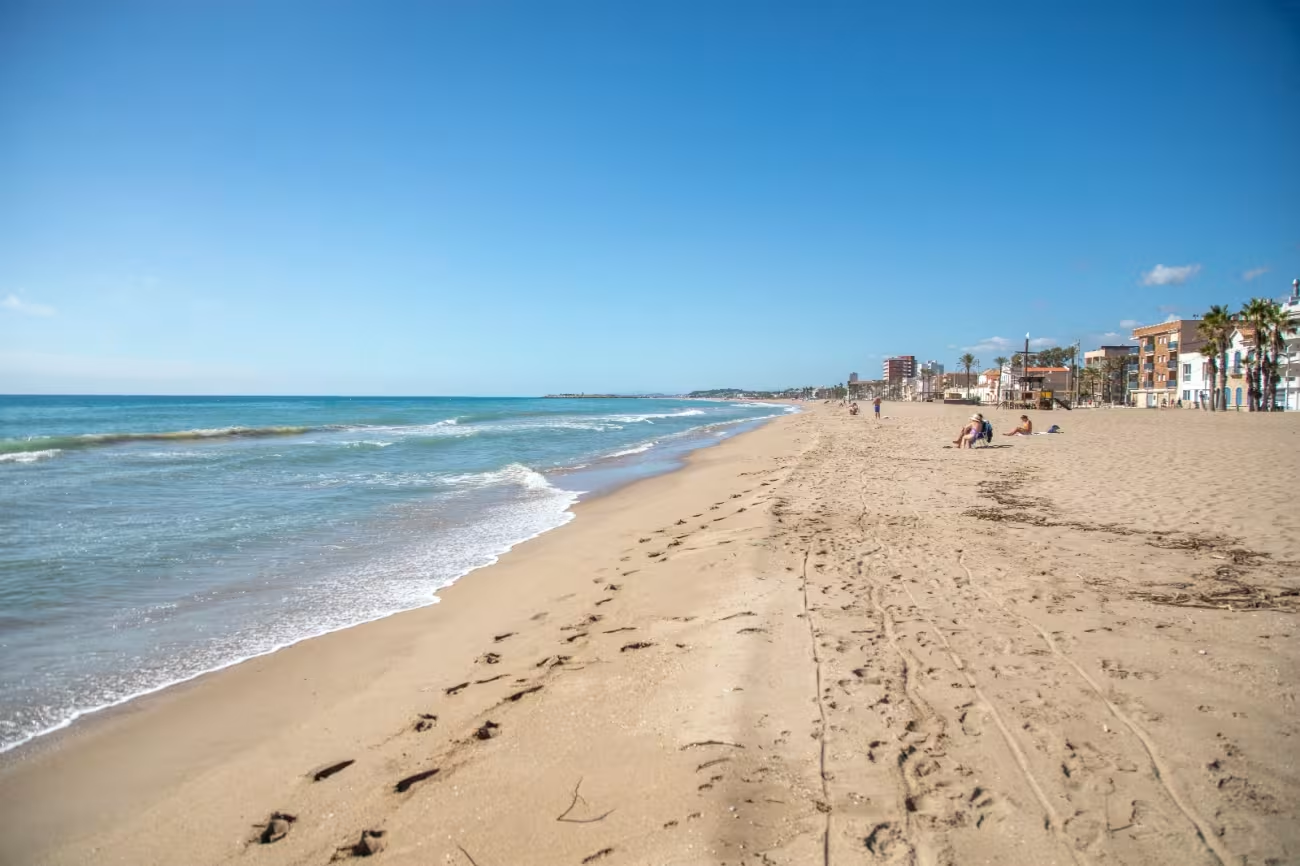
Culture
El Vendrell, music by the sea
Discover →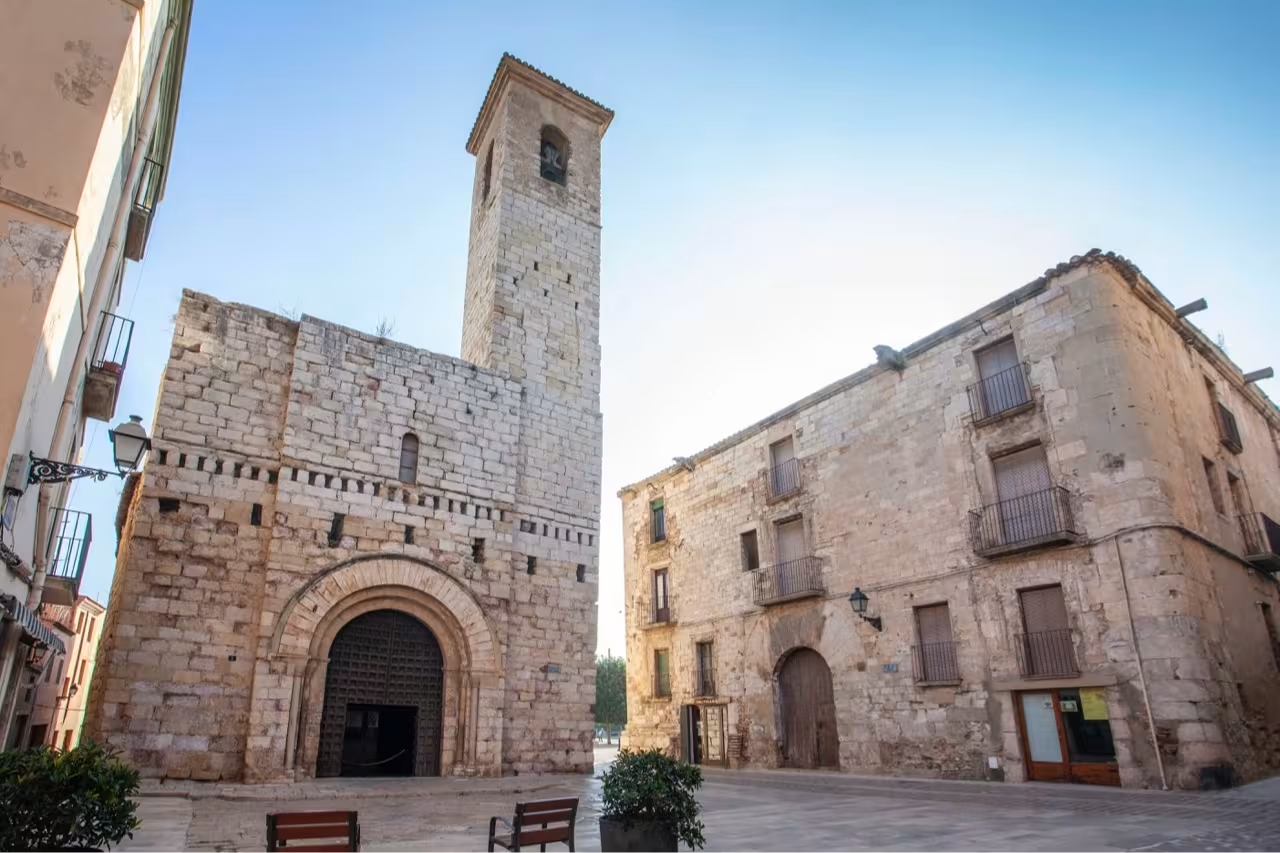
World Heritage Site
The Ruta del Cister: Between Stone and Landscape
Discover →
Culture
Paisatge dels Genis
Discover →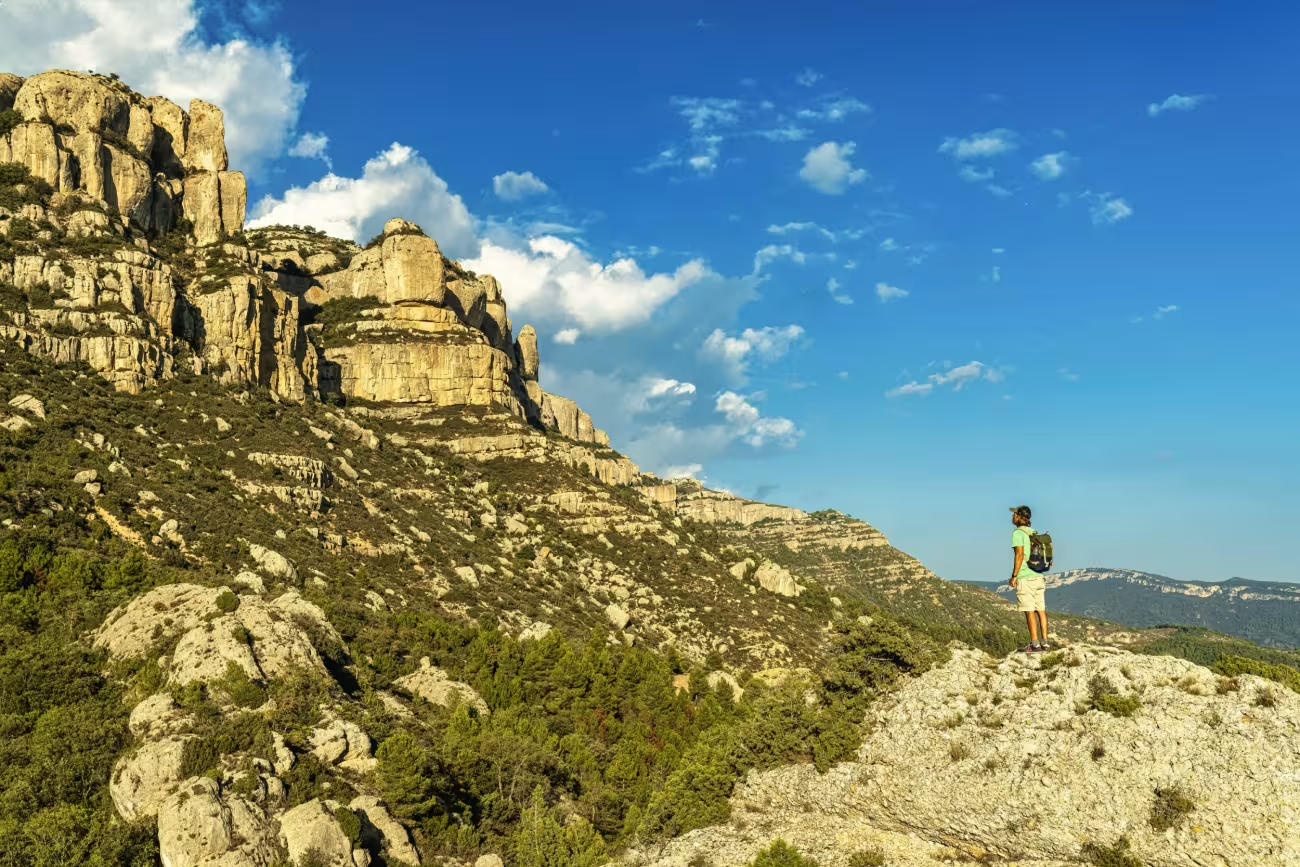
Nature and Spirituality
Montsant, the sacred mountain
Discover →
Leisure and Fun
PortAventura, adrenaline for the whole family
Discover →
Living tradition