
Romanity
Art & Culture
El que t'espera
Available activities
 World Heritage Site
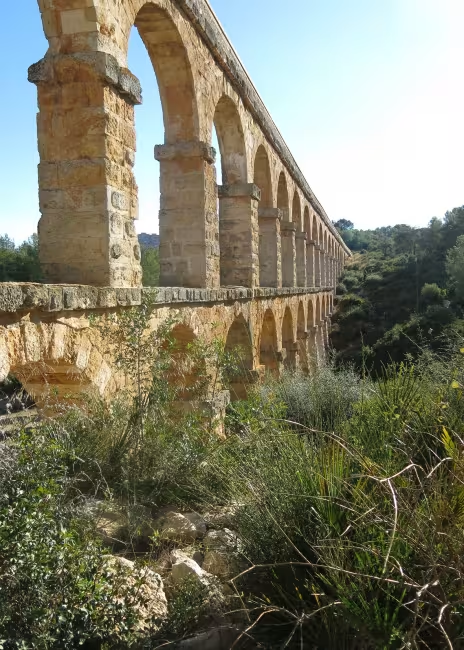
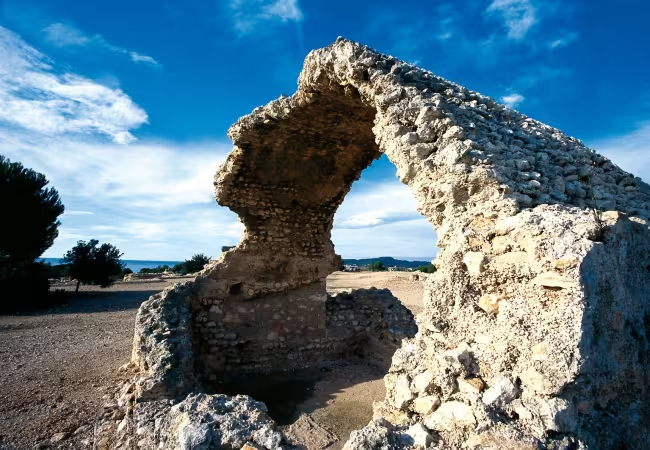
Les Ferreres Aqueduct
The Pont de les Ferreres is a section of one of the two water channels that carried water to the city of Tarraco in Roman times.
 World Heritage Site
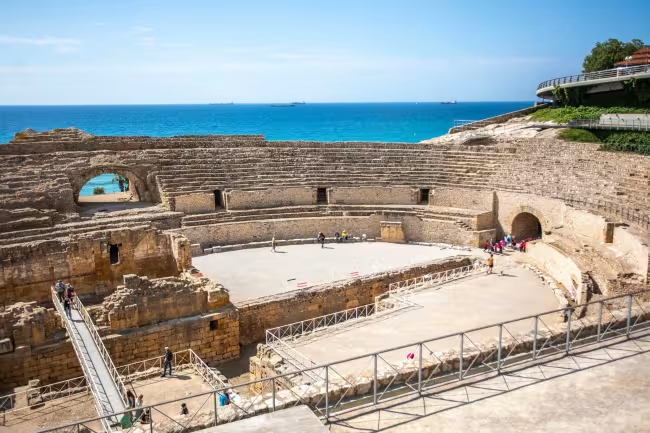
Roman Amphitheatre
An elliptical building constructed in the 2nd century AD, where gladiator fights and wild beast hunts were staged and where those condemned to death were executed.
 World Heritage Site
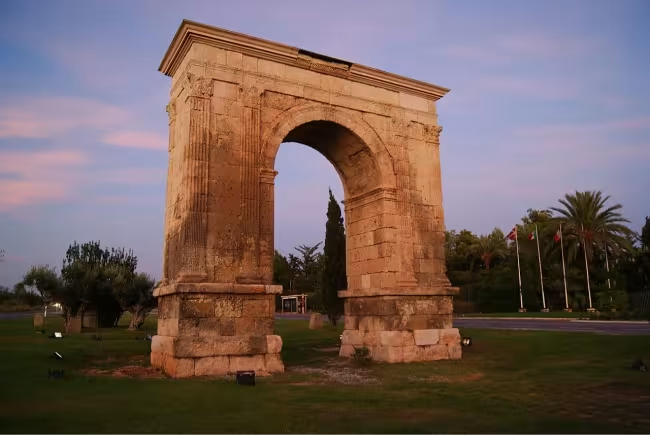
Roman Arch of Berà
An honorary arch of the 1st century BC, erected under the will of Lucius Licinius Sura and dedicated to Emperor Augustus. The appearance of the Arch today, however, has not always been the same, as…
 World Heritage Site
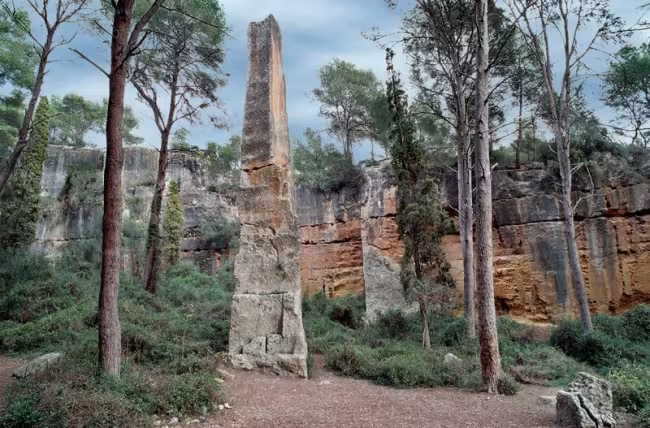
Mèdol Quarry
Thanks to its size, the Mèdol Quarry is the most important of the ten or so quarries around Tarraco, and an estimated 50,000 cubic metres of stone were extracted from it for the construction of…
 World Heritage Site
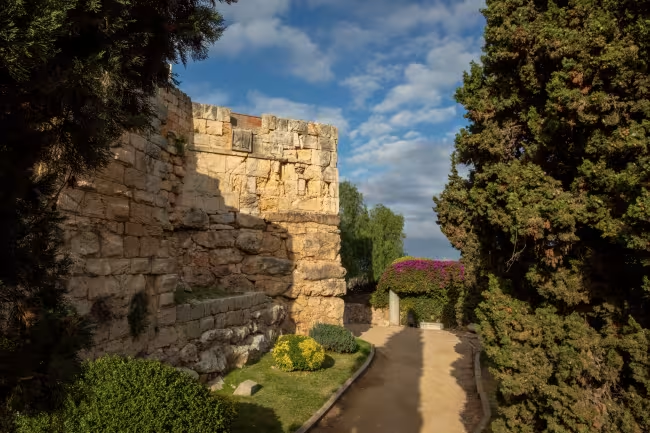
City Walls and Archaeological Walk
Originally made of wood, the stone wall was built in the 2nd century BC and was the first great architectural work of Tarraco. It is now the oldest Roman-built structure preserved outside Italy.
 World Heritage Site
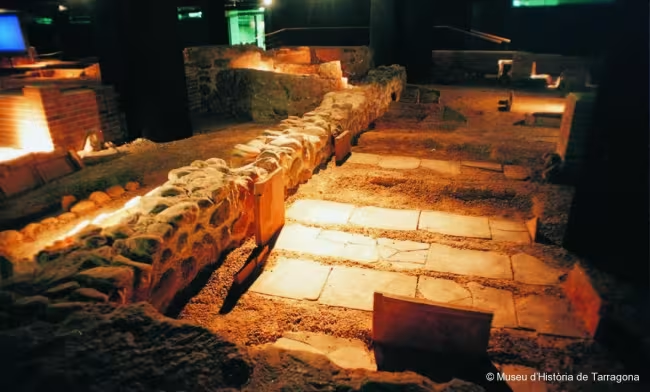
Francolí Early Christian Necropolis
Work on the construction of a new shopping centre revealed the remains of a 4th-century suburban villa and a 5th-century Christian basilica with more than 160 tombs. Archaeologists believe it was the…
 World Heritage Site
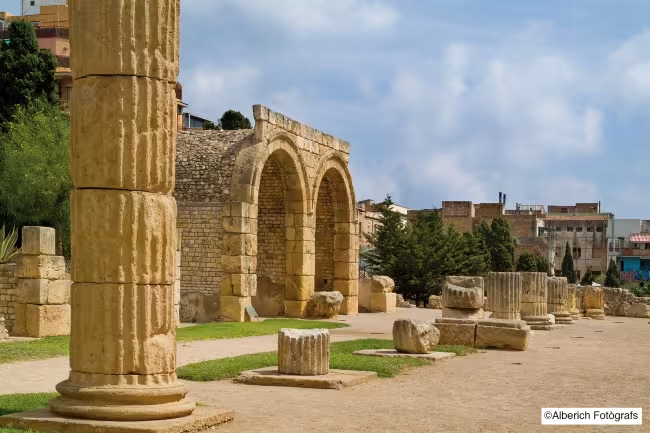
The Local Forum or Forum of the Colonia
The Local Forum or Forum of the Colonia was the religious and social centre of the city built around 30 BC. Only part of its basilica and the remains of some streets and houses have been preserved.…
 World Heritage Site
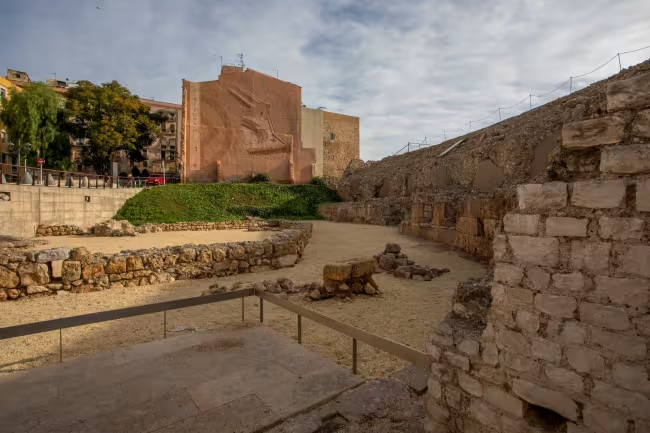
Provincial Forum and Roman Circus
The Roman Circus of Tarragona was built in the 1st century for chariot and horse racing and is estimated to have held some 30,000 spectators. It was built inside the city, between the Via Augusta and…
 World Heritage Site
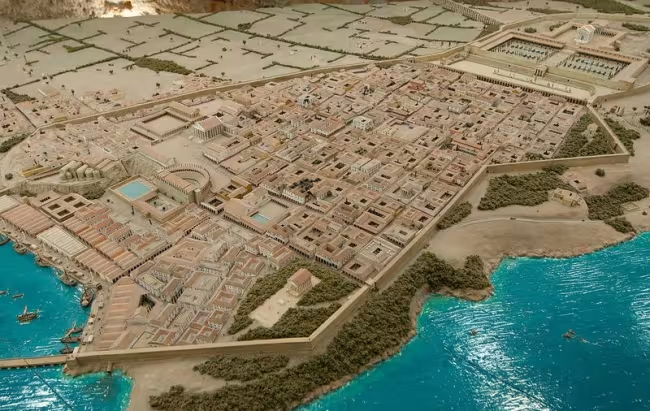
Scale Model of Tarraco
A magnificent scale model of Tarraco in the 2nd century BC, its period of maximum splendour. The model belongs to the Tarragona Museum of History.
 World Heritage Site
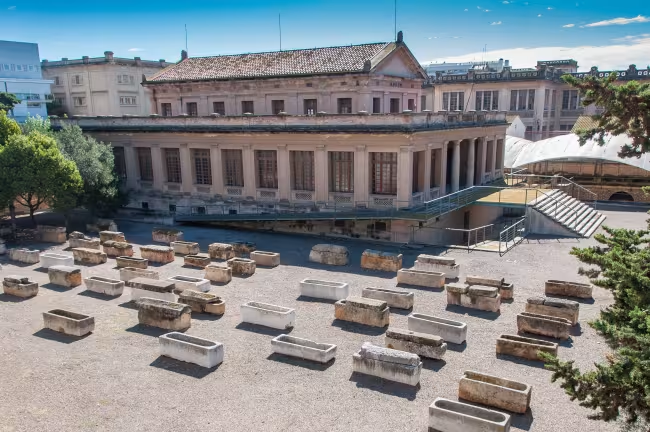
Paleochristian Museum and Necropolis
The Paleochristian Necropolis of Tarragona is a late Roman burial complex dating from the mid-3rd century AD, which remained in use until the 5th century and was discovered in 1923 during the…
 World Heritage Site
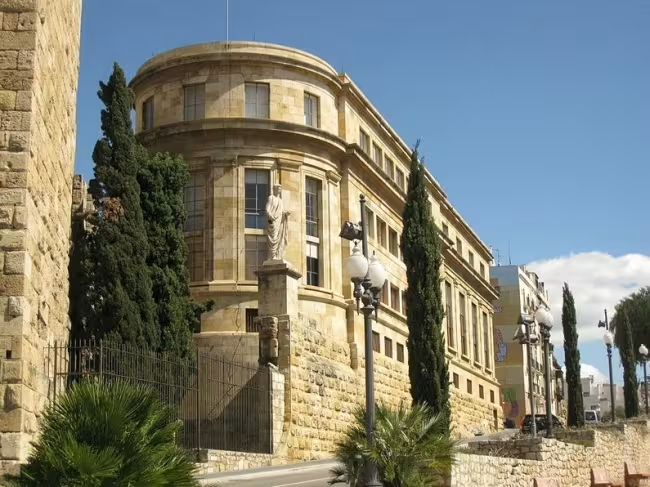
National Archaeological Museum of Tarragona
The Museum houses many of the Roman-era objects and furnishings recovered over the last 150 years as a result of the building of the modern port and the extraordinary urban growth of the city of…
 World Heritage Site
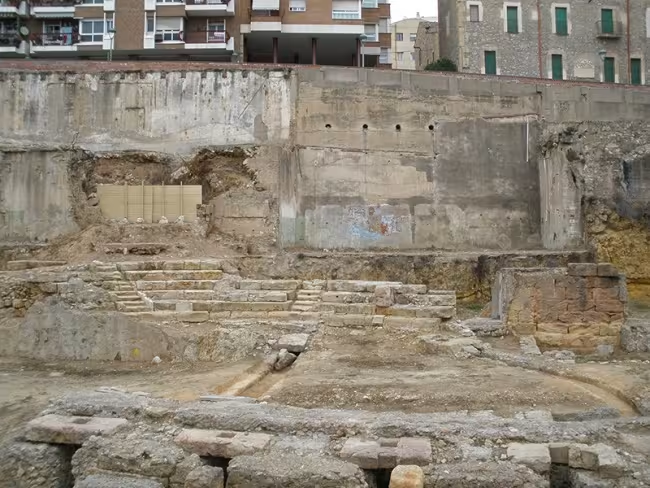
Roman Theatre
The Roman theatre of Tarraco was built in the time of Emperor Augustus, near the Forum of the Colony and the port area, making use of the slope of the land to house the seating.
 World Heritage Site
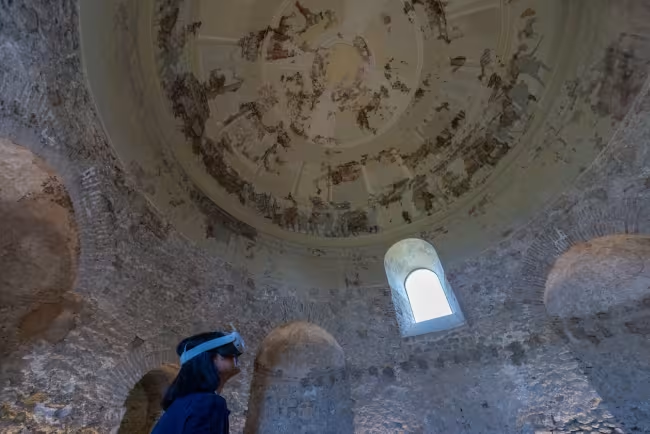
Roman Villa of Centcelles
This Roman villa, probably built in the 4th century, has become a key monument of Paleochristian art.
 World Heritage Site
Roman Villa of Els Munts
Around the great Roman city of Tarraco, numerous villas devoted to farming and leisure were gradually founded. One of them is the Villa of Els Munts, very close to Altafulla beach and built in the…
 World Heritage Site
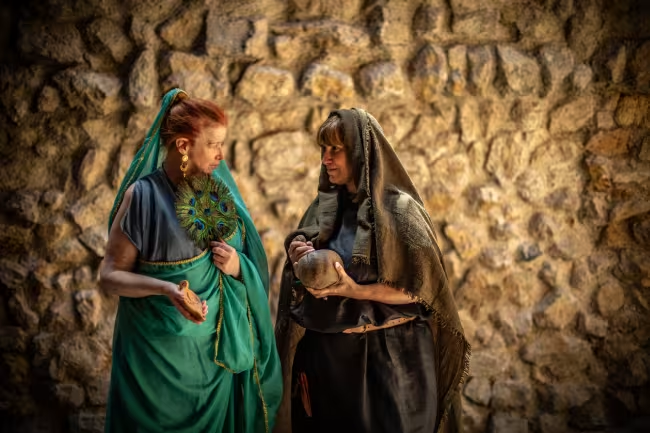
Tàrraco Viva
And if you like to feel like a true Roman, in late May there is a date with Tàrraco Viva, when this atmosphere comes back to life in every street and square of the city for a week, with numerous…
 World Heritage Site
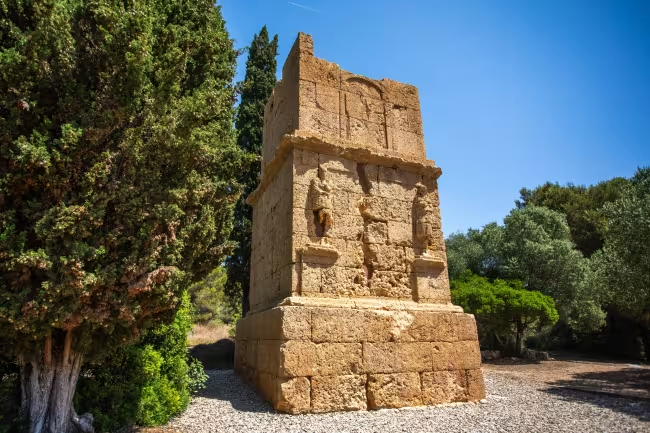
Tower of the Scipios
This Roman funerary monument was built in the first half of the 1st century AD beside the Via Augusta. The tower-shaped mausoleum has three stacked sections of decreasing perimeter and is thought to…